Artificial intelligence presents a massive opportunity to reshape our relationship with technology. I am working to harness model complexity into simple tools which free our uniquely human creativity.
The best writers use language in a way which draws from within us deep responses, emotional and ineffable. While LLMs have access to this writing, they can’t understand the embodied, internal reactions of which language is only a shadow. It is in this wide range of subjective preference, instinct, and subtle value that LLMs falter, and will continue to falter. Understanding these qualities faces a gap that language probably can’t cross on its own (see: The Kekulé Problem).
If language models are fundamentally inhuman, how do we best use their intelligence? This boils down to the purpose of language: to organize our thoughts and communicate them to others. An LLM is an organization and compression of all of the recorded thoughts of every human, then measured against benchmarks to improve specific, verifiable qualities. It is superhuman in its vast intake of information, but aimless without clearly defined goals. Prompting is easy to rush, but it needs an imprint of the uniquely human judgment which LLMs lack on their own (see: Agentic LLM Personas). Without specific, continuous feedback, an output quickly becomes trapped in its own linguistic labyrinth.
That remarkable ability to generate complexity is both the superpower and the Achilles heel of LLMs. The task of AI engineering is finding a specific balance point: one that frees the person to make subjective decisions and articulate their vision, while harnessing the inhuman intelligence of LLMs to speed through verifiable tasks, ensure coordination, and fetch organized, relevant information for the next decision.
There exists a wide range of fields that up until now have required human intelligence, but can now be done better with the help of AI models. Beyond that, the current technology landscape spends our time for nothing. The coming years will require an intensive engineering effort: precise control over the context given to the LLM, at all times, for the specifics relevant to each task and field. As model capabilities continue to improve, I predict that the best definitions of this symbiotic relationship will have a significant edge. The goal, as always with computing, should be human-scale simplicity.
Reading
Backpacking
Bass
Rugby
Resume
I build simple tools at human scale from agentic AI.
Distilled ~250,000 raw captures from Prism’s machine learning pipeline into a dataset of weight transformations, the foundation of a feature that visually predicts weight loss. Reverse-engineered the pipeline’s interleaving models end to end, documenting how a phone video becomes an accurate 3D body with DEXA-grade body fat percentage. Redesigned the customer-facing iOS and Android SDKs into one coherent API, reconciling divergences in naming, types, and data models, and shipped to production.
PlanetBravo— Lead Java Instructor
June 2022 – August 2022
Taught foundational principles of computer science and a growth mindset to middle school students as sole instructor of the camp’s most advanced course, shaping its project based curriculum around each student’s interests.
DirectDefense— Software Testing Intern
June 2021 – September 2021
Wrote the Cypress unit and end-to-end testing that guarded ThreatAdvisor, a continuous security monitoring platform, through the migration of its React frontend to production. Shipped a React interface for exploring discovered vulnerabilities across multiple views.
Ad Hoc Labs— Software Development Intern
June 2020 – September 2020
Launched an employee recognition system inside the team’s Slack using Javascript, Node.js, Express, and PostgreSql to form a REST API, helping to foster a happier work environment.
Education
University of California: Santa Cruz (UCSC)— Masters Graduate
September 2021 – June 2026
Master and Bachelor of Science in Computer Science, Philosophy Minor, Summa Cum Laude Worked with GenAI Center, AIEA Lab, and College Scholars Program
Leadership
UCSC Men’s Rugby Club— President
April 2023 – June 2025
Managing a $50,000 annual budget and an 800+ member alumni network, I fostered a collaborative environment and learned to be a mentor in the top division of collegiate rugby.
Projects
Seekr
September – December 2024; June 2026 – Present
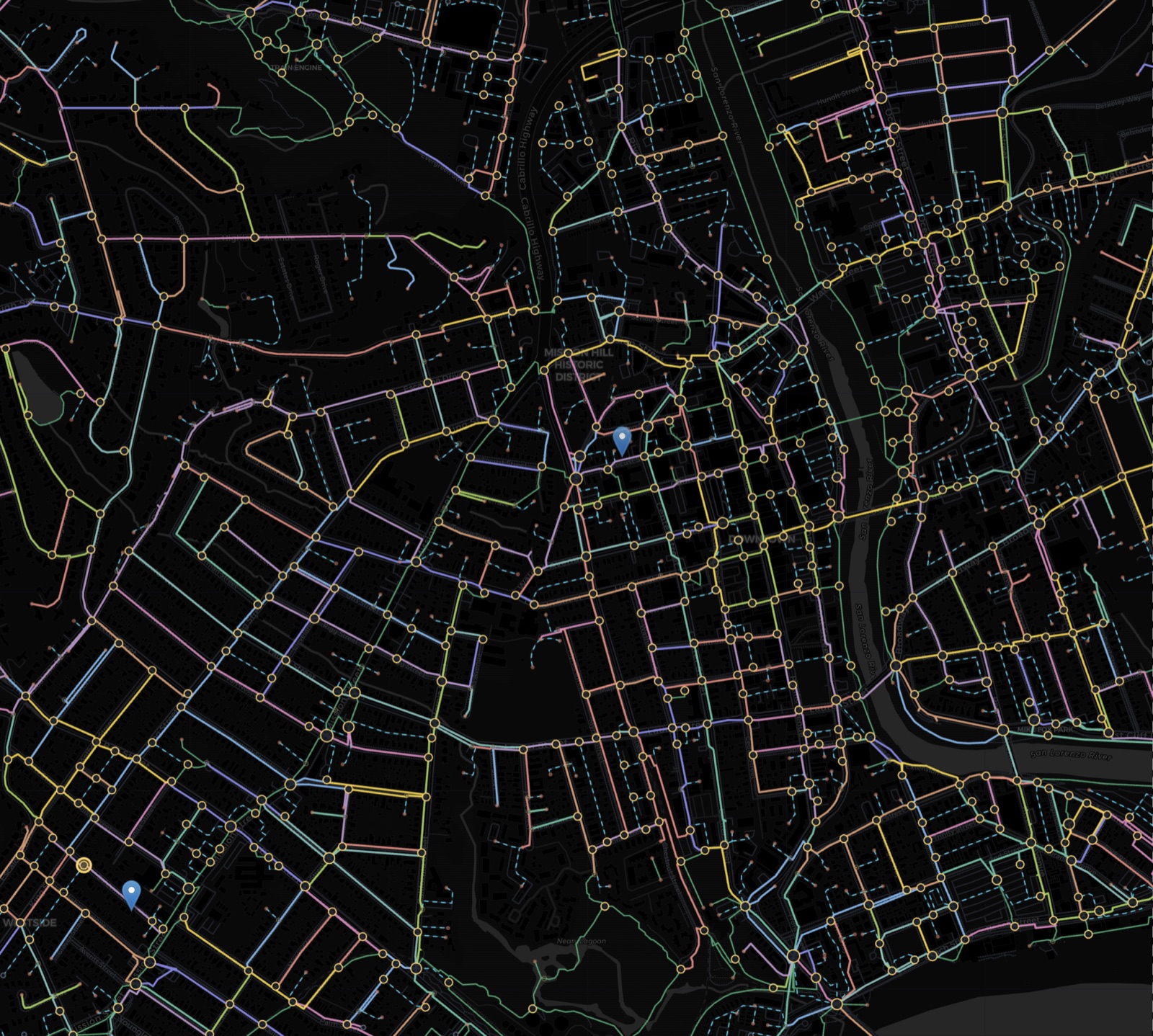
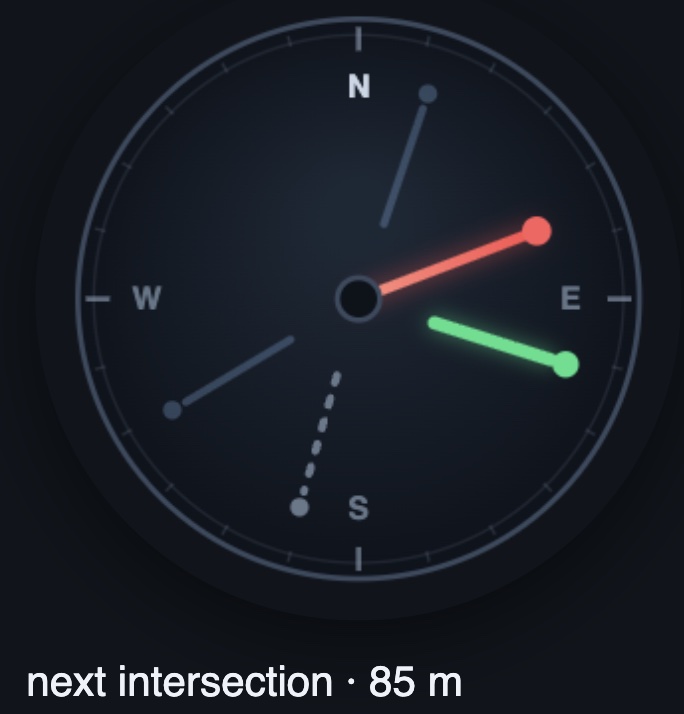
Creator of a navigation app which replaces turn-by-turn directions with compass bearings, self-populating checkpoints, and personalized landmarks, so you can find your own way. Compiled OpenStreetMap’s raw nodes into a bespoke graph of intersection decision points, then simulated walkers by bearing to place checkpoints at necessary detours.
Agentic LLM Persona
2025 – Present
Designed an agentic persona system that simulates the unconscious processes beneath behavior, probing the limits of emotion and preference simulation. Began as first-authored research with the UCSC GenAI Center: a persona-conditioned evaluation framework for AI agents on τ²-bench.
Miso
March 2026 – July 2026
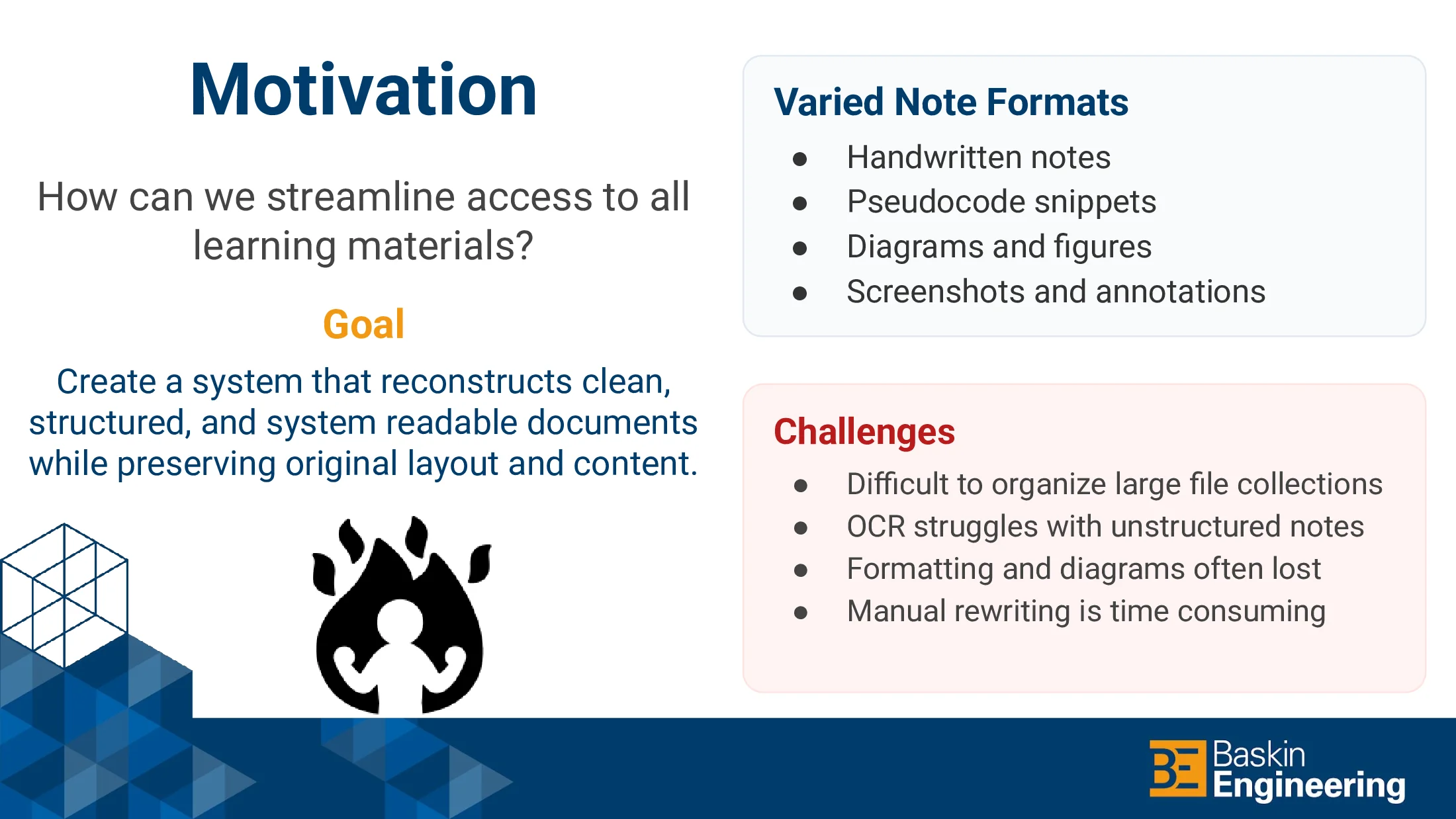
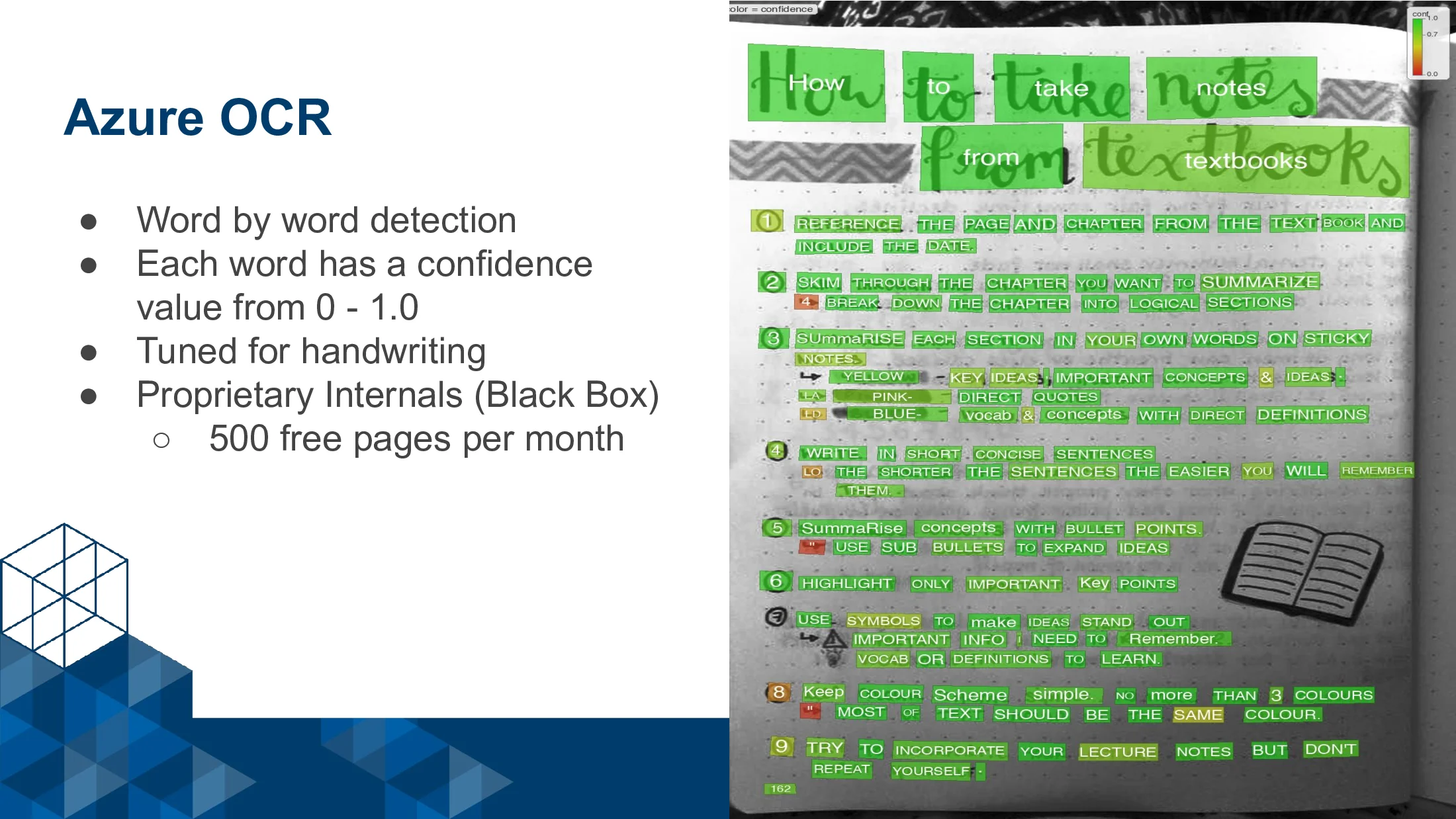
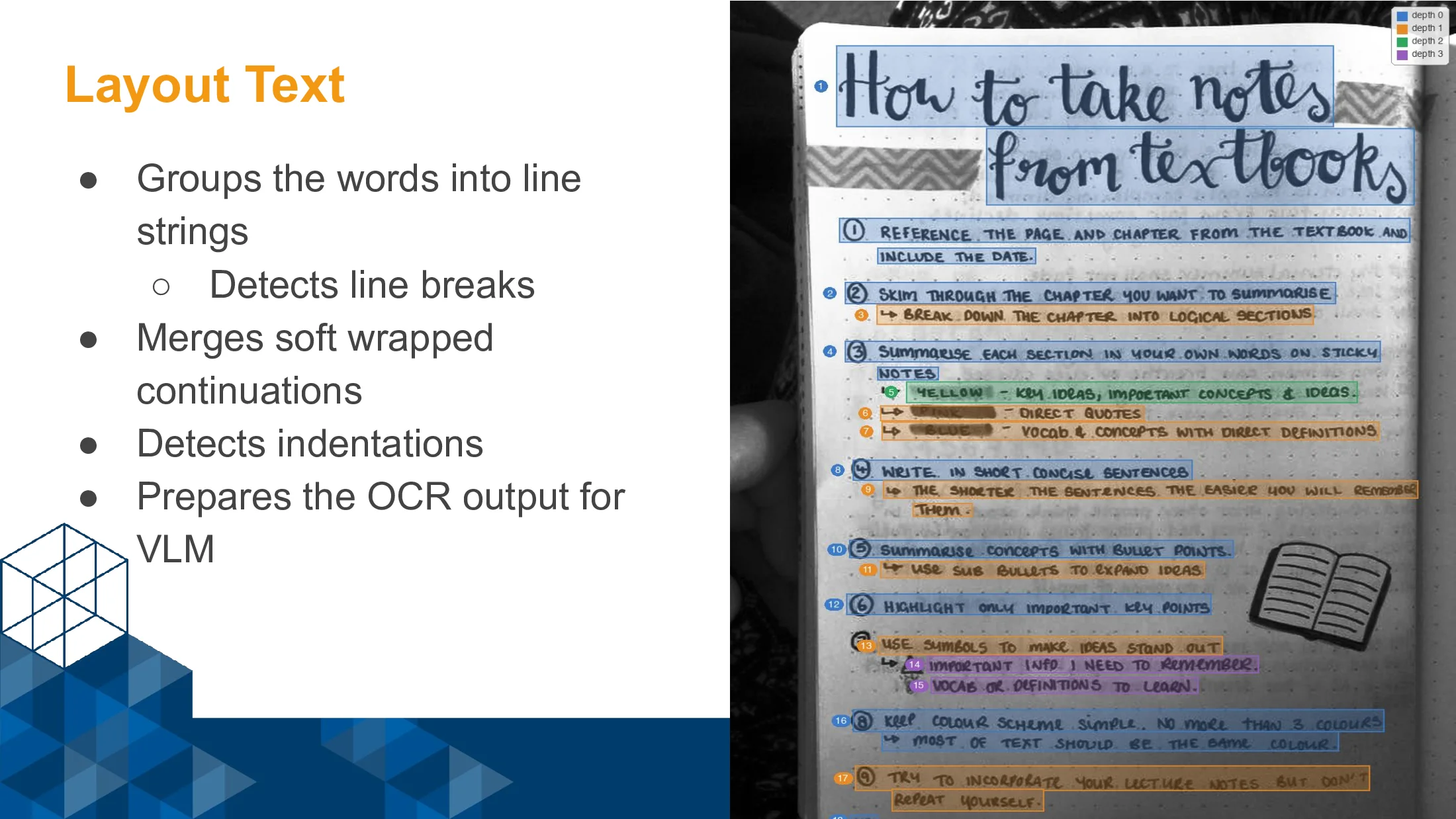
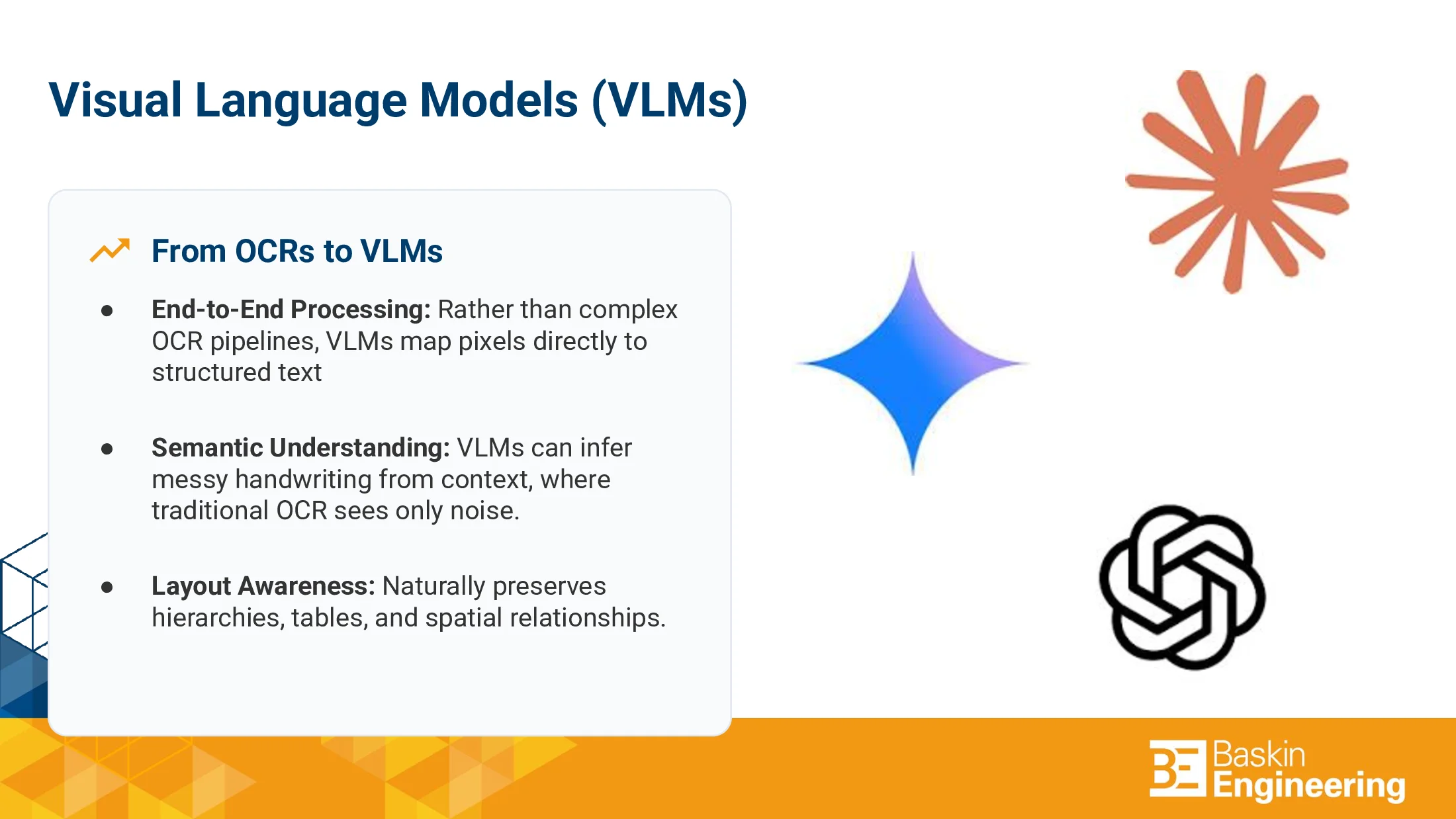
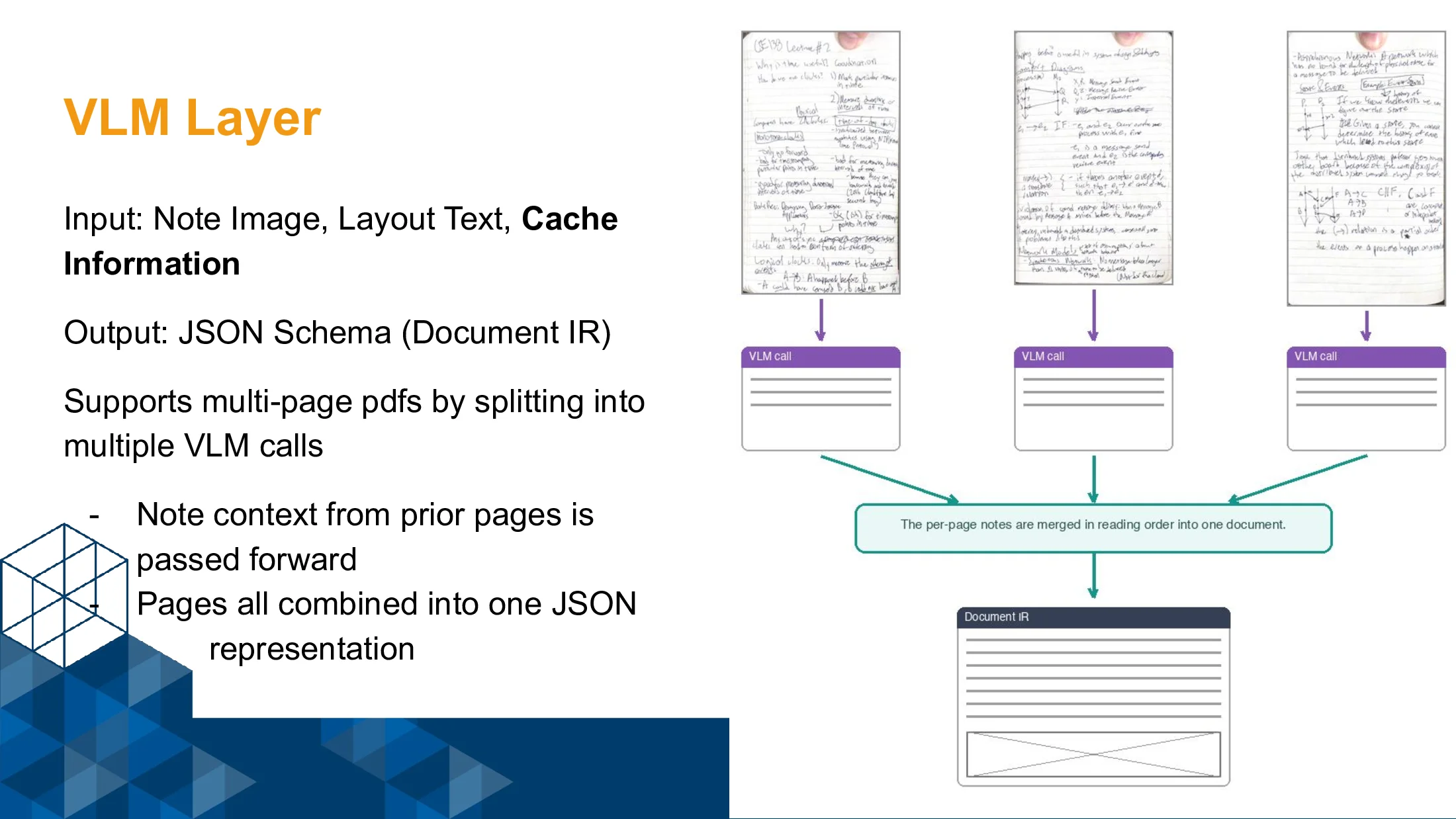
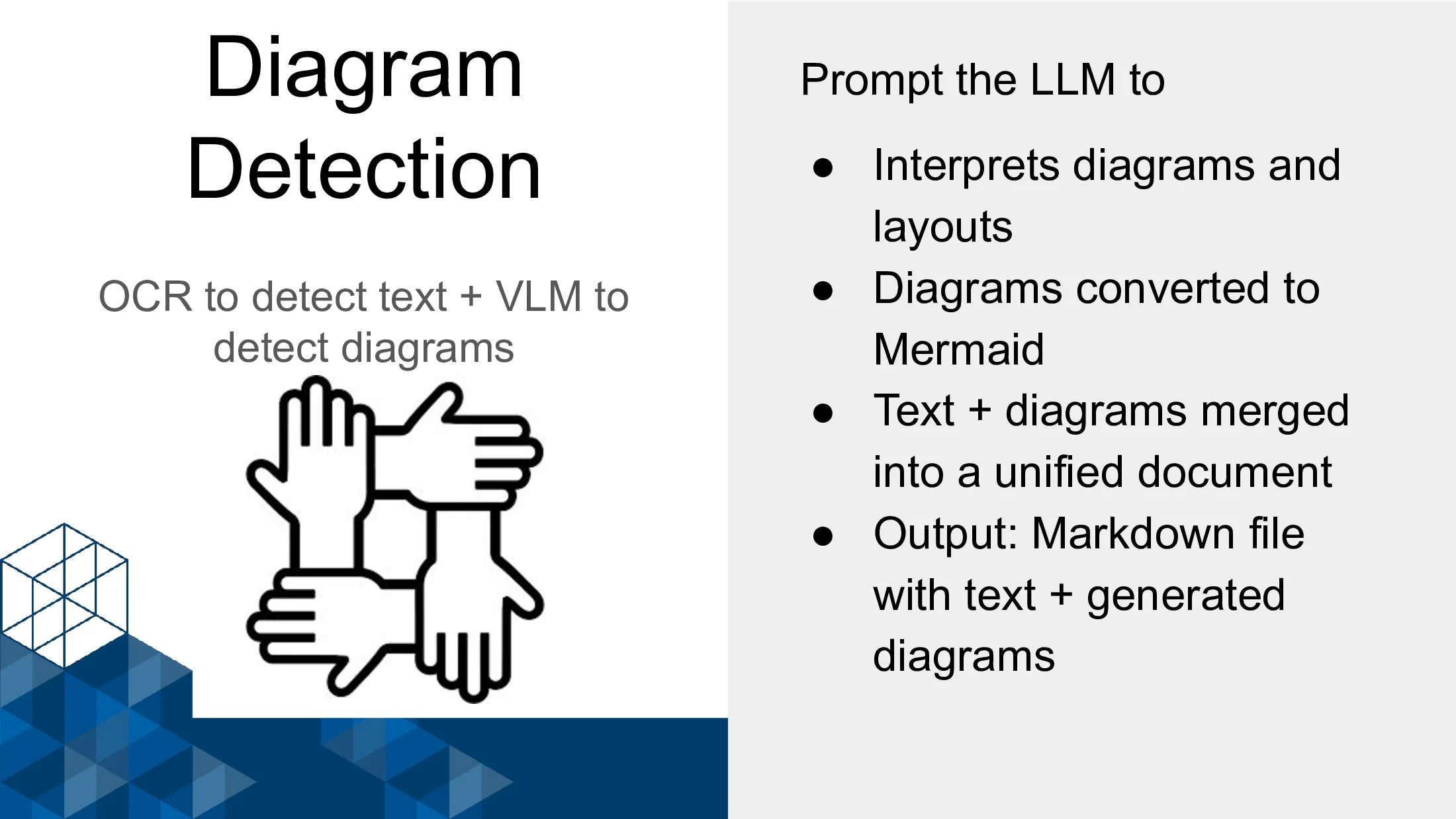
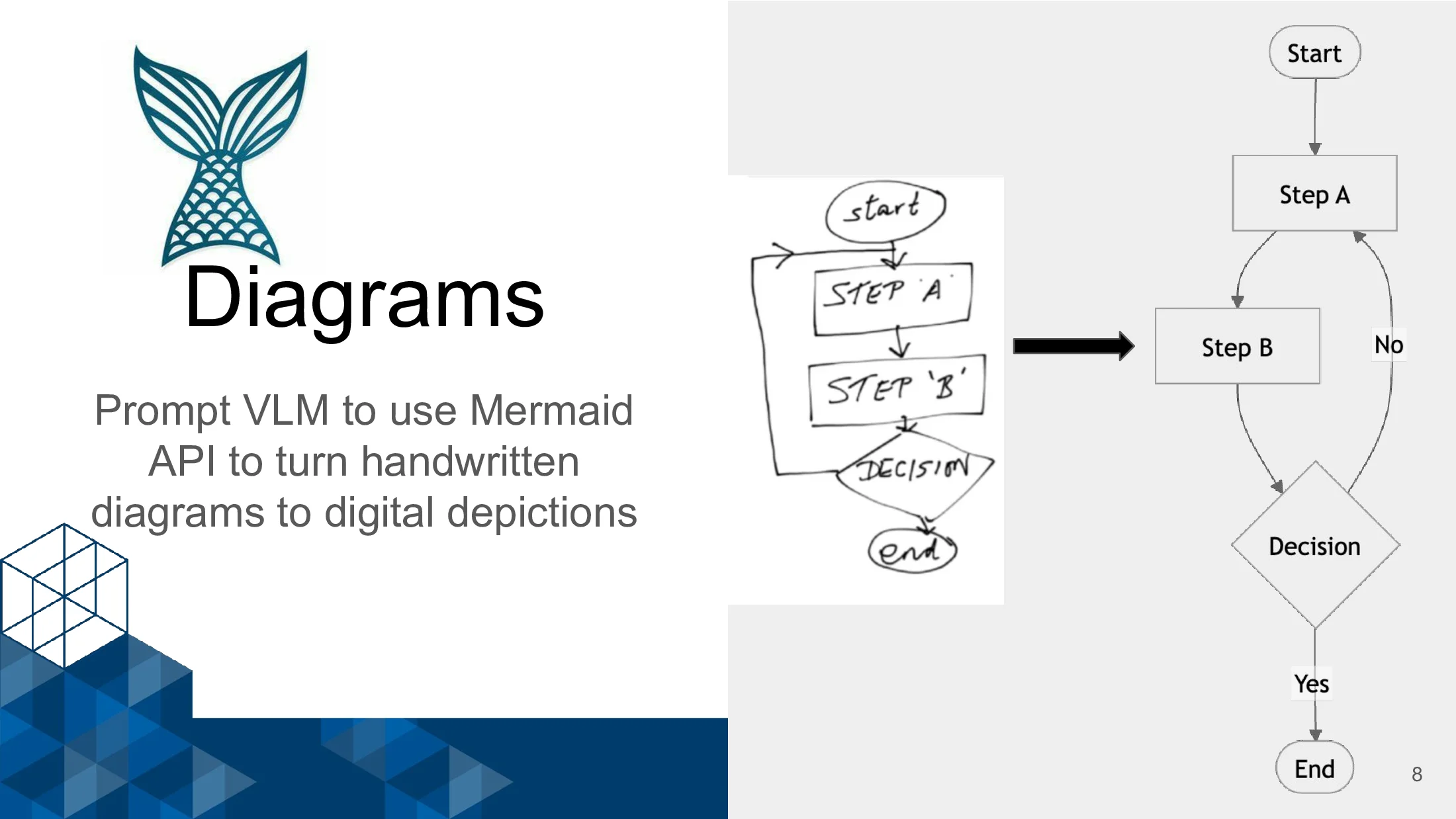
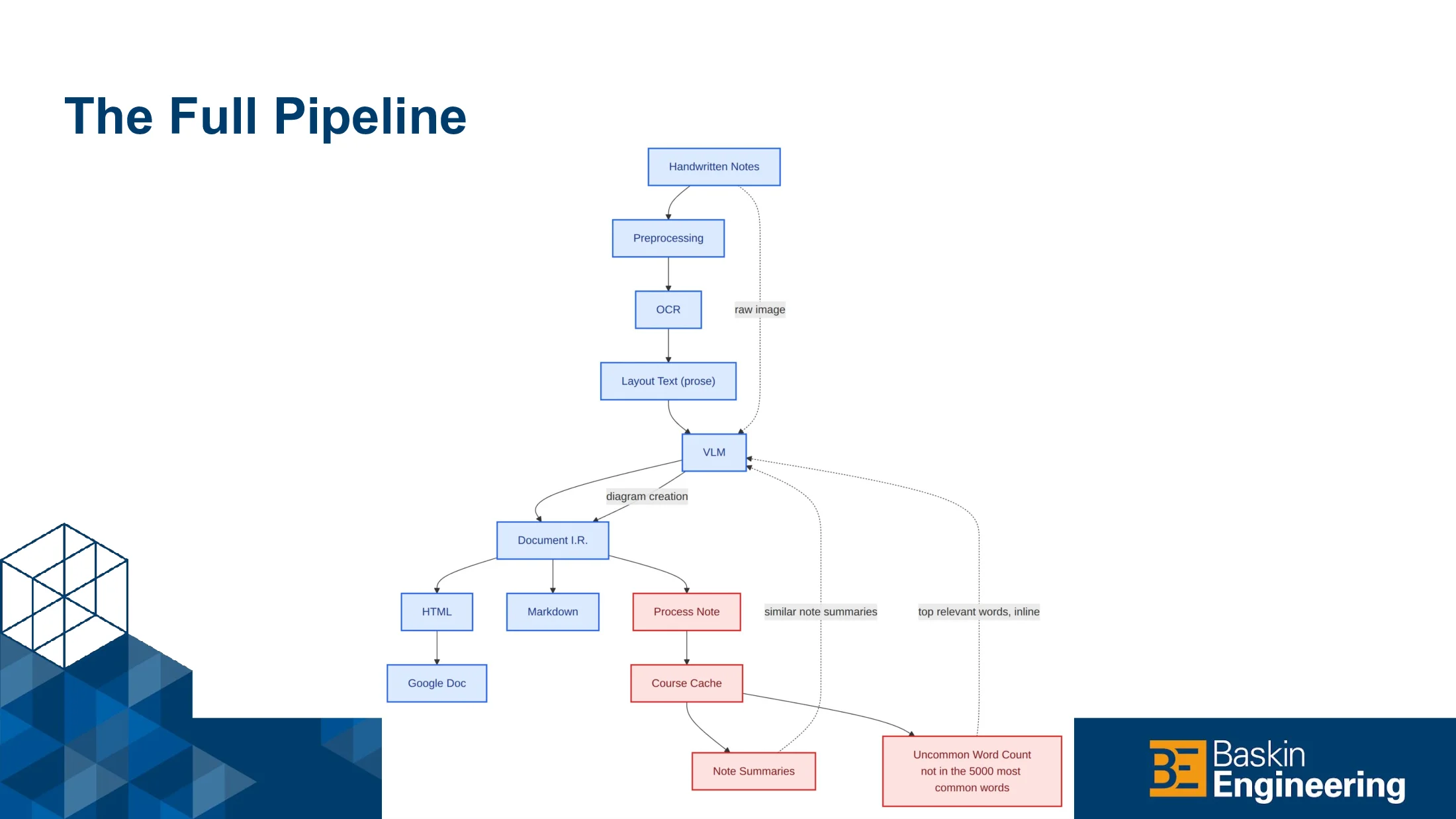
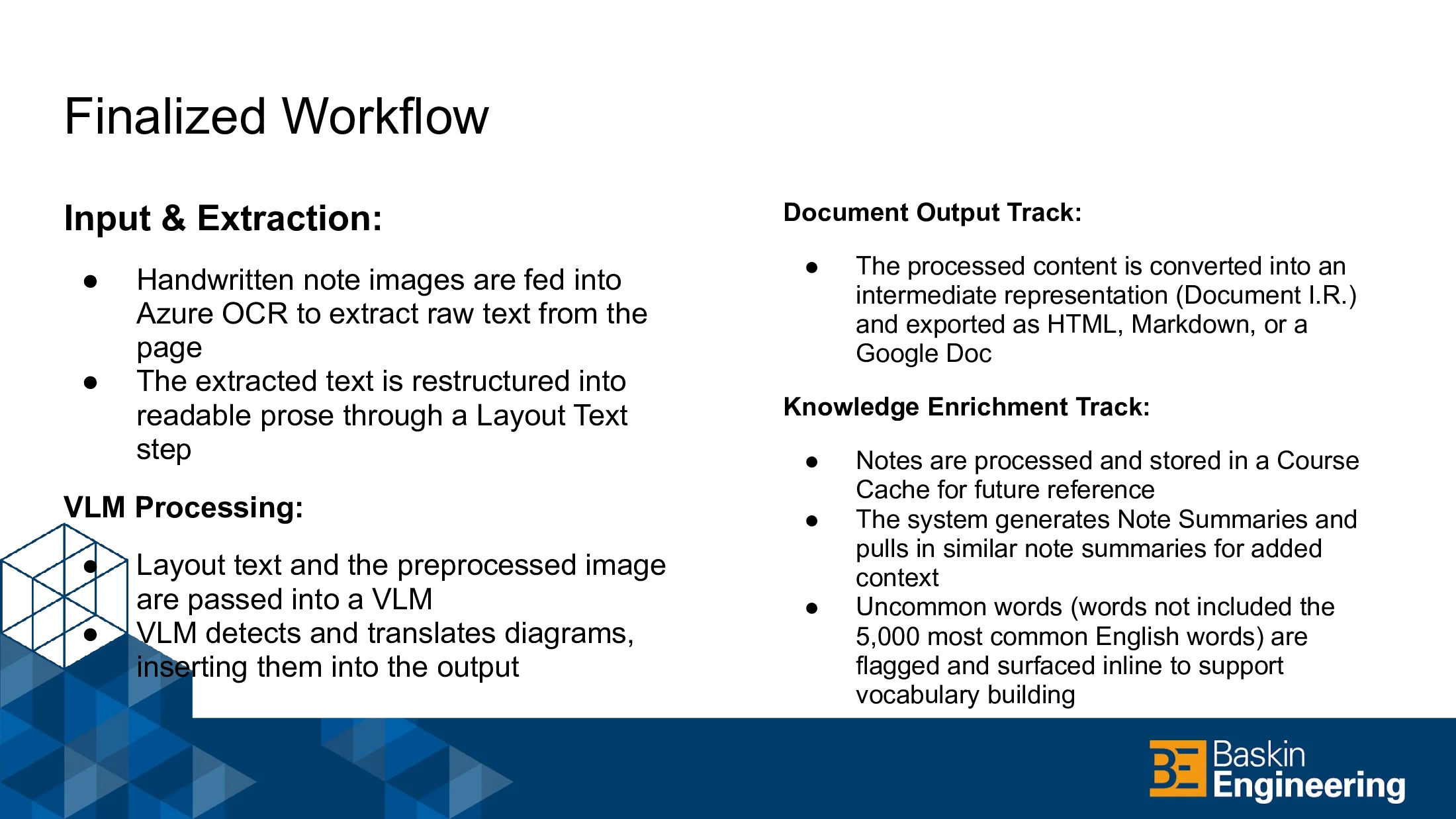
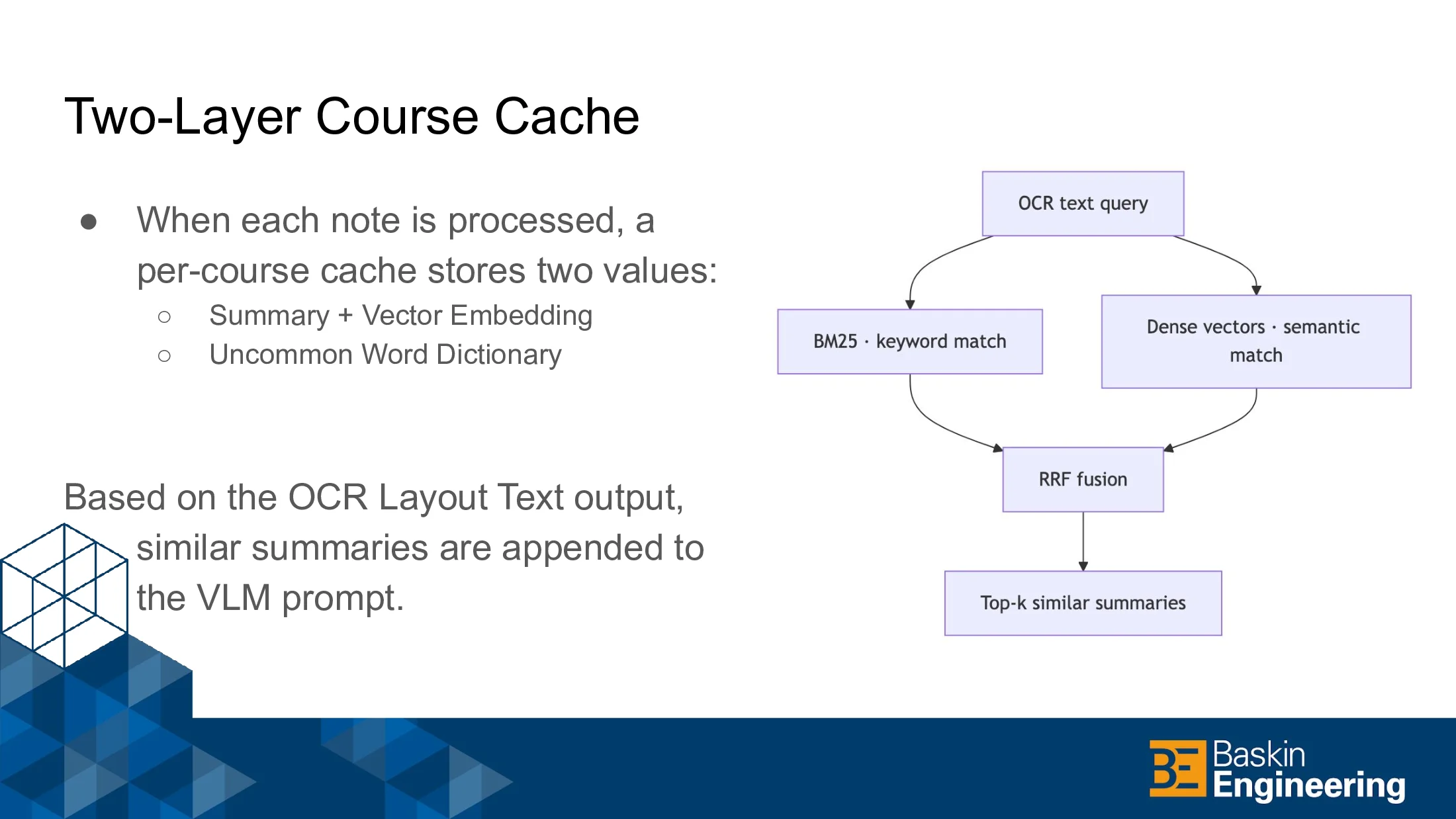
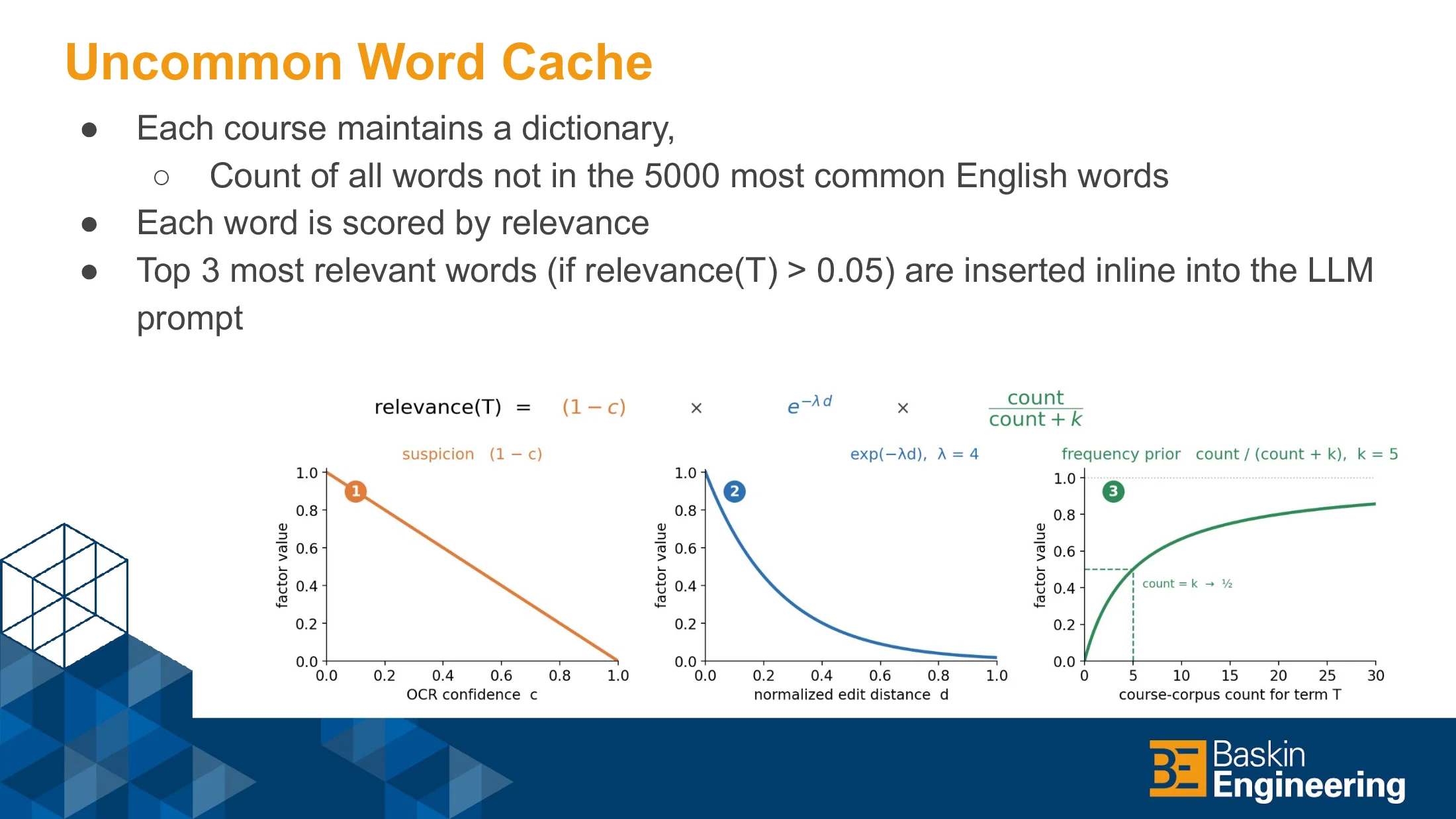
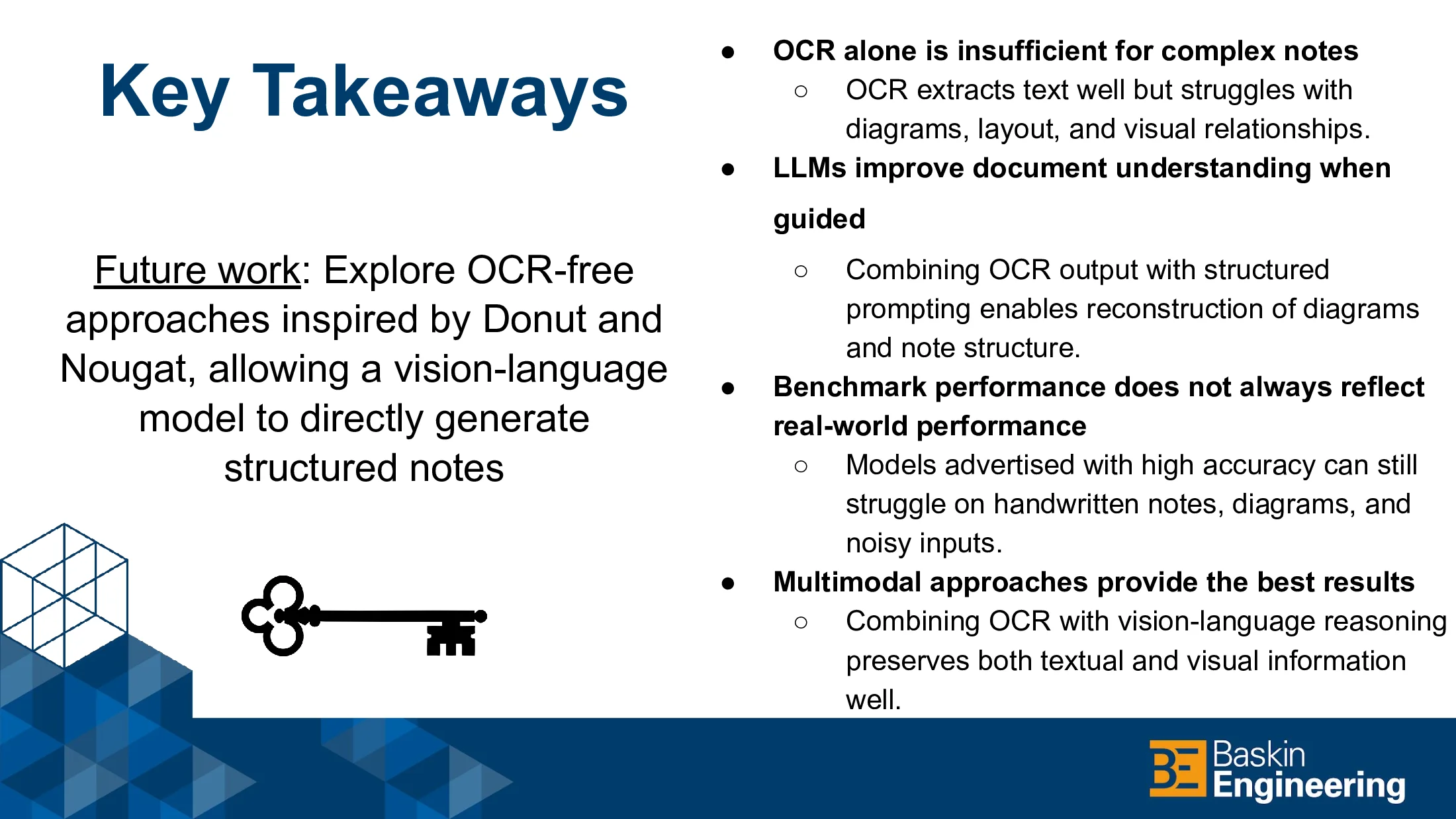
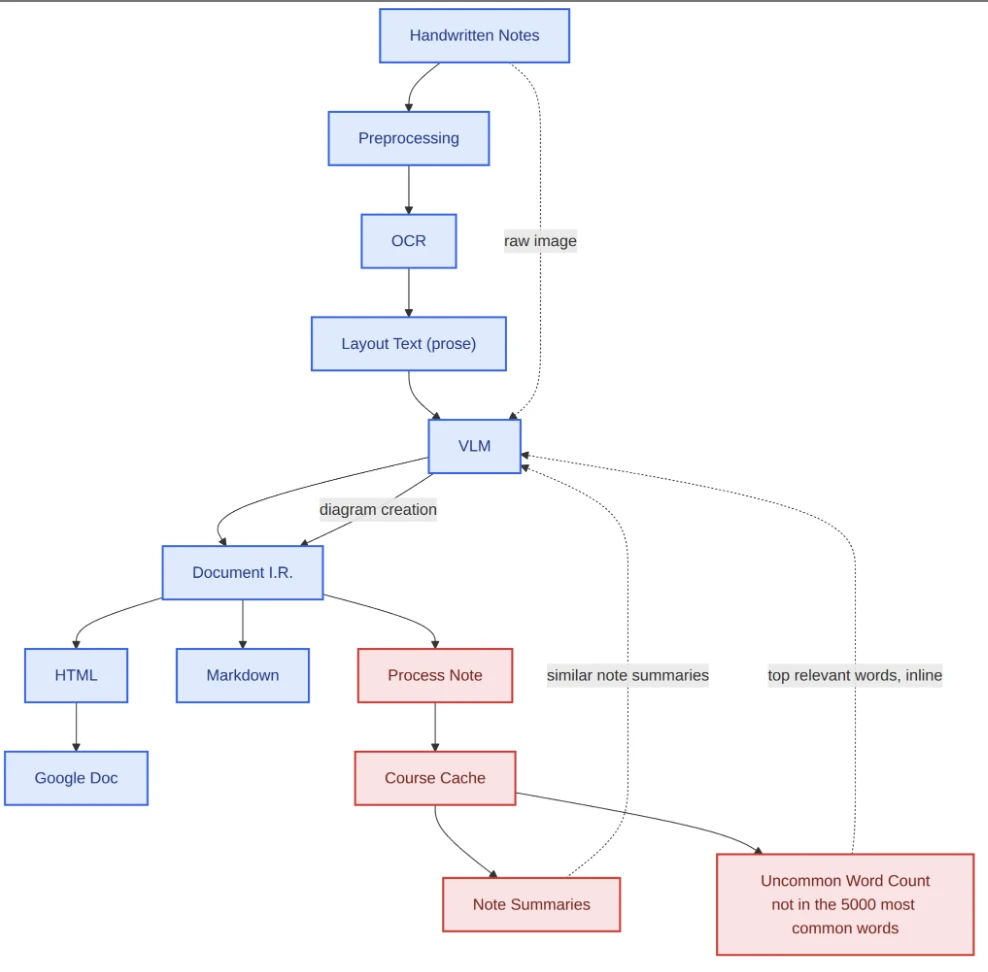
Engineered and analyzed a full pipeline which combines VLM and OCR capabilities, using context from previous ingests to seamlessly digitize handwritten notes and diagrams. Adapted the pipeline to read ballot petition sheets and verify against voting records.
Skills
Agentic AI and context engineering
UX-focused development
Algorithm Analysis & Technical Writing
LLM evals and automated testing
PyTorch, agent SDKs, Pydantic, OpenClaw, and SQL
Experience with Python, C, C++, Go, Swift, and JavaScript
Years of Linux and cmd line experience
Relevant Coursework
CSE102, 103, 105, 108, 201, 269Algorithm Analysis, Spectral Theory
CSE130, 138, 220, 231System Design, Distributed Systems, Operating Systems
CSE144, 247Deep Learning, Agentic AI
CSE150, 257Computer Networking, MANETs
CSE115Software Development, Agile
Awards
UC Regents Scholar – Class of 2025 (1 of 50 recipients)
UCSC Dean’s List (GPA: 3.97)
UCSC Rugby Back of the Year, 2025
California Grizzly All-State Rugby Select
California All-State Symphony Orchestra, Double Bass: 3rd/5th chair, 2021/2020
Agentic AI
System Design
User Experience
Seekr
Find your own way.
A peek into the navigational backend of Seekr
Turn by turn navigation gets us to where we want to go, in the fastest way possible. Its use is ubiquitous, but it can be overly prescriptive and heavy-handed. We lose the joy of wayfinding with our innate sense of direction, the discovery of exploration. Especially while walking, constantly having to check and follow a specific set of directions, watching an ETA slowly tick down, breaks our immersion into the space and time of our surroundings.
Seekr is designed to be a simple tool which works in harmony with our natural navigational instincts. It frees you to find your own way, whatever your destination. The goal of the app is to only give you just enough to make an informed decision, with more information easily accessible only if you need it.
One of the primary use cases for this app will be exploring a place you don’t know, on foot. Interesting landmarks along your route will be seamlessly integrated into your journey, based on your unique interests. Documenting the path you choose, and what you find along it, will be a key part of Seekr.
An early prototype of the primary compass view
2026 · in development
Agentic LLM Persona
An agentic persona system reflecting the multiplicitous nature of the subconscious mind, probing the limits of emotion and preference simulation.
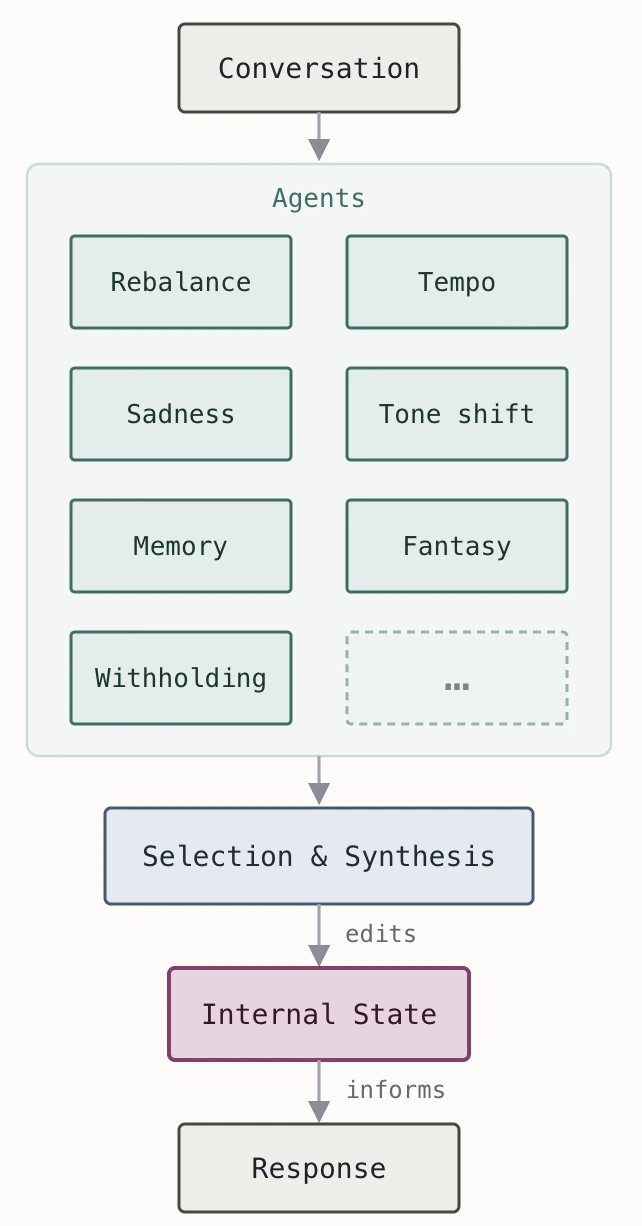
Persona Pipeline Flowchart
The first thing I worked on in grad school was trying to simulate a human in the loop in an agentic AI system with an LLM. That initial work is documented in this presentation.
What I realized is that the real value in what we were trying to build was a simulated persona, which I hoped could provide the specific values and preferences that a human in the loop provided. I tried to extract user shopping preferences from a massive dataset of amazon reviews, but what I found was that no matter what I tried, an LLM couldn’t understand the deeper values and preferences which might cause someone to choose a specific item. I realized that unlocking this capability would require simulating the unconscious processes which lead to our human preferences and values.
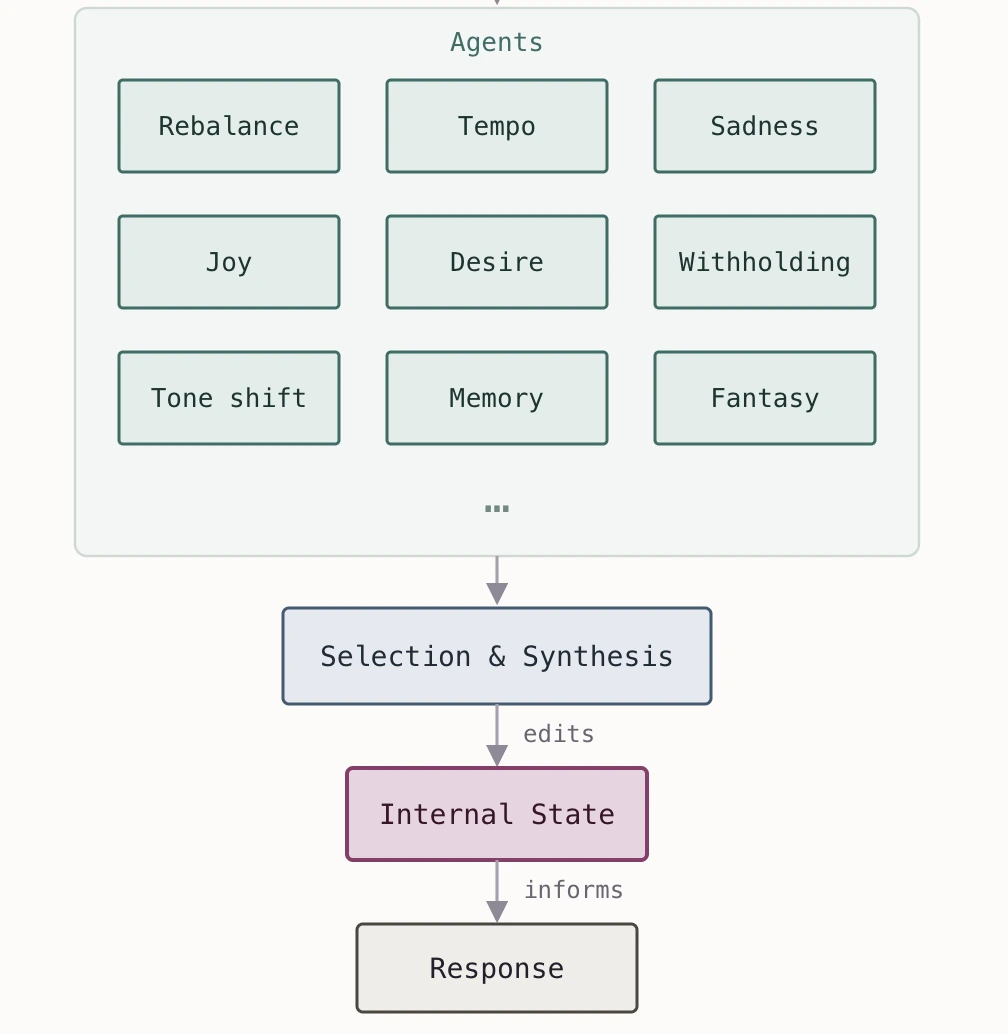
The main idea is to have an internal state represented by a couple hundred words. Each conversation turn, unconscious agents fire, each representing a different aspect of our internal processing. Then, machines and combinations of machines edit the text of the internal state, based on the processing they did in a specific direction based on the scenario. Based on the edits to the internal state, the LLM can bring more nuance to conversations.
I am still working on a lot of the finer details, including memory, encoding preference, and updating the unconscious agents based on conversation outcome. Still, I think there is a lot of potential in this modifiable internal state framework.
2025 · iterating
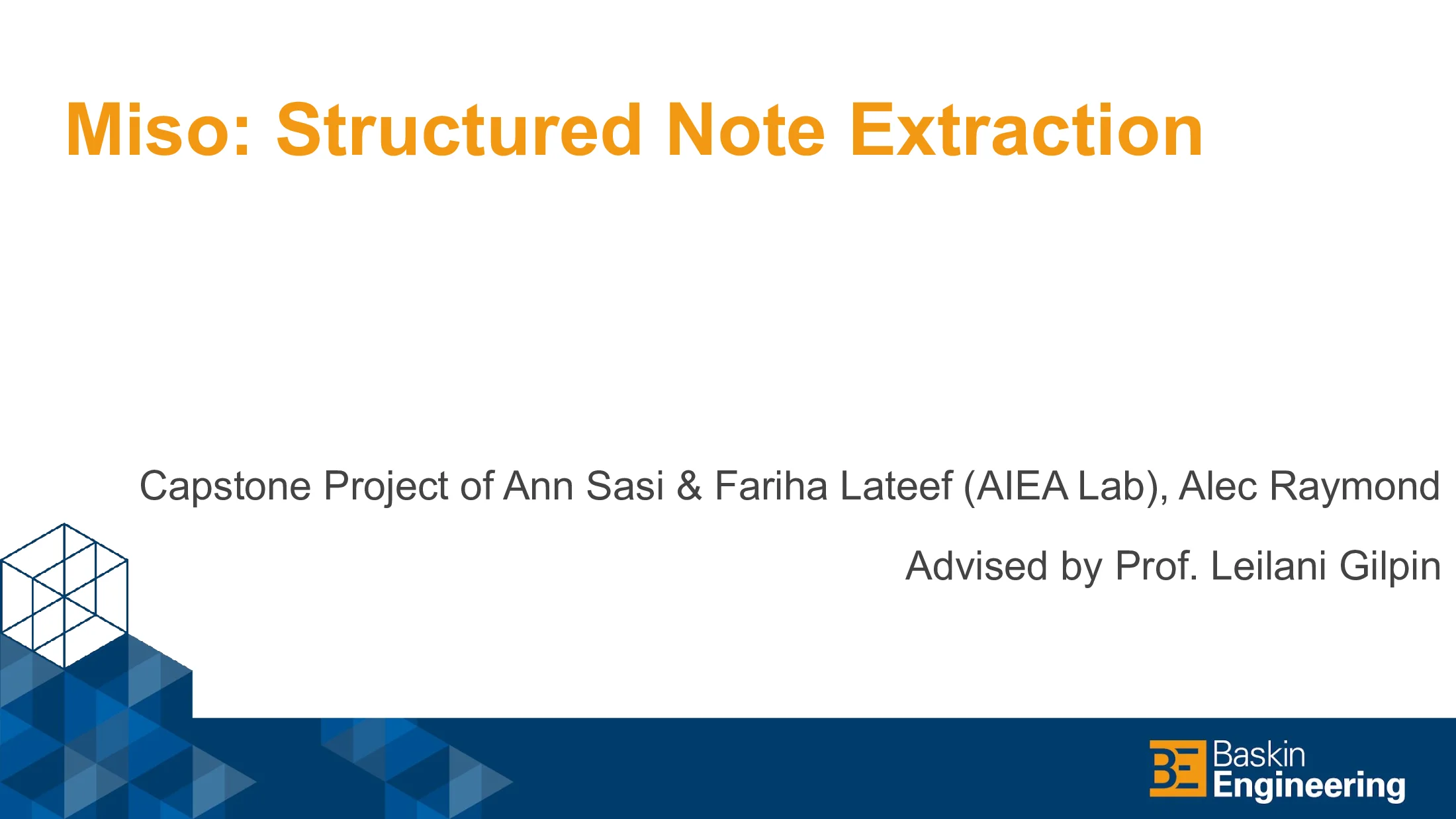
Miso: Structured Note Extraction
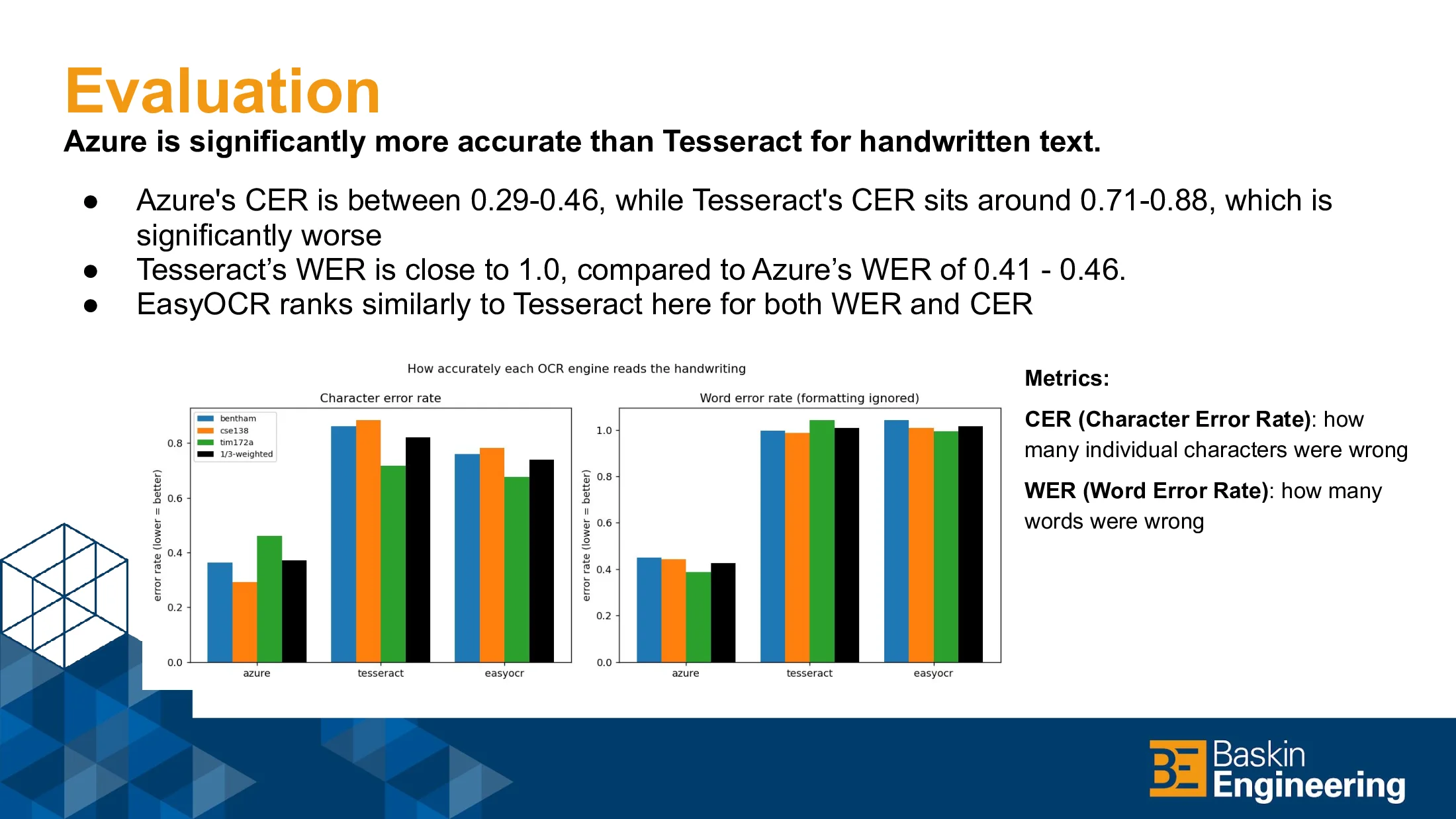
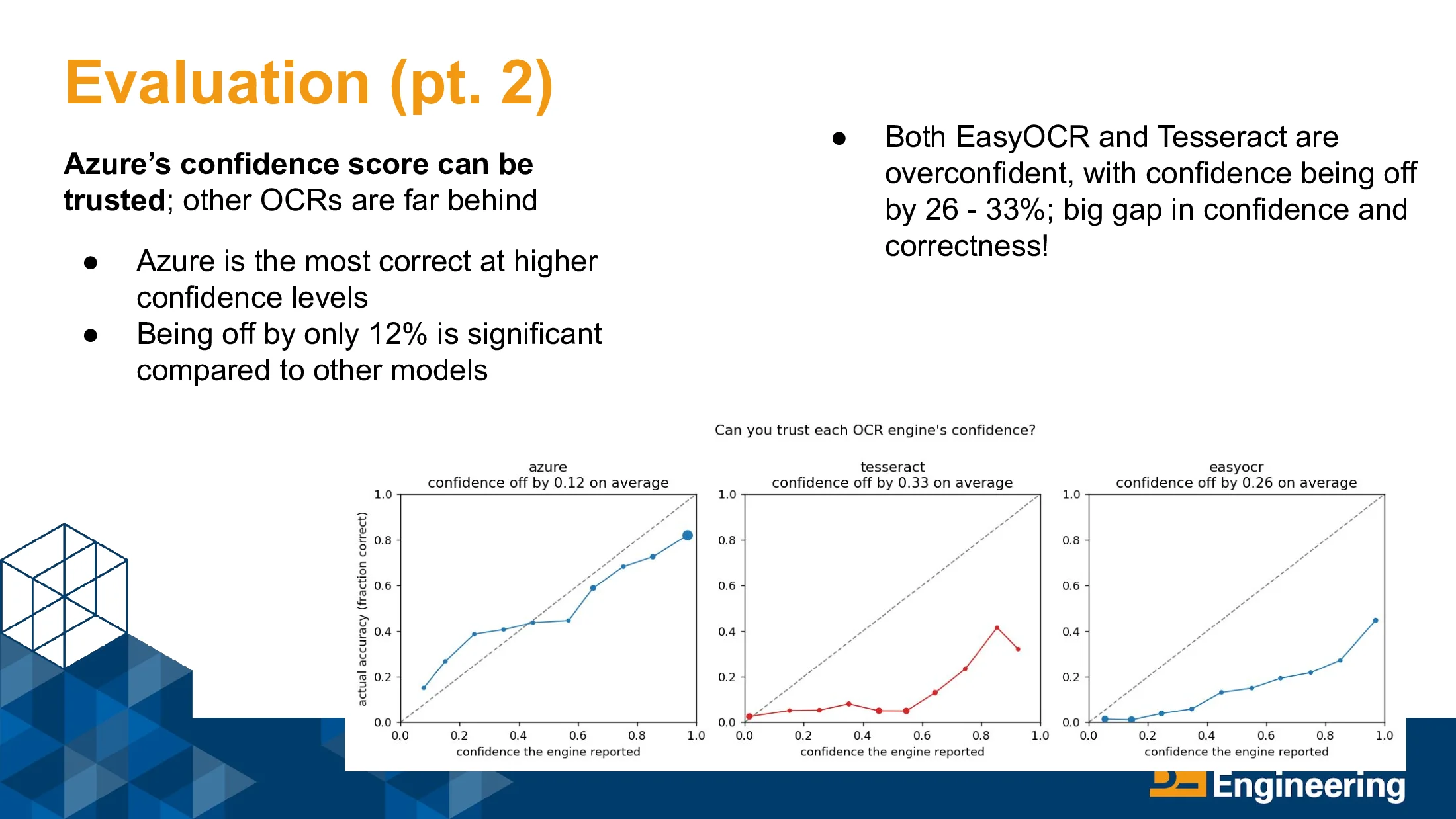
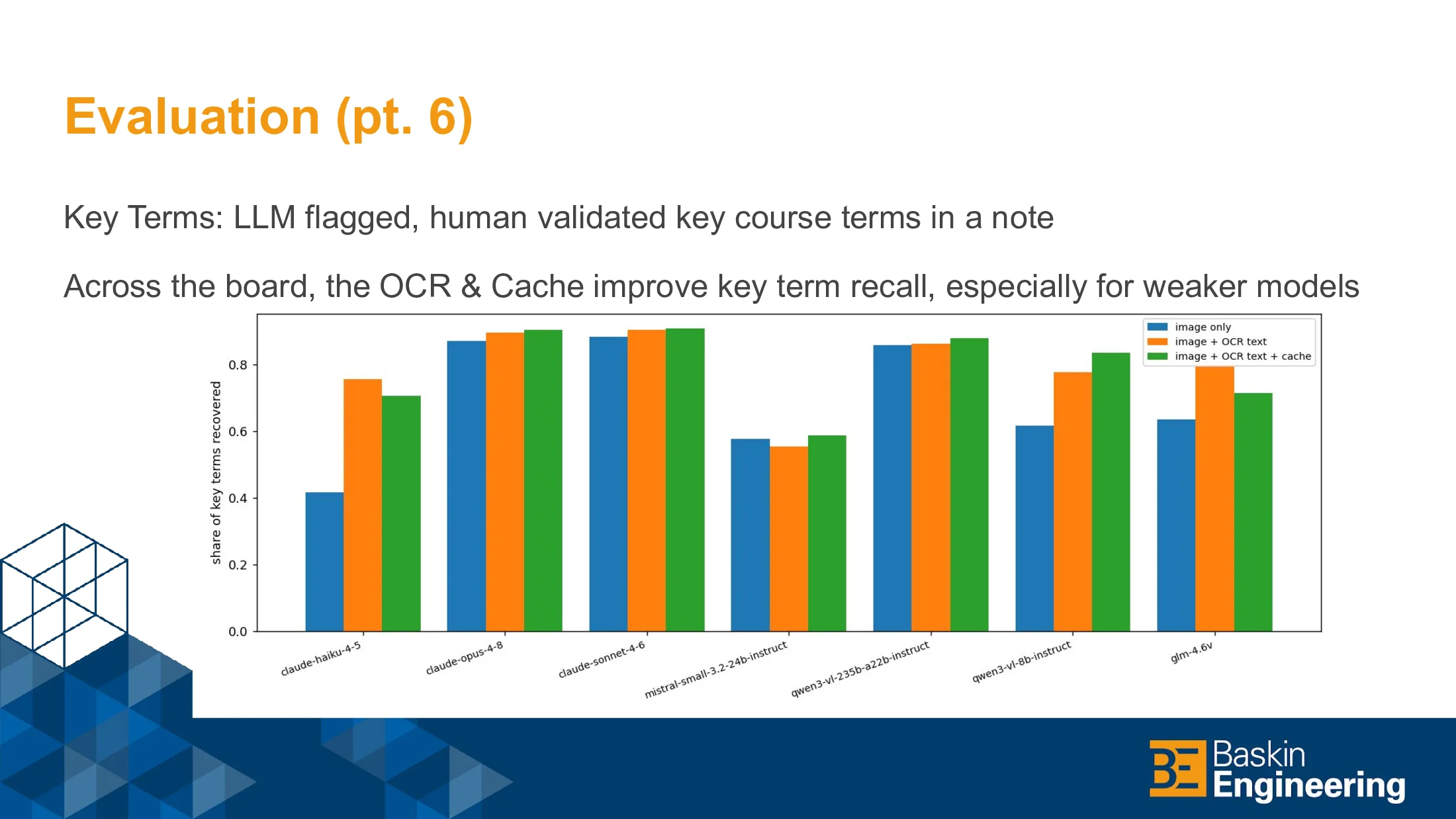
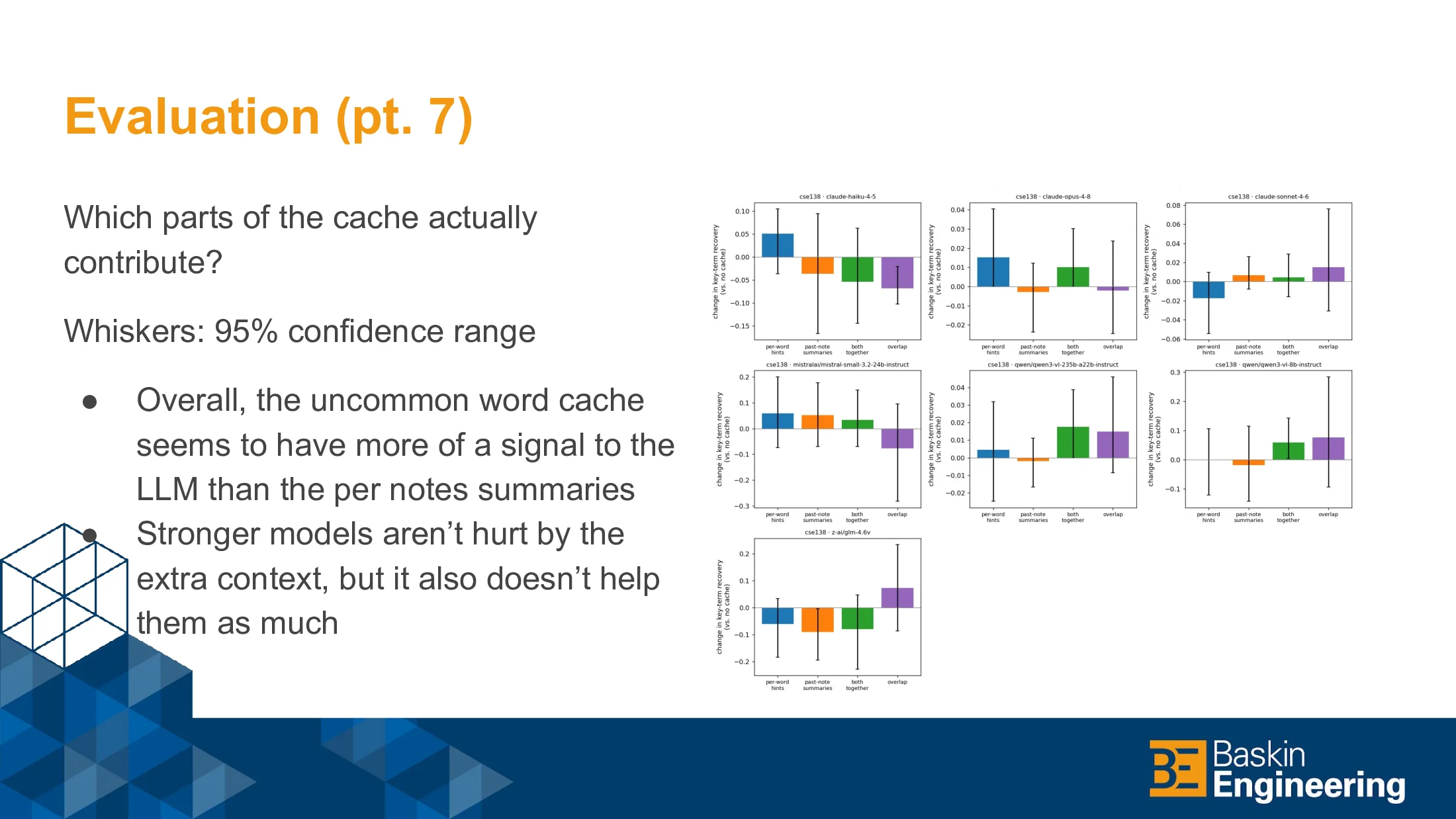
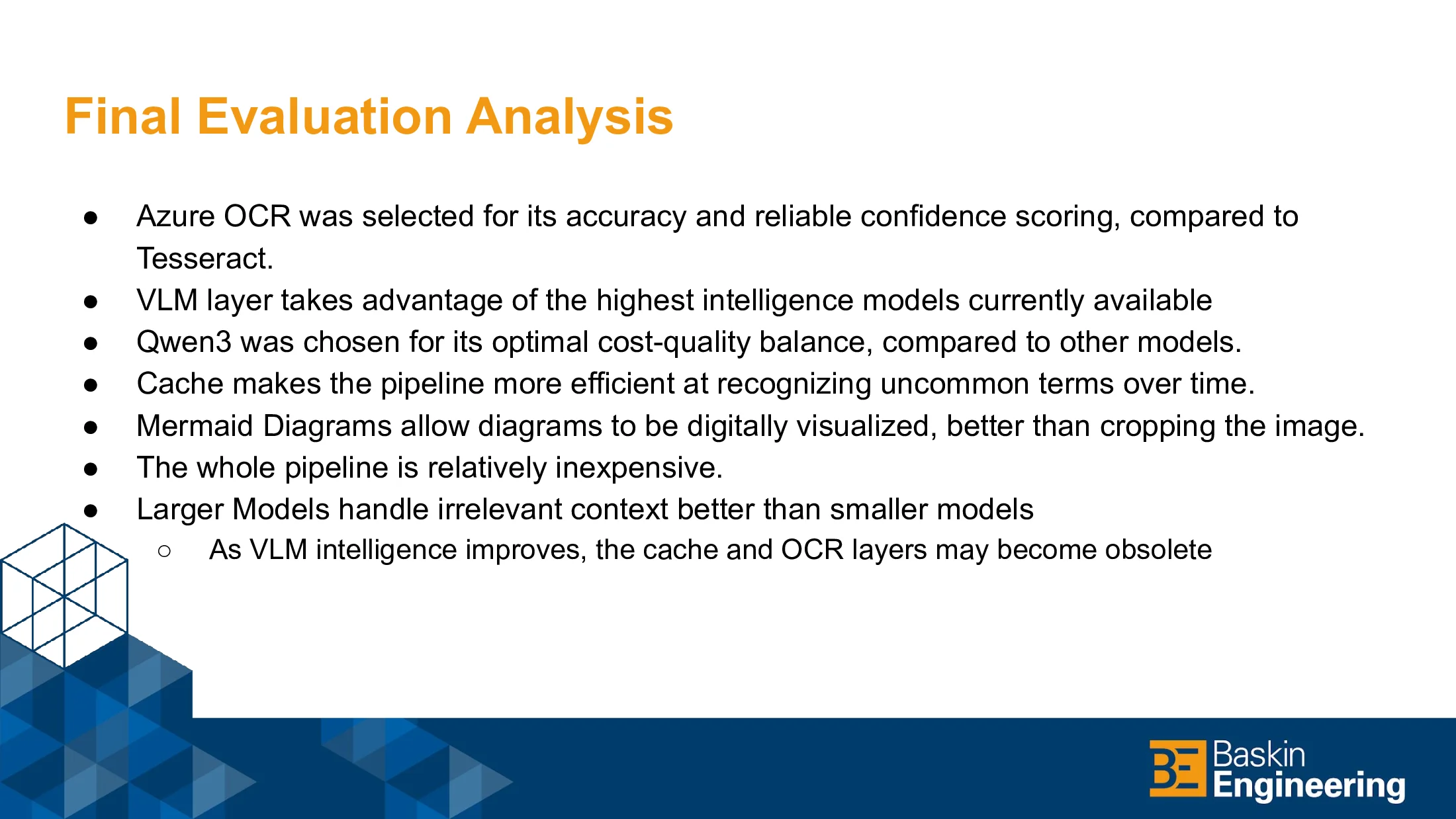
A pipeline combining VLM and OCR to digitize handwritten notes and diagrams.
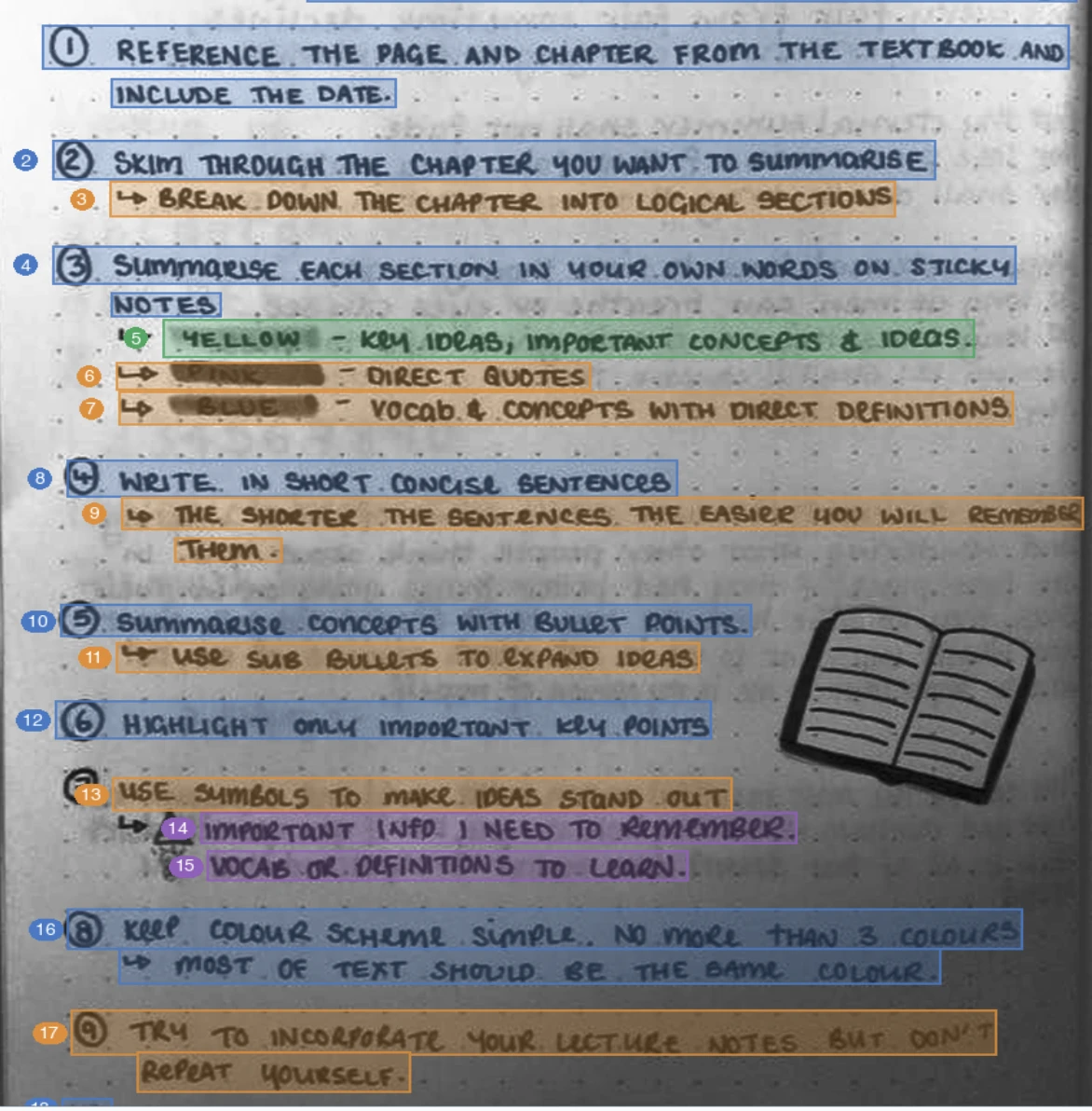
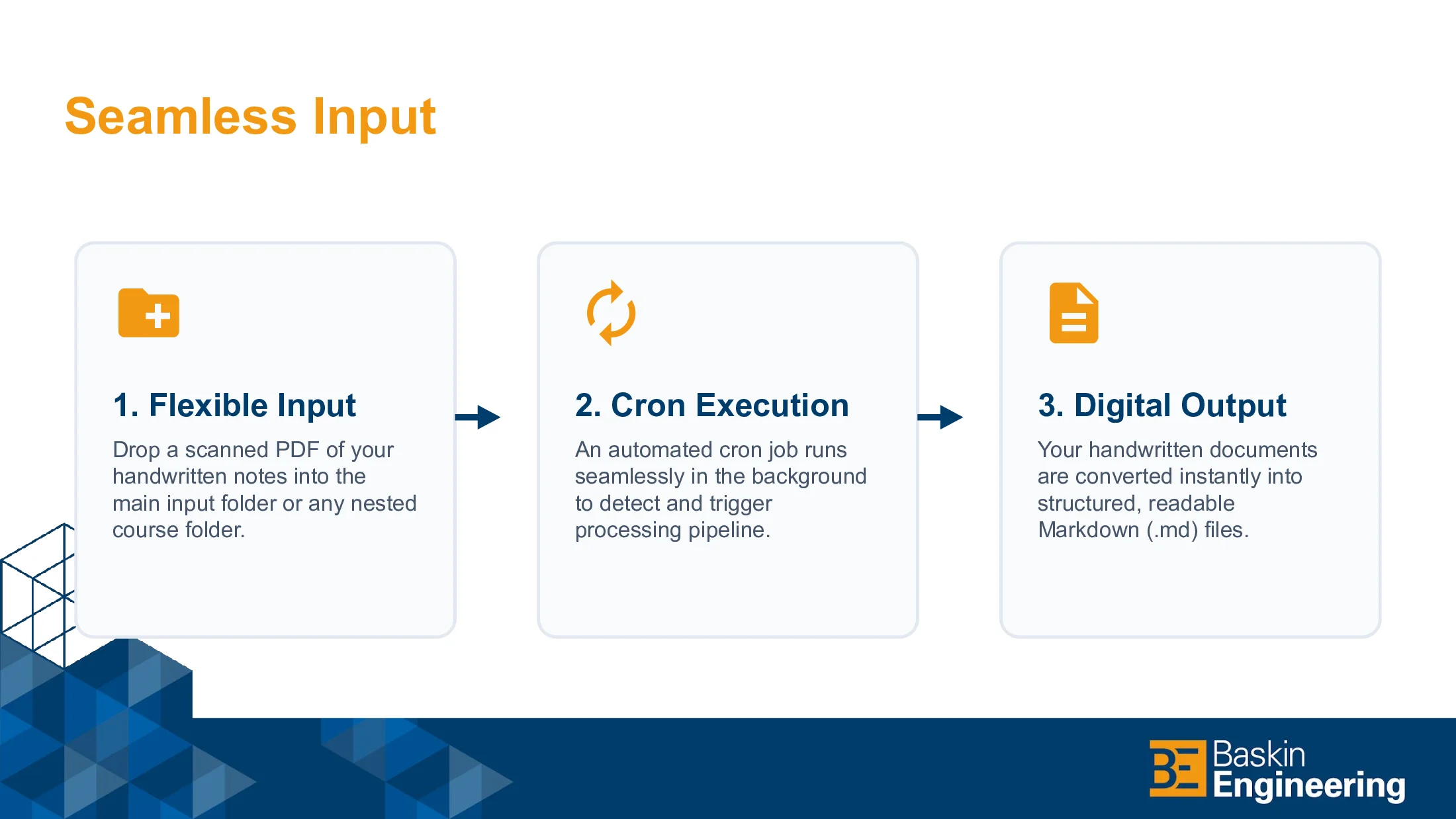
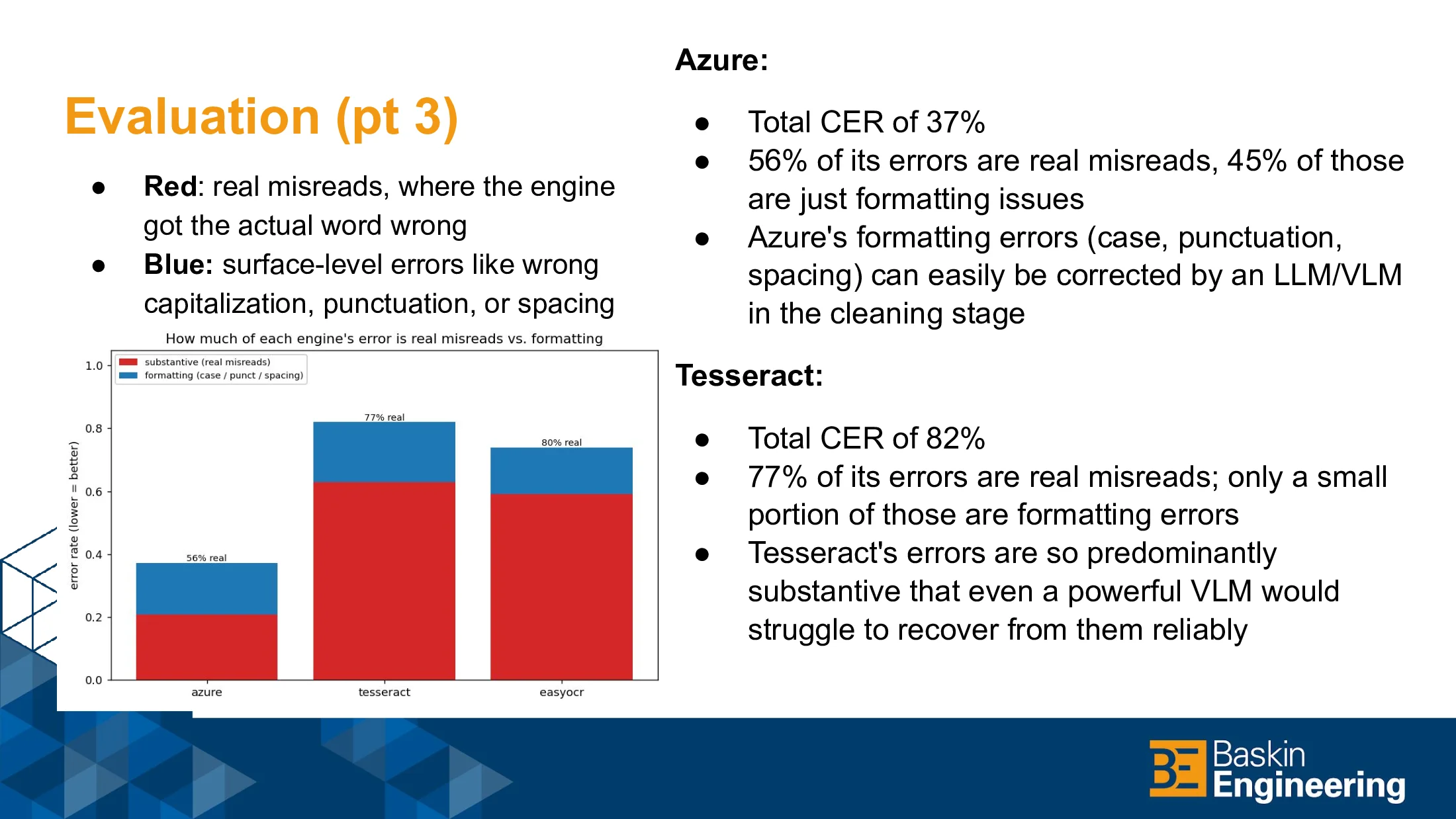
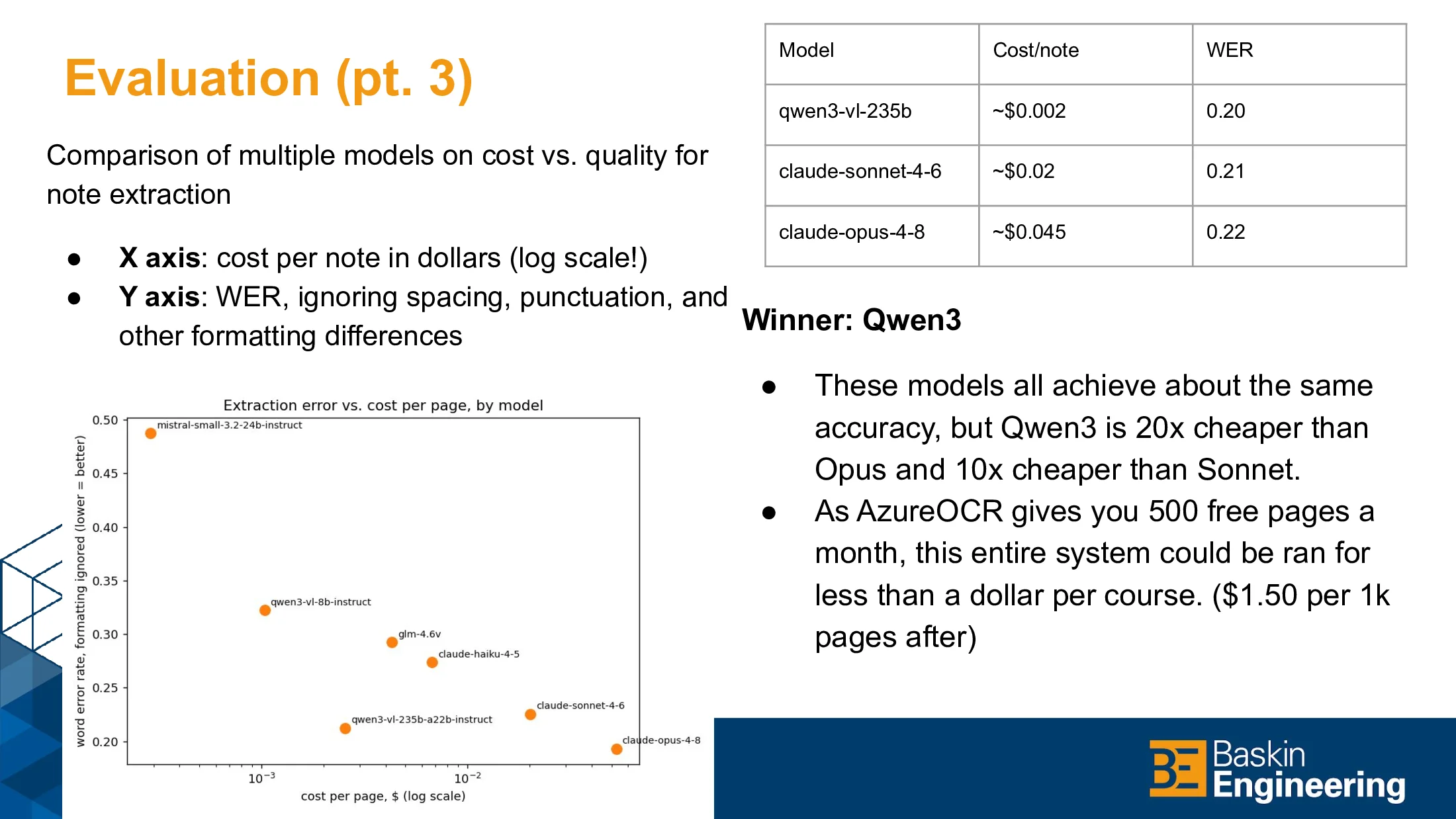
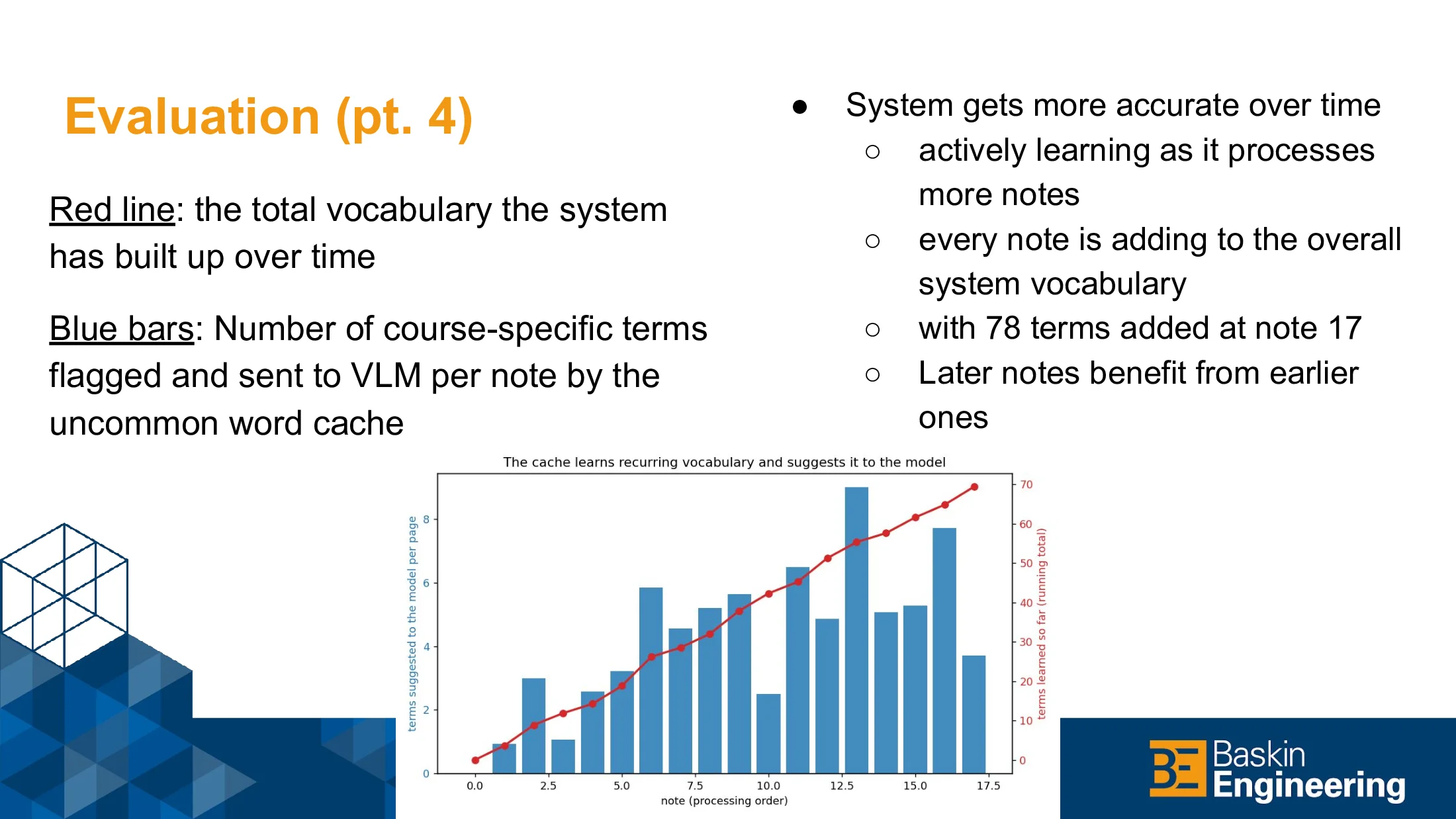
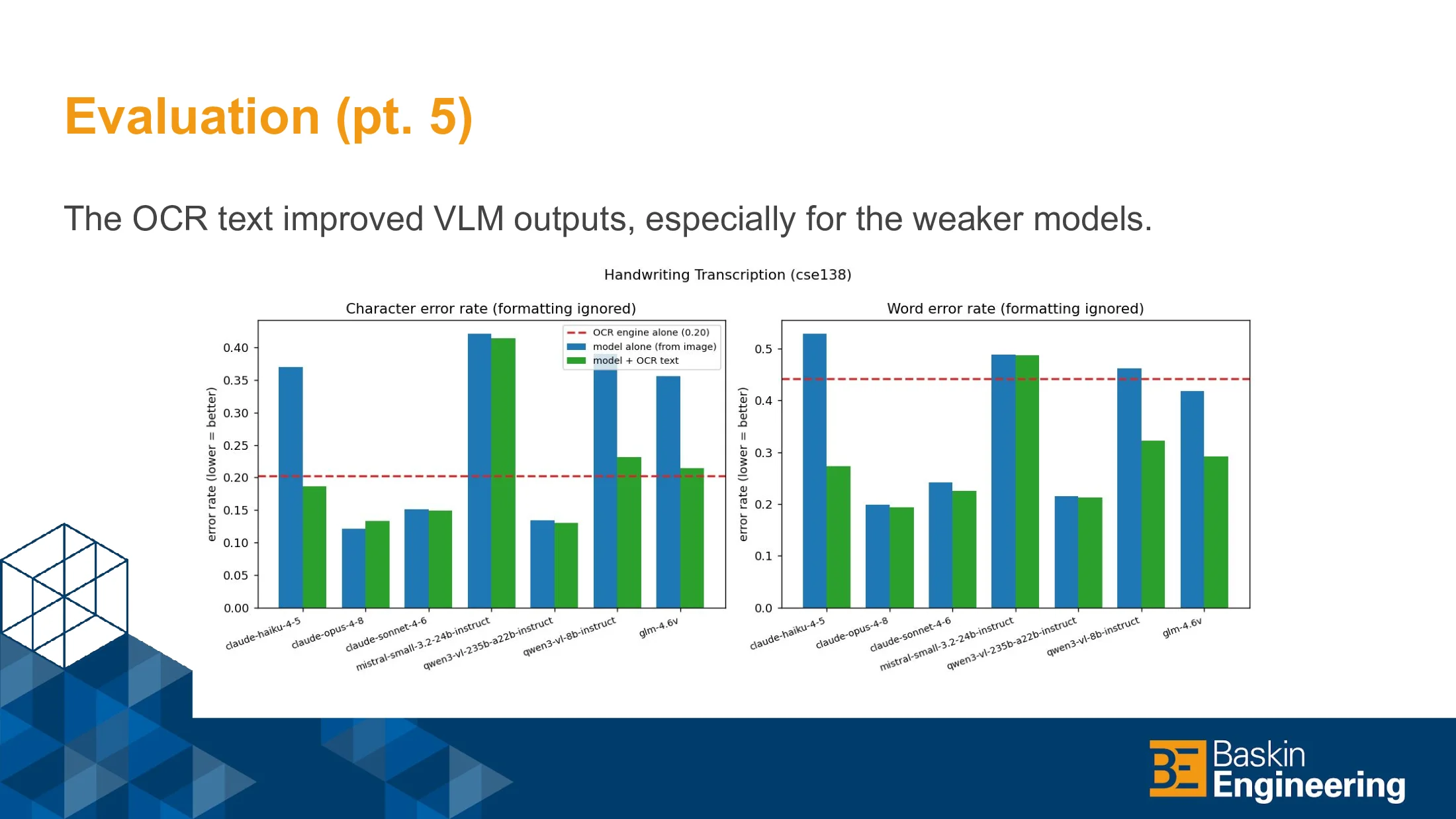
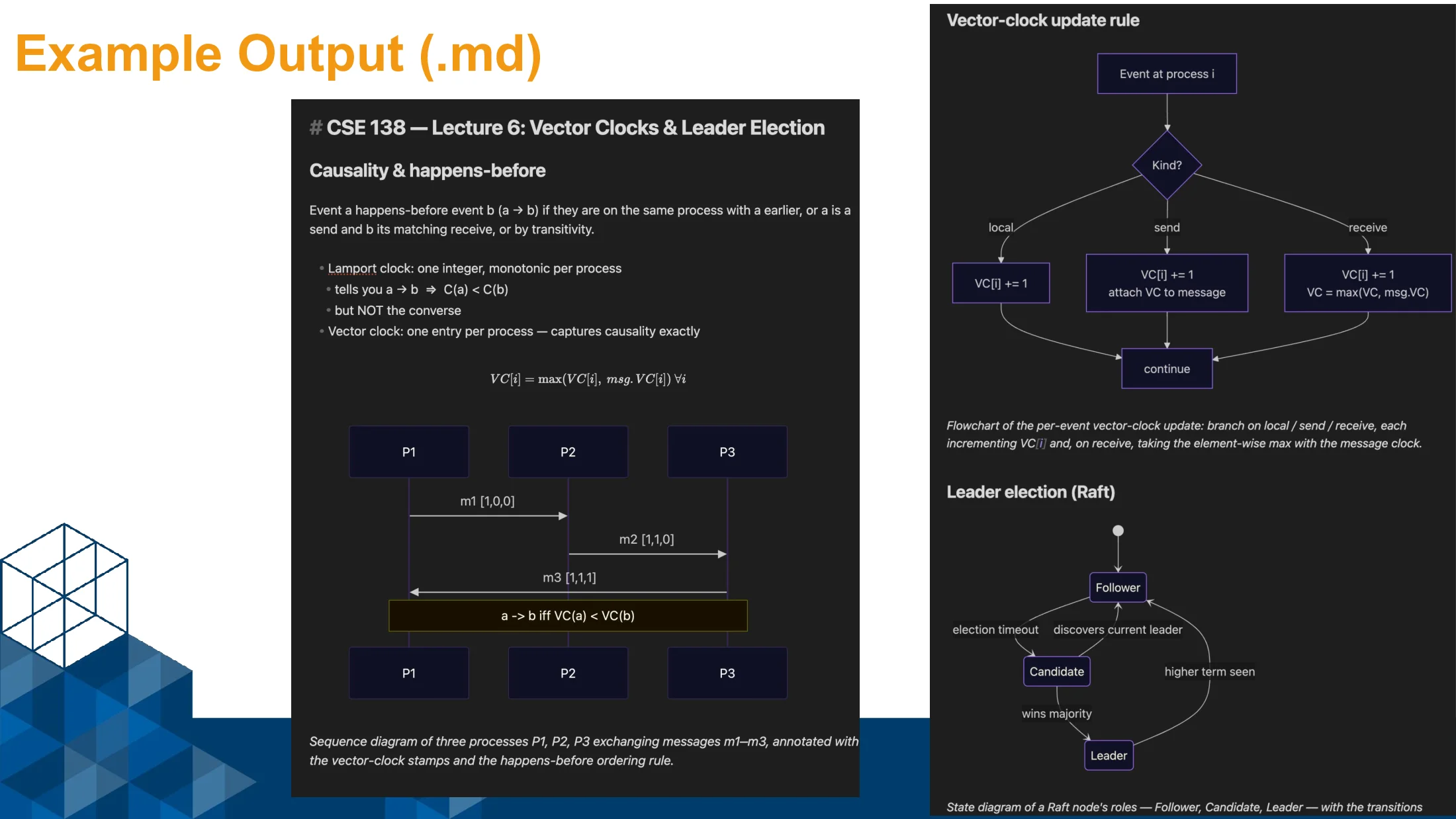
This pipeline lets you turn a scan of handwritten notes or any physical document, into any digital format you might want (.md, .pdf, .docx), by just dropping those scans into a folder. It then combines the word by word accuracy of an OCR with the semantic understanding of an LLM to produce highly accurate results.
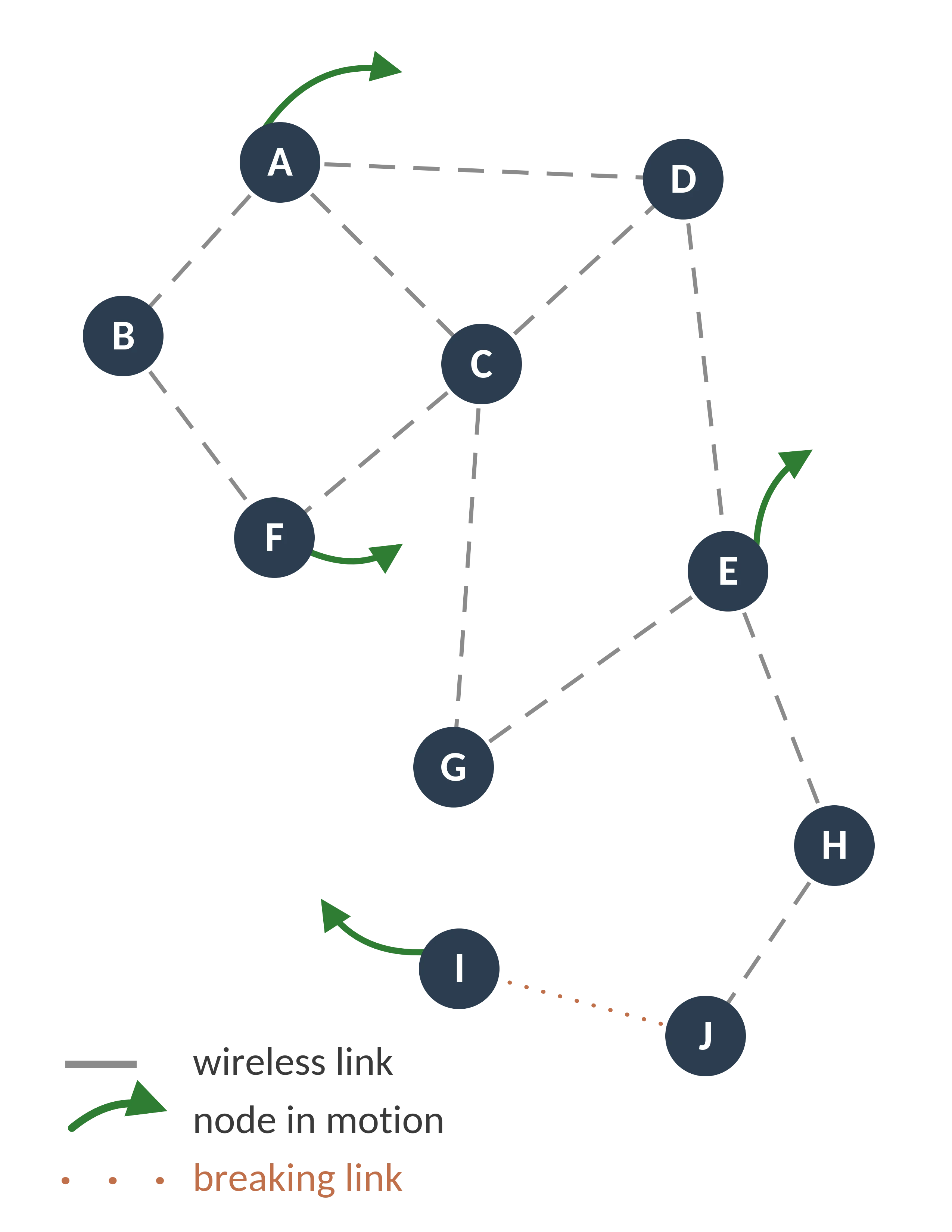
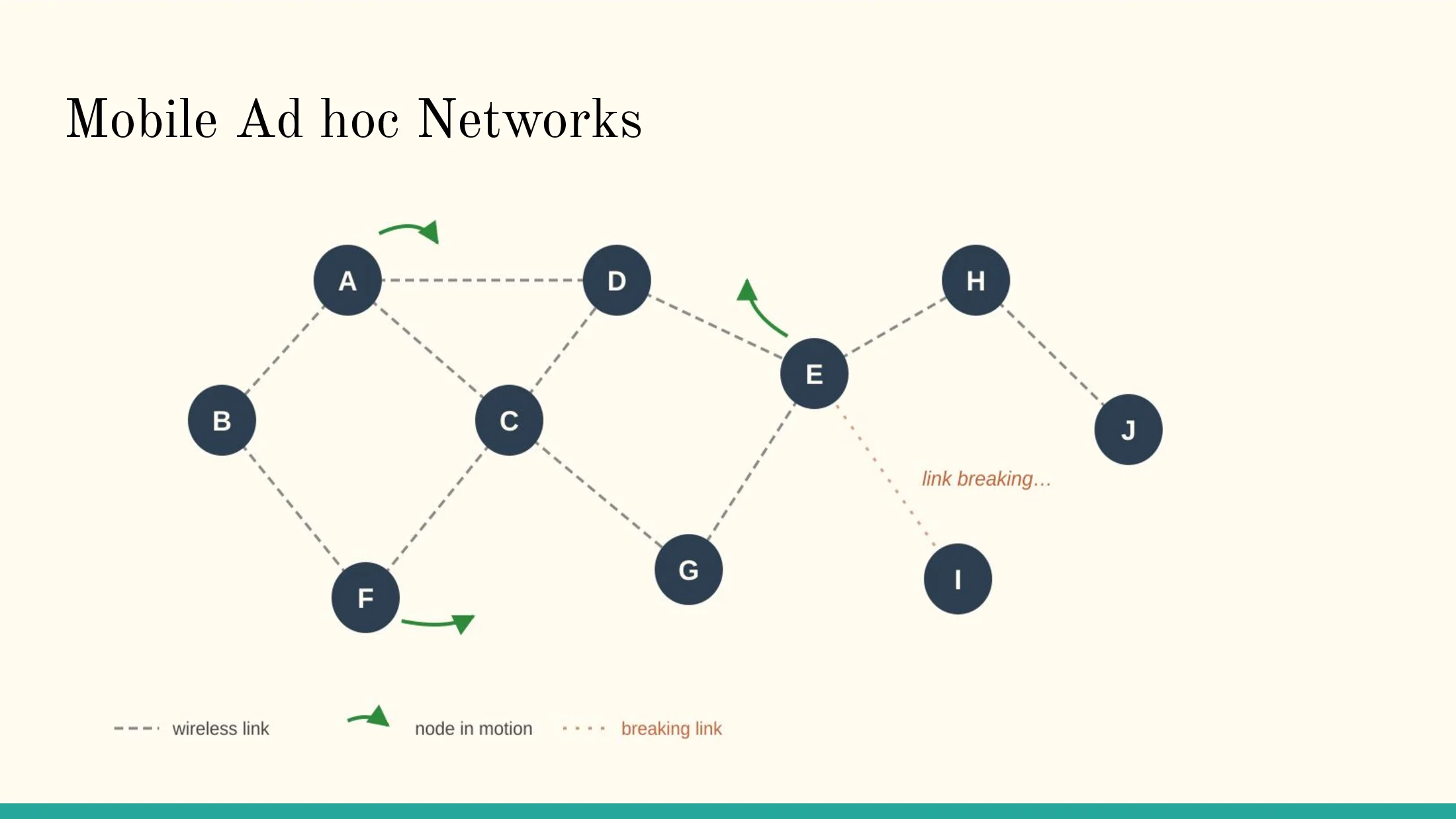
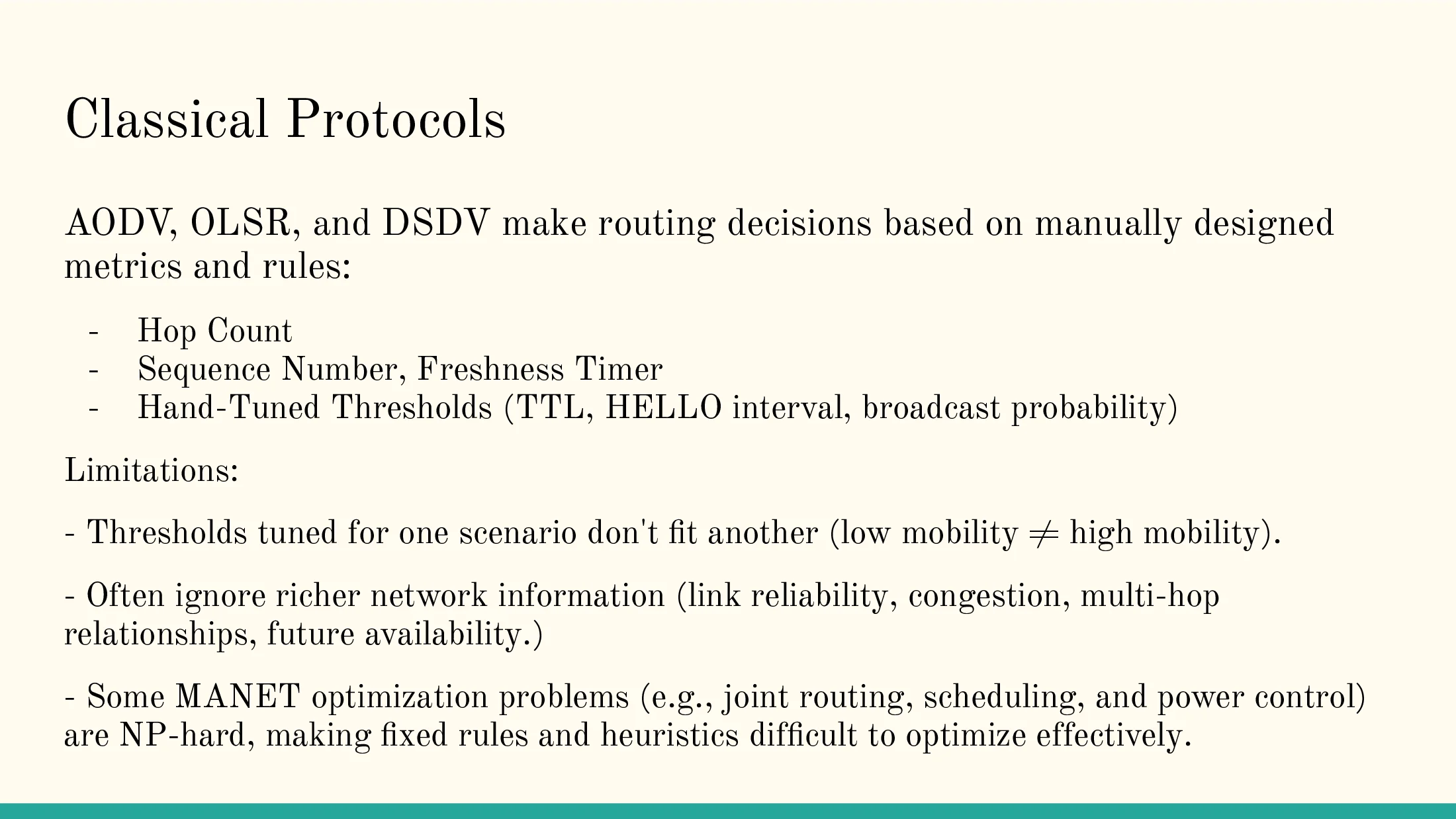
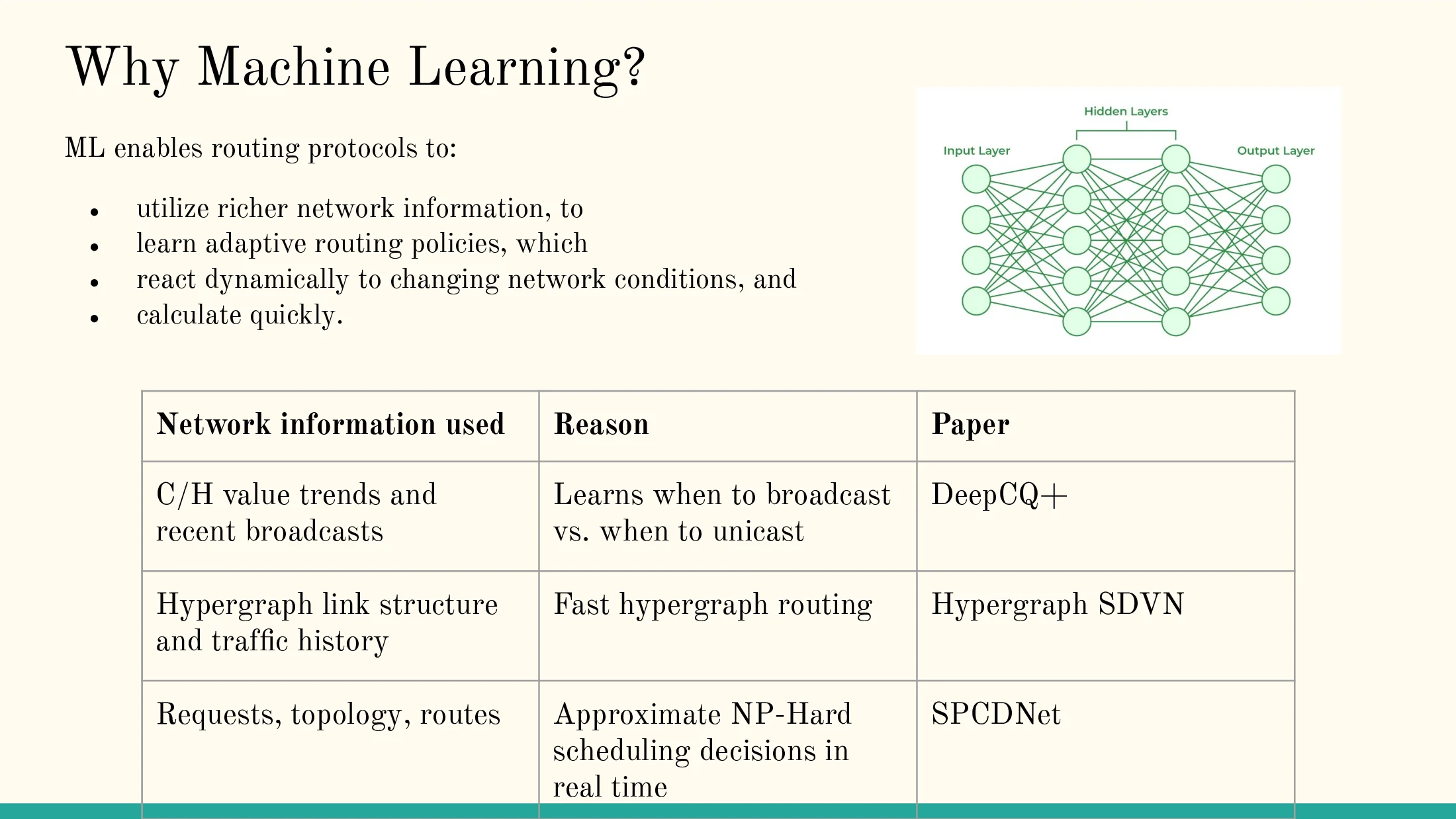
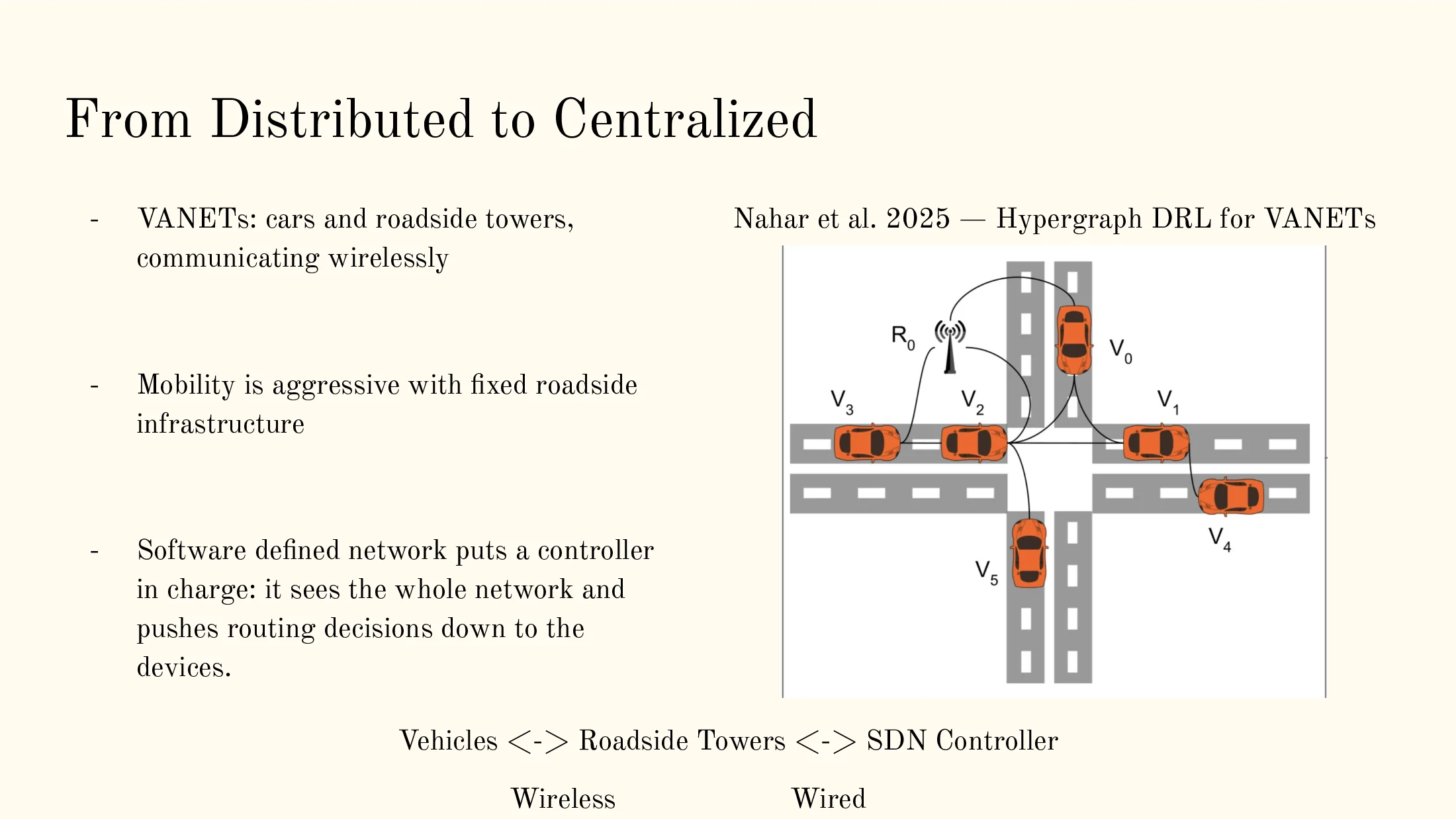
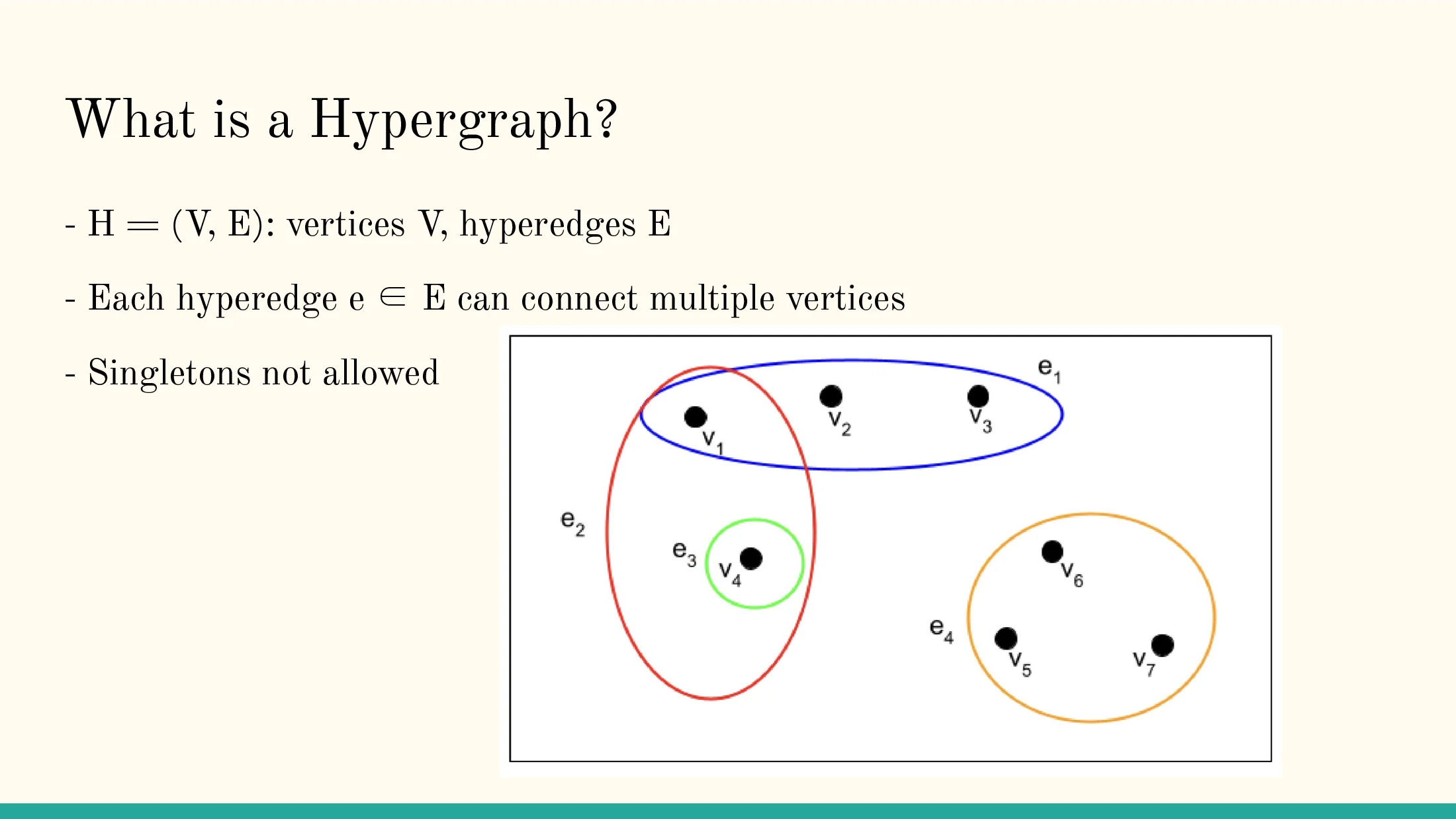
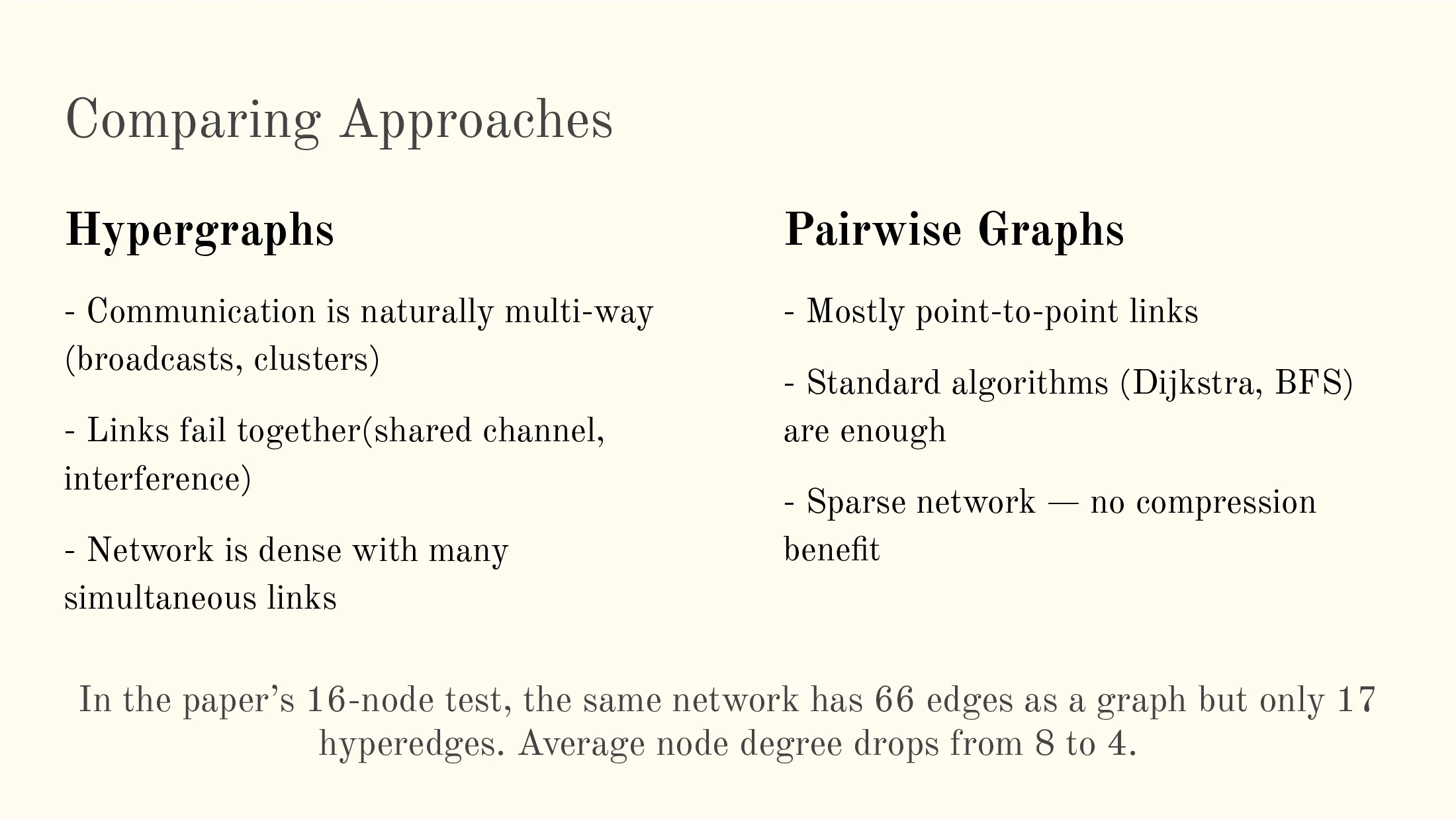
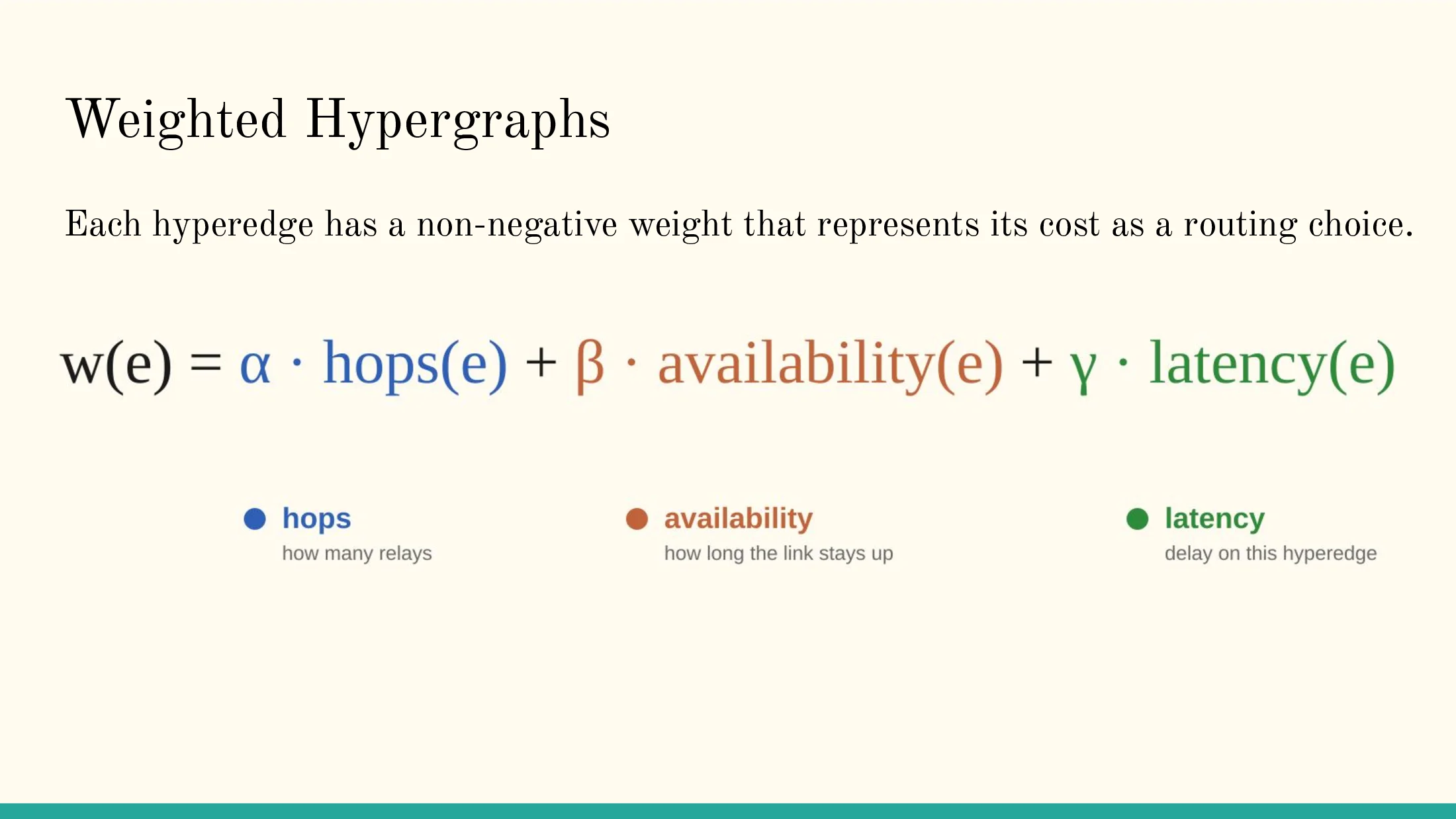
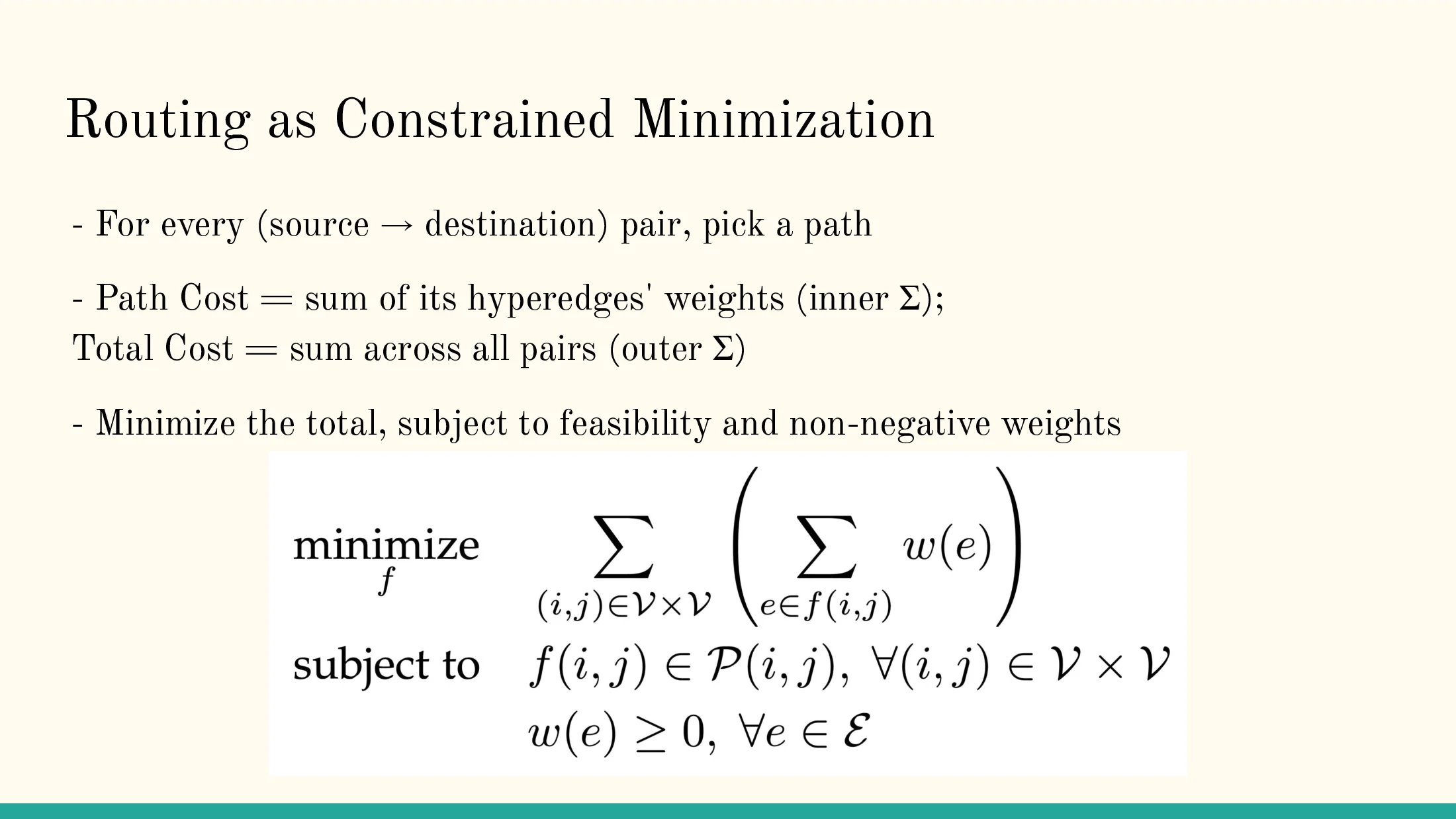
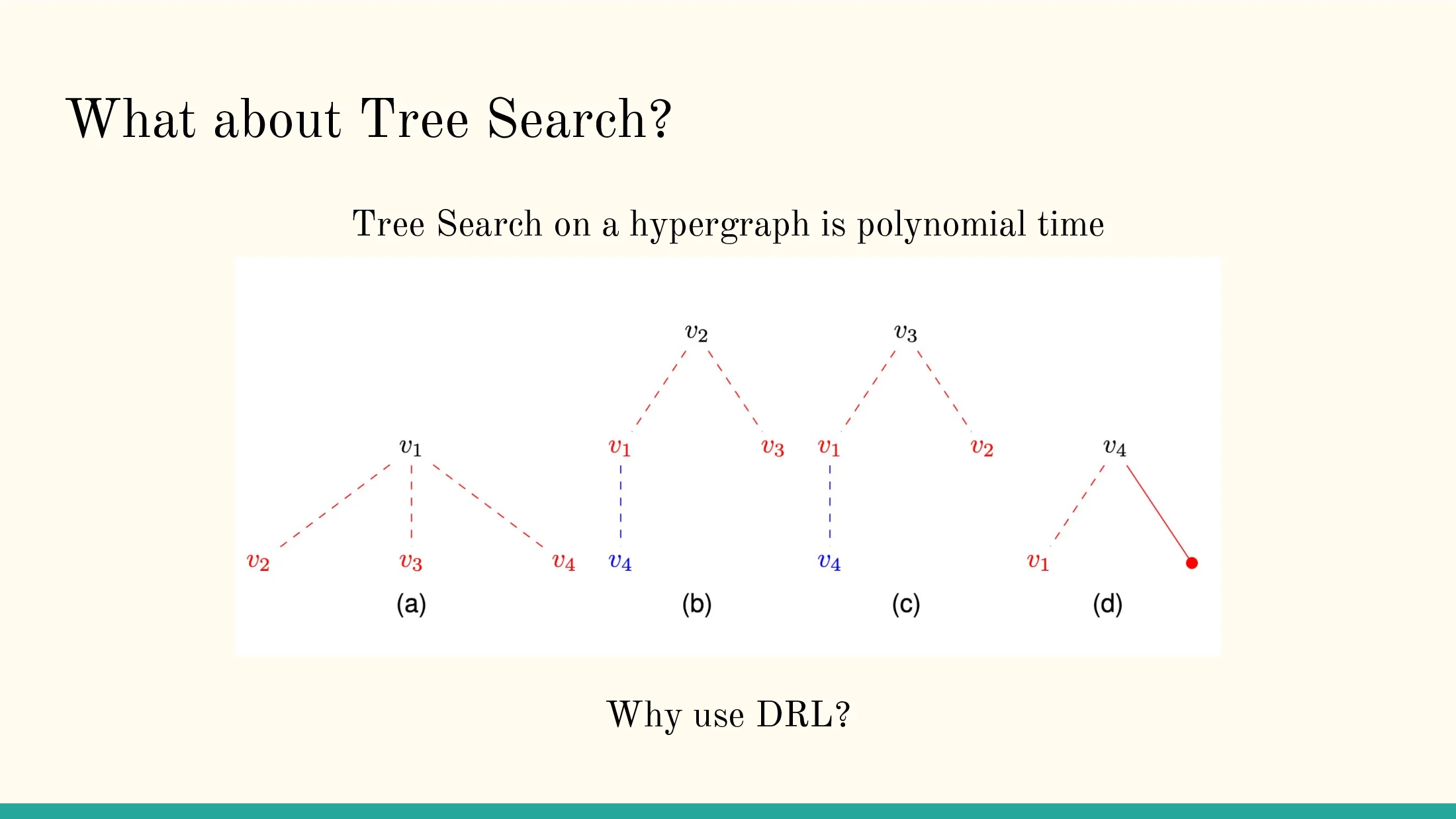
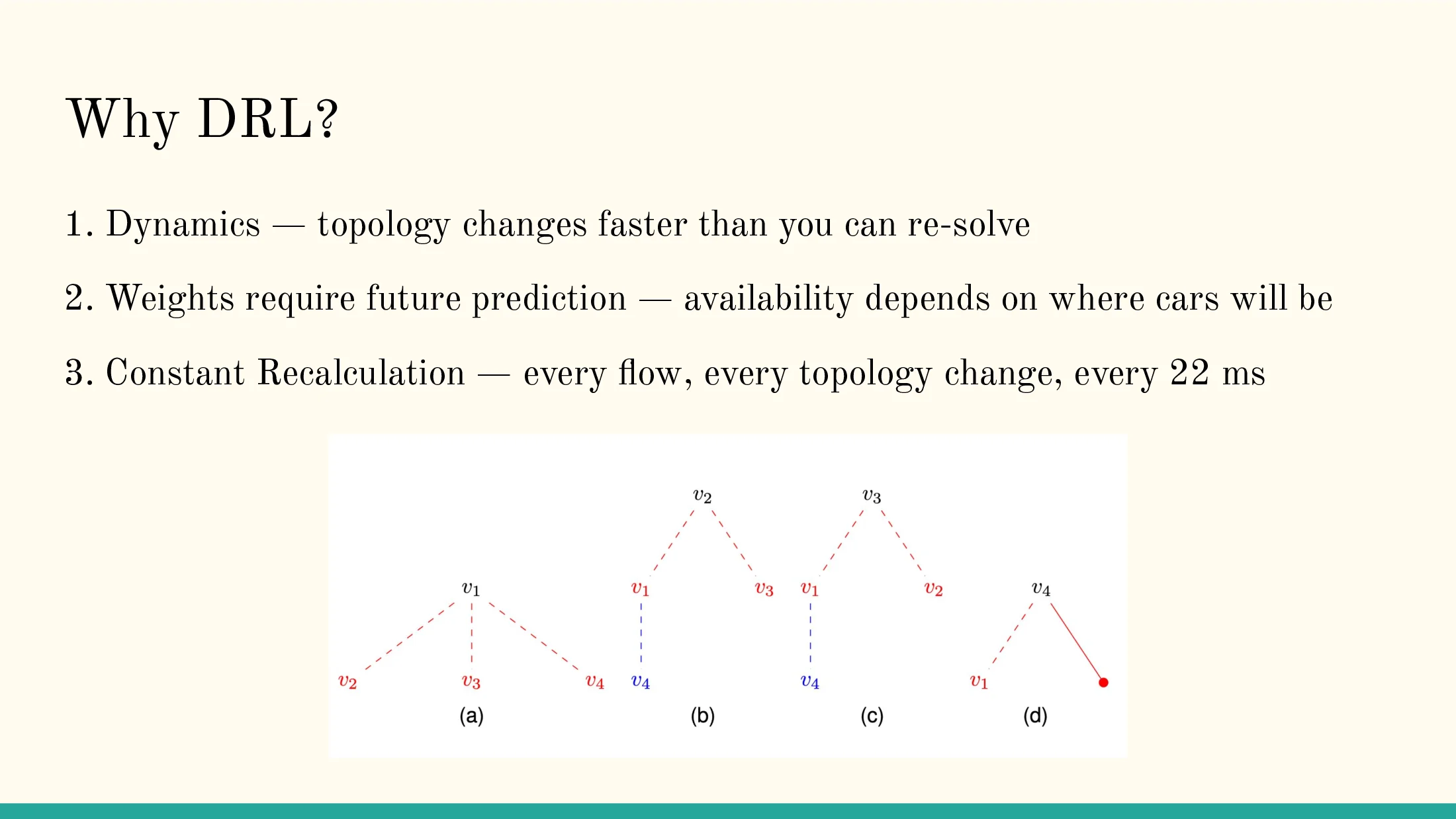
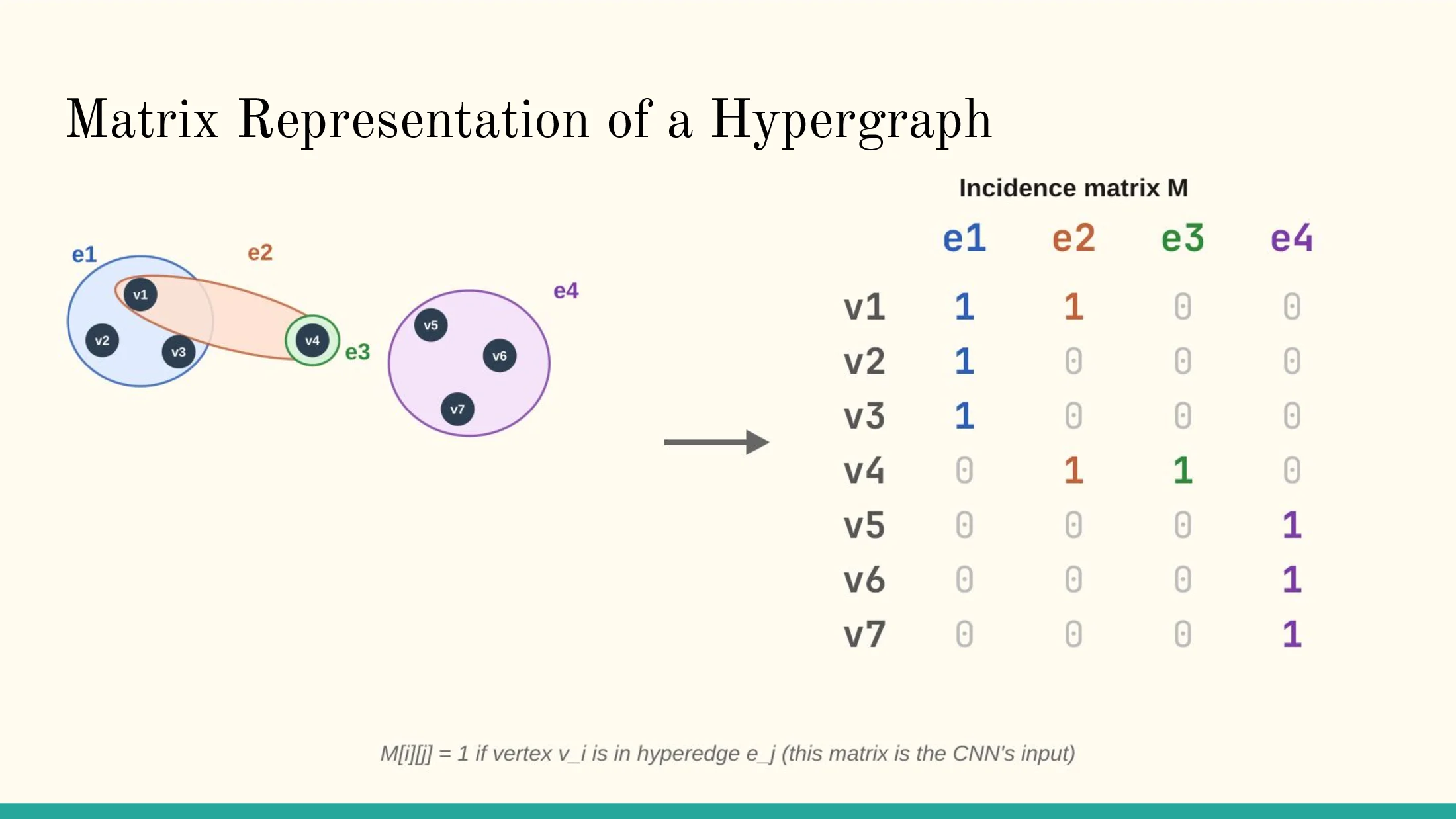
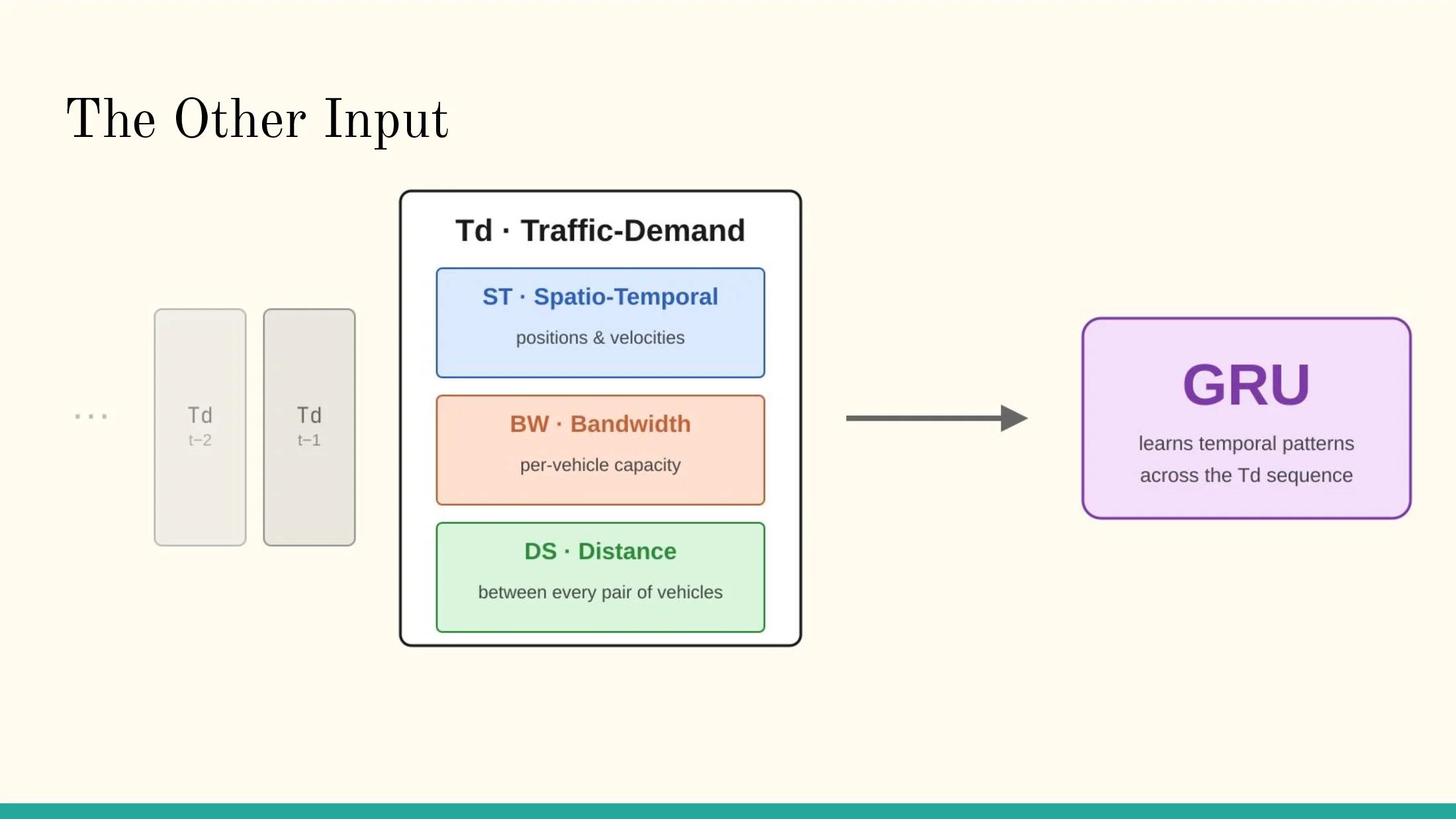
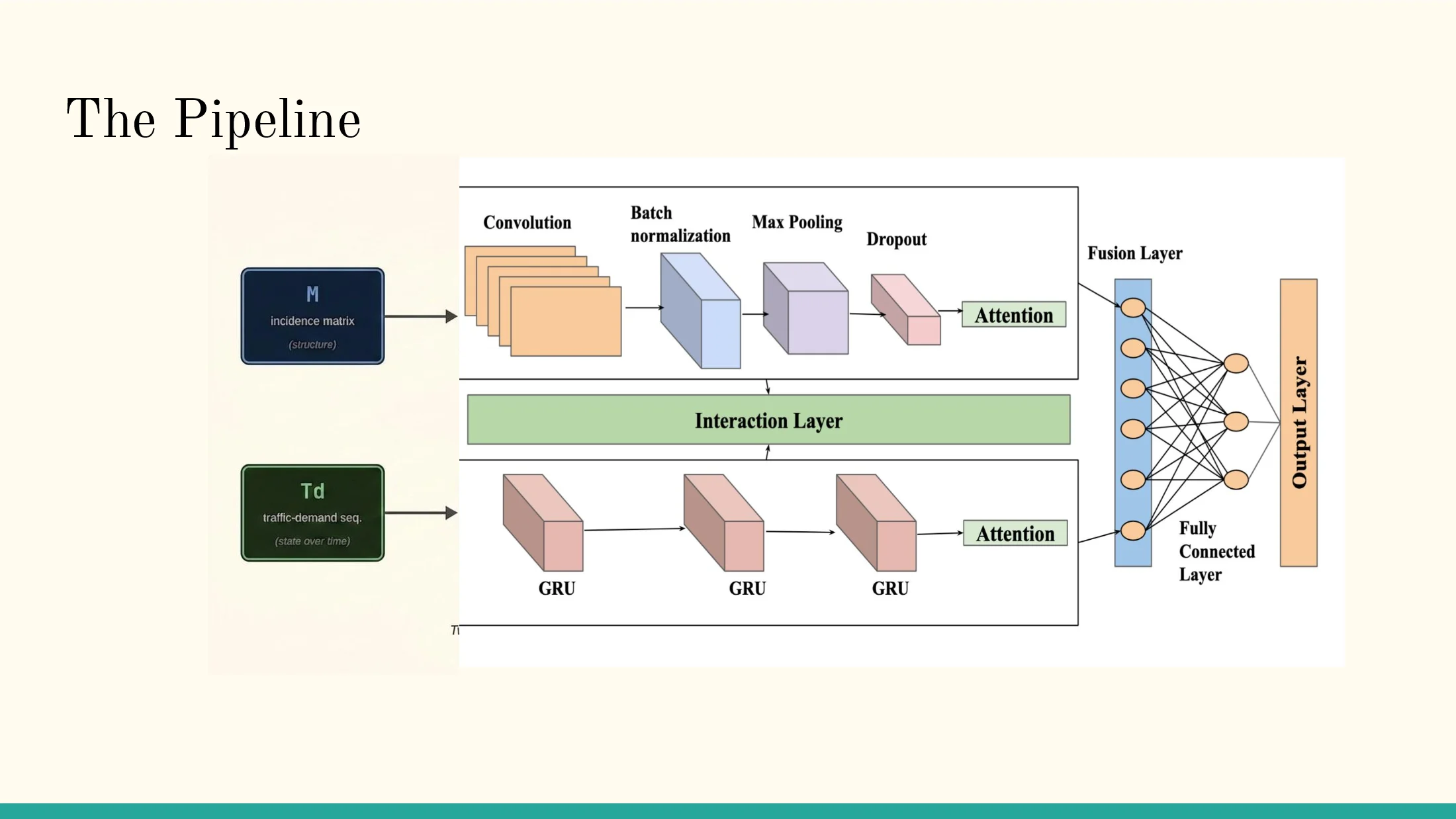
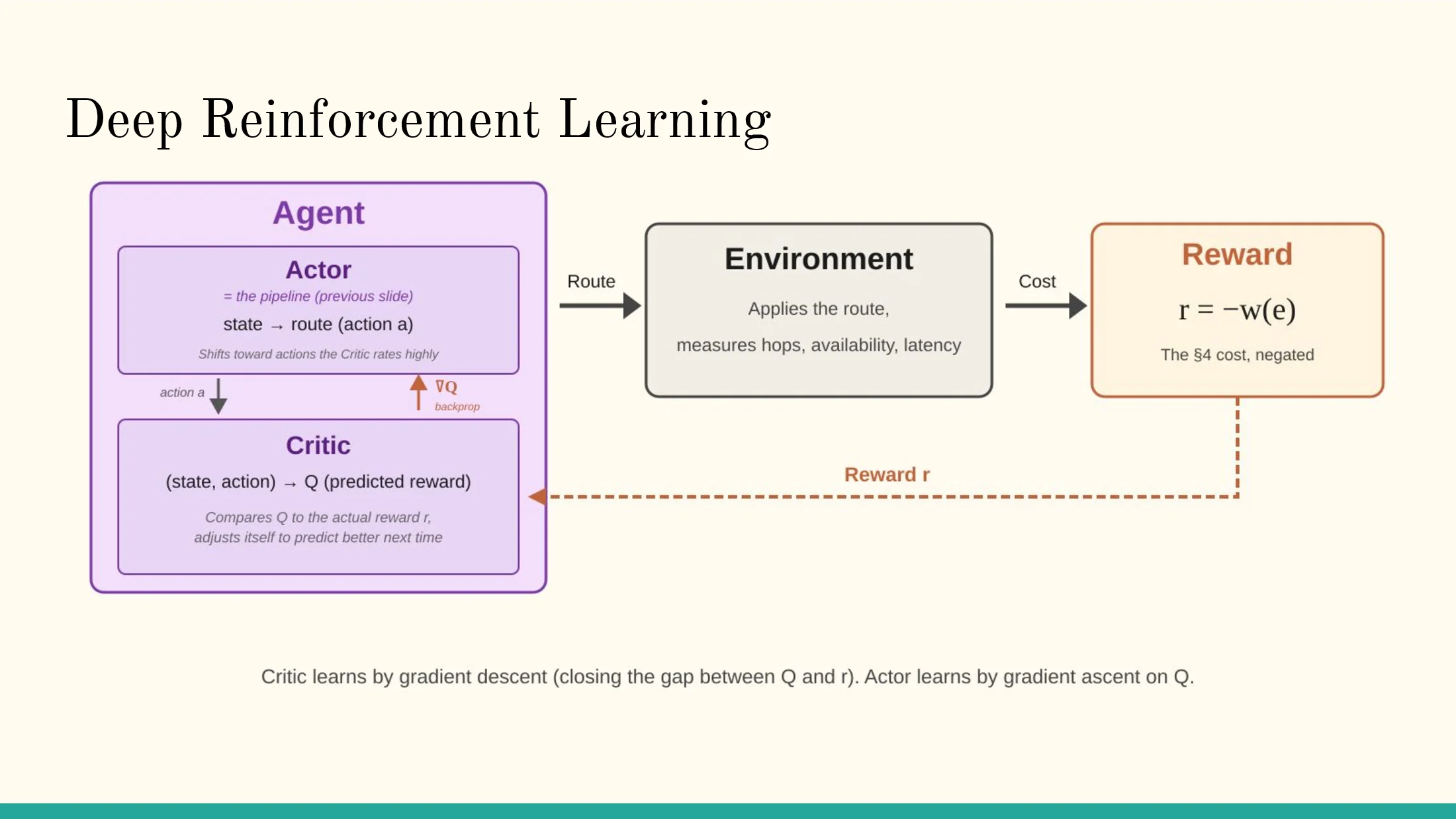
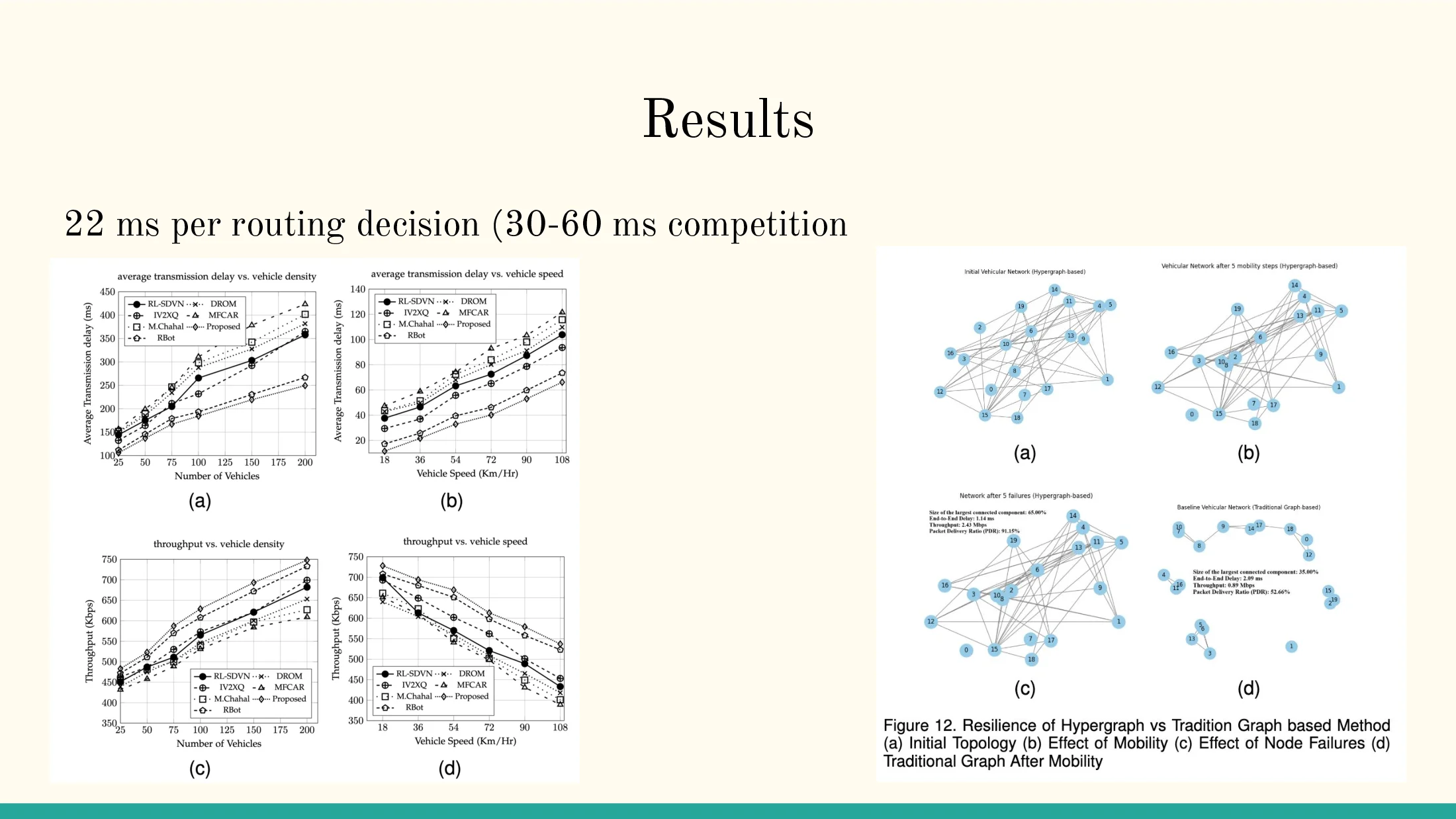
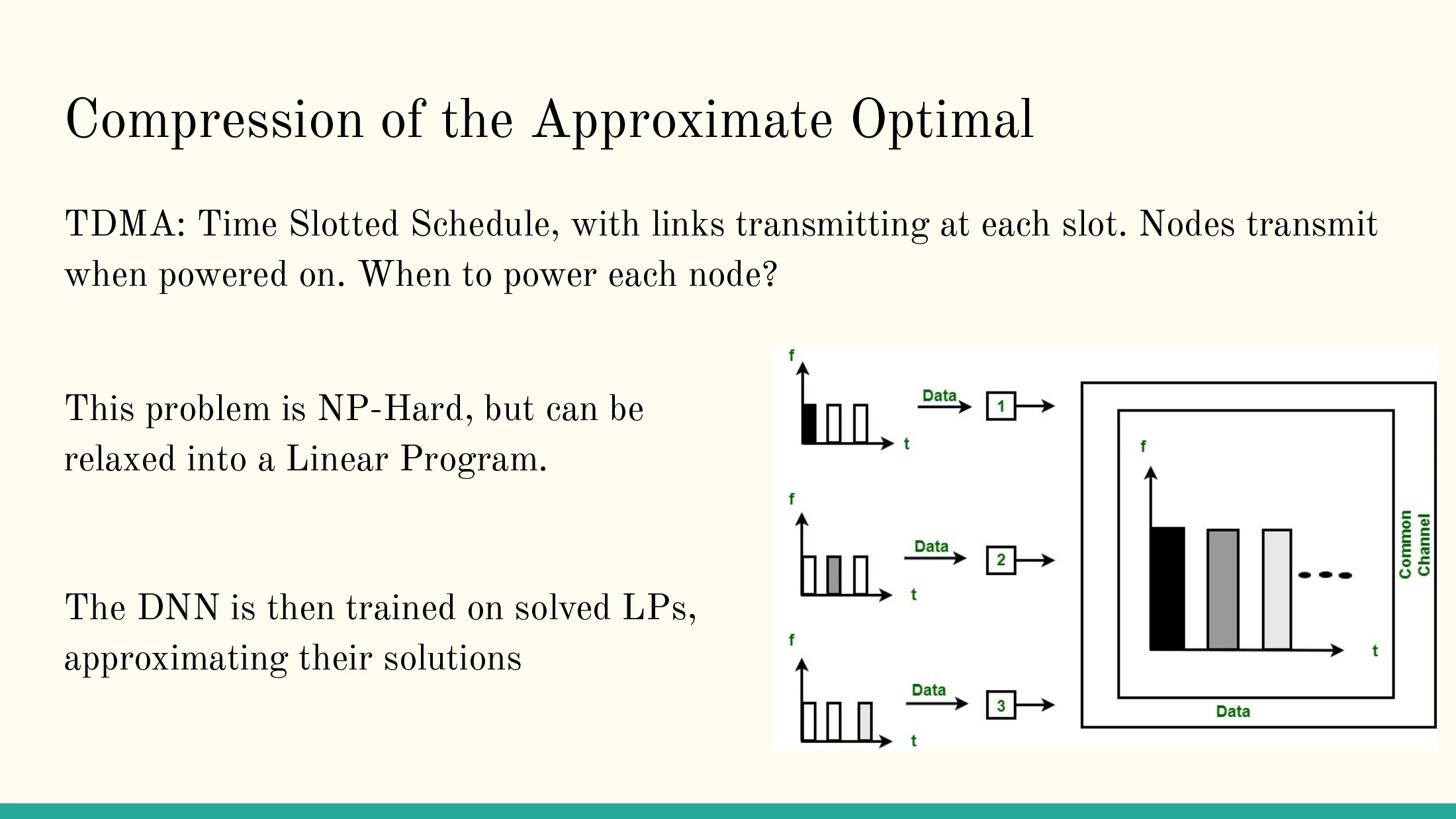
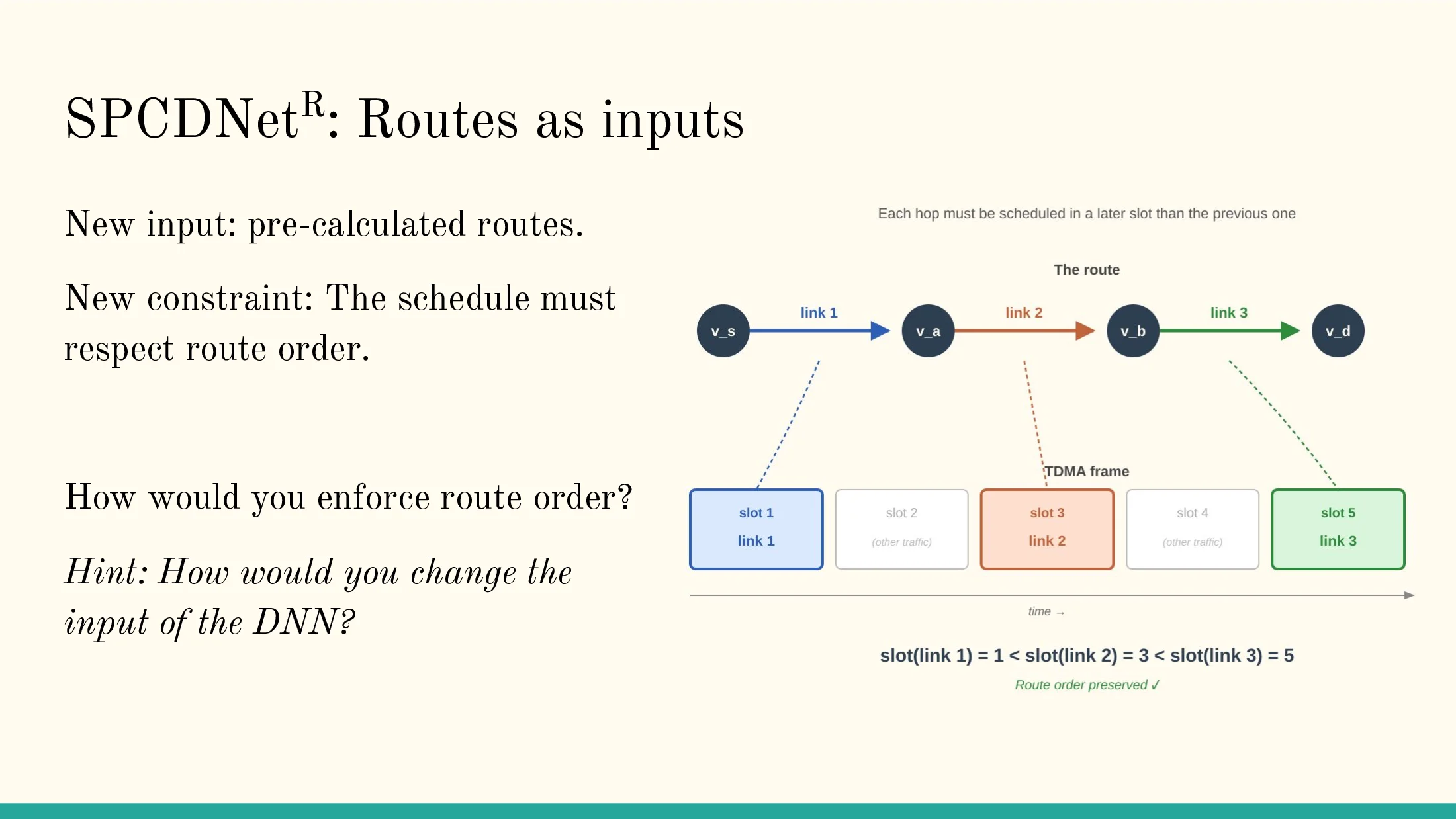
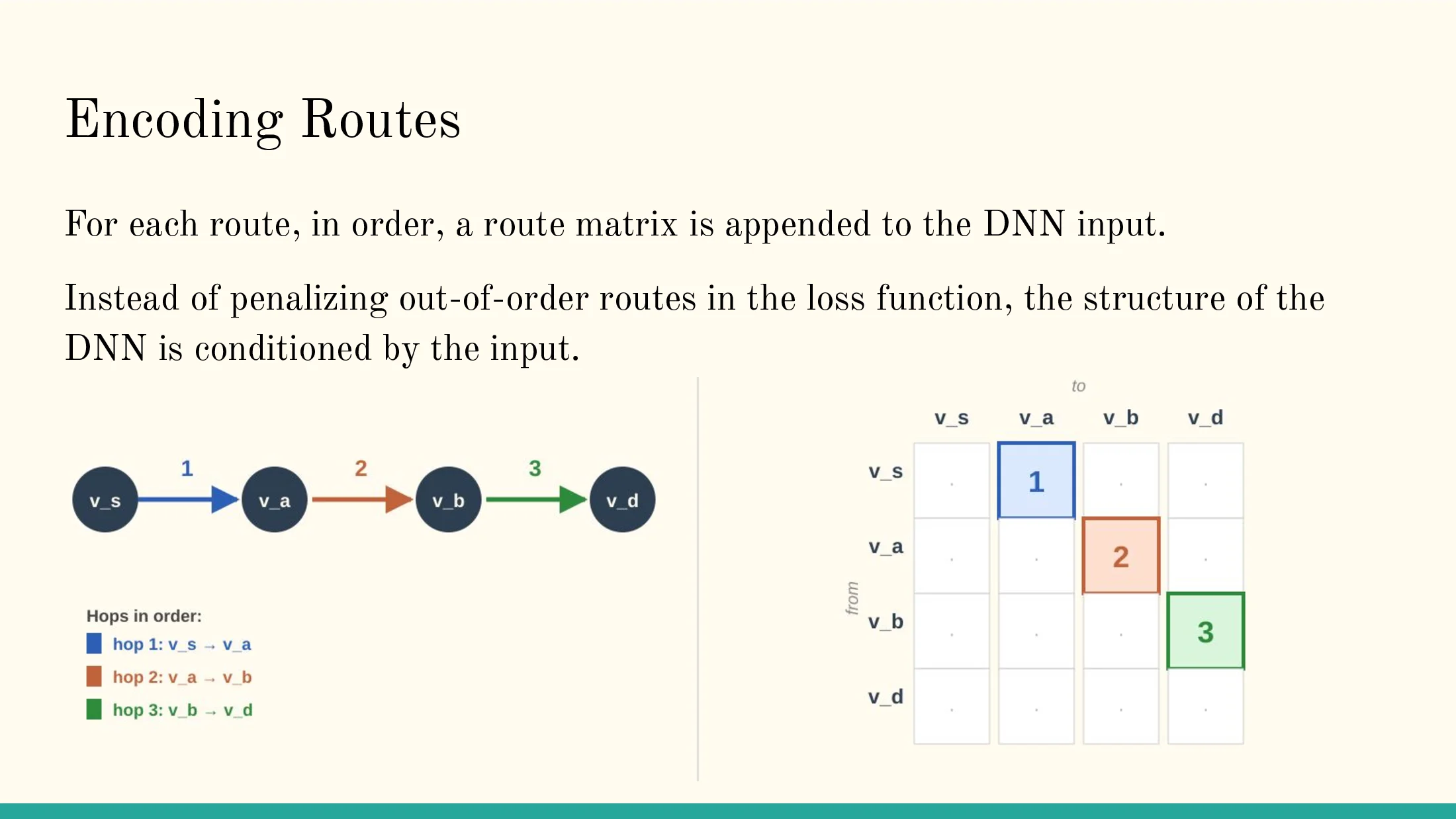
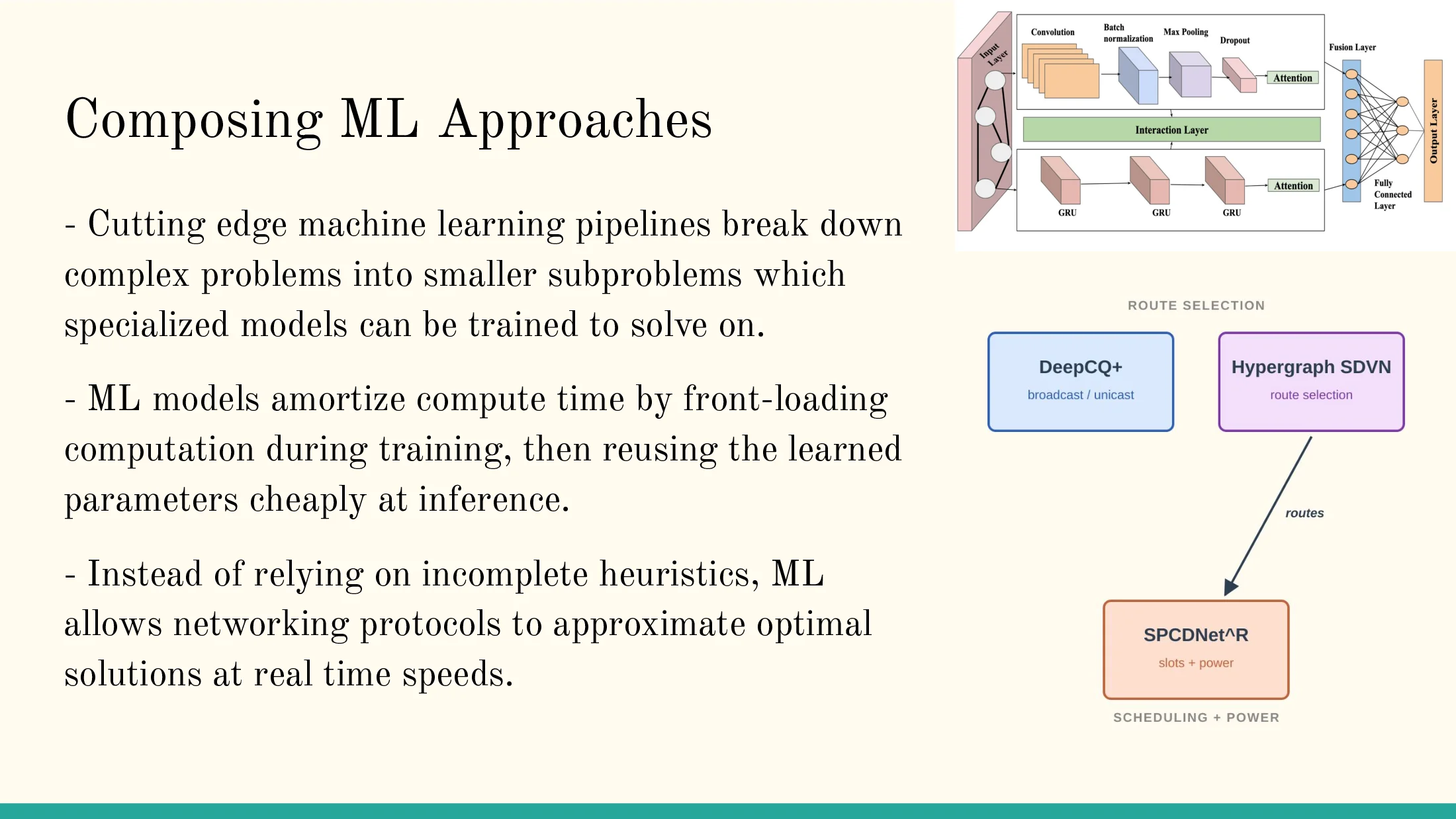
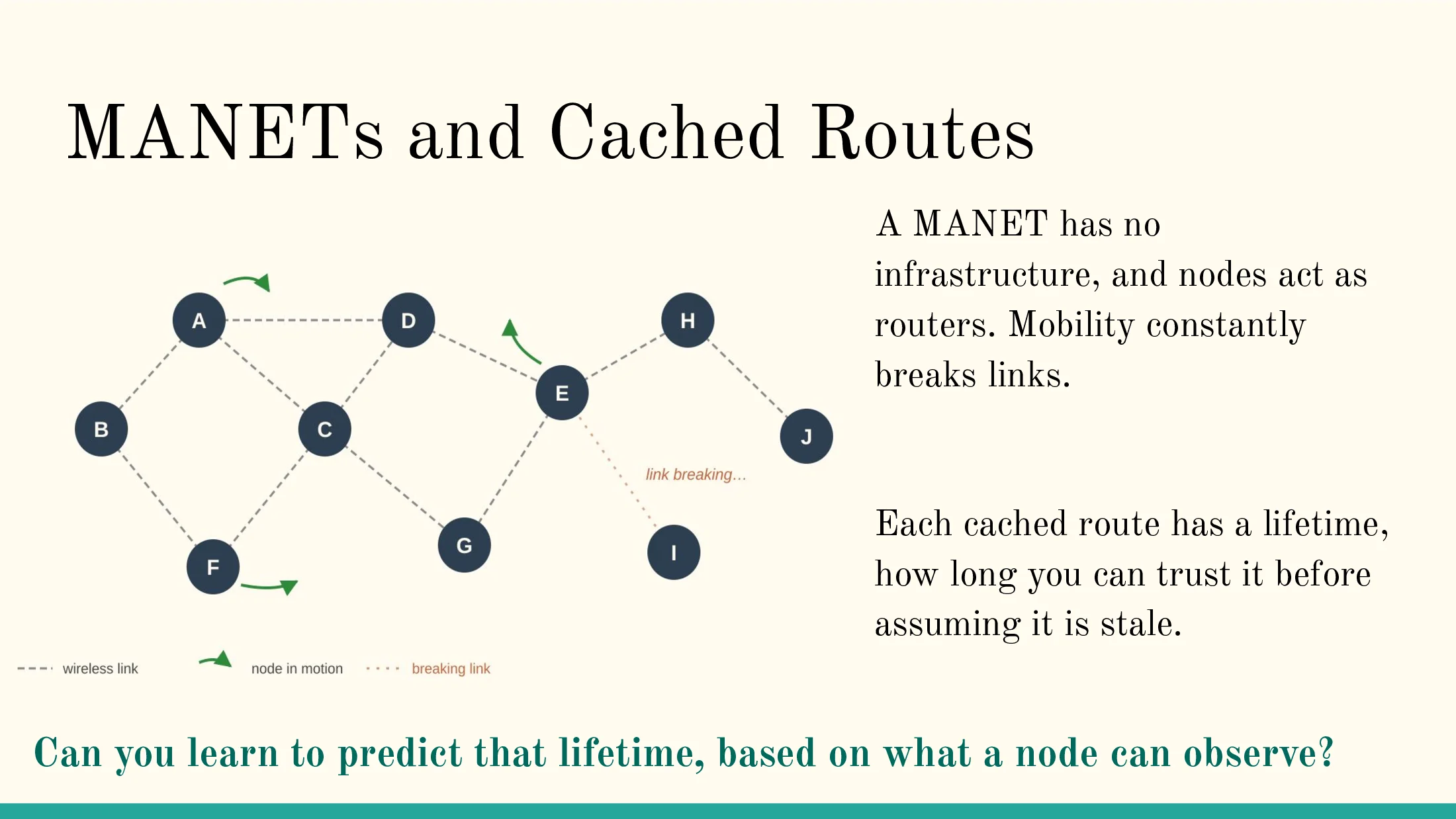
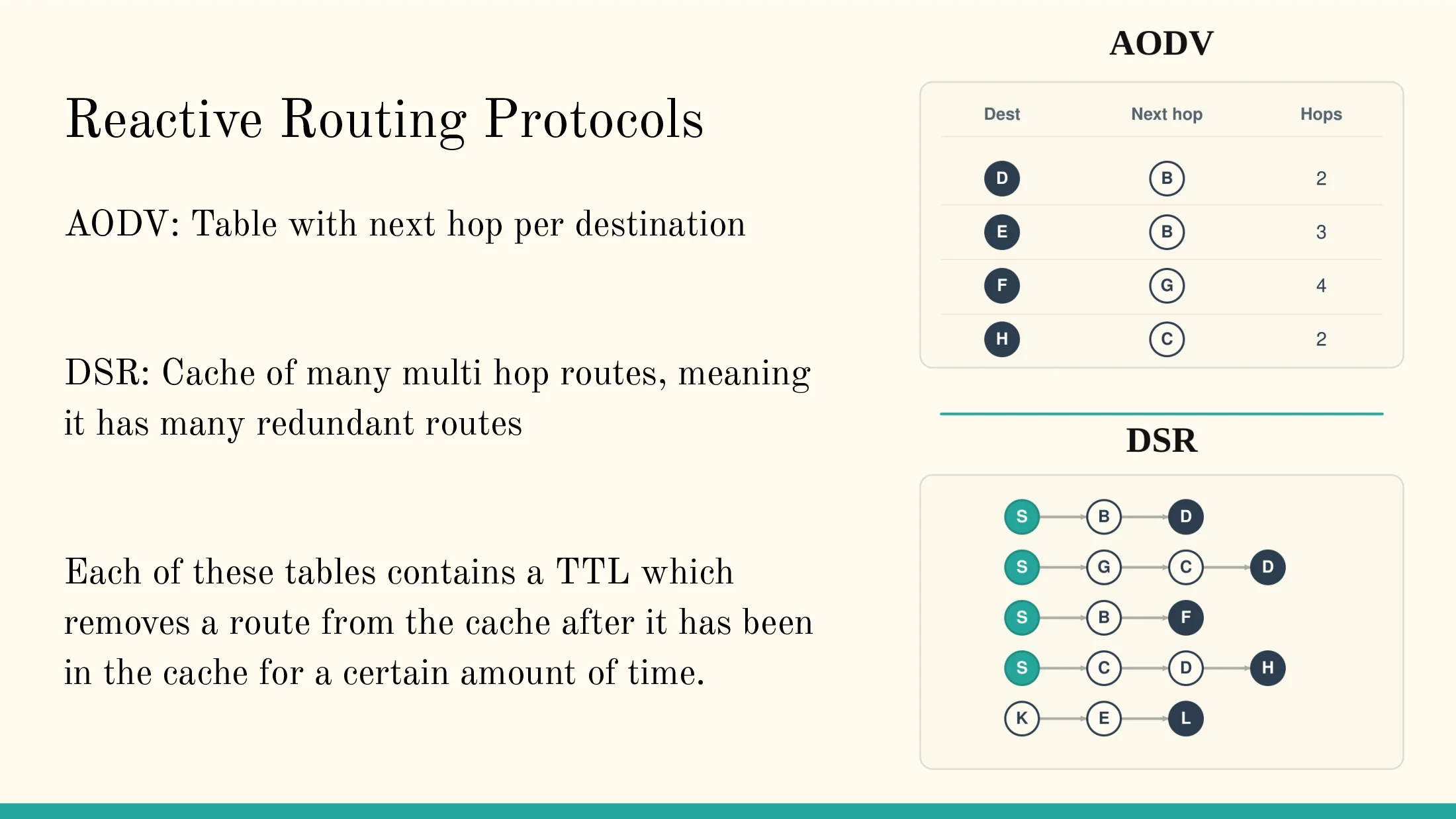
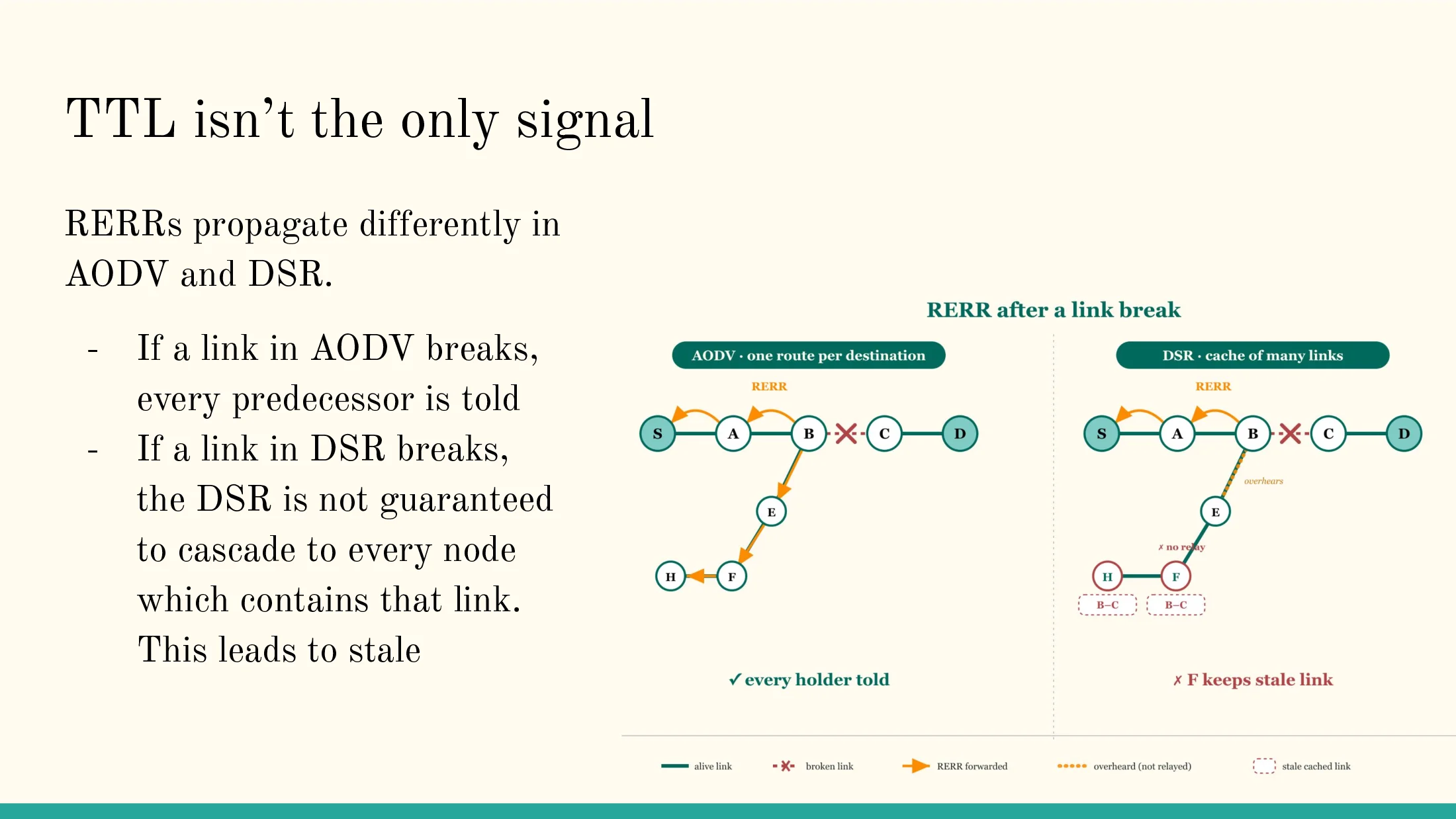
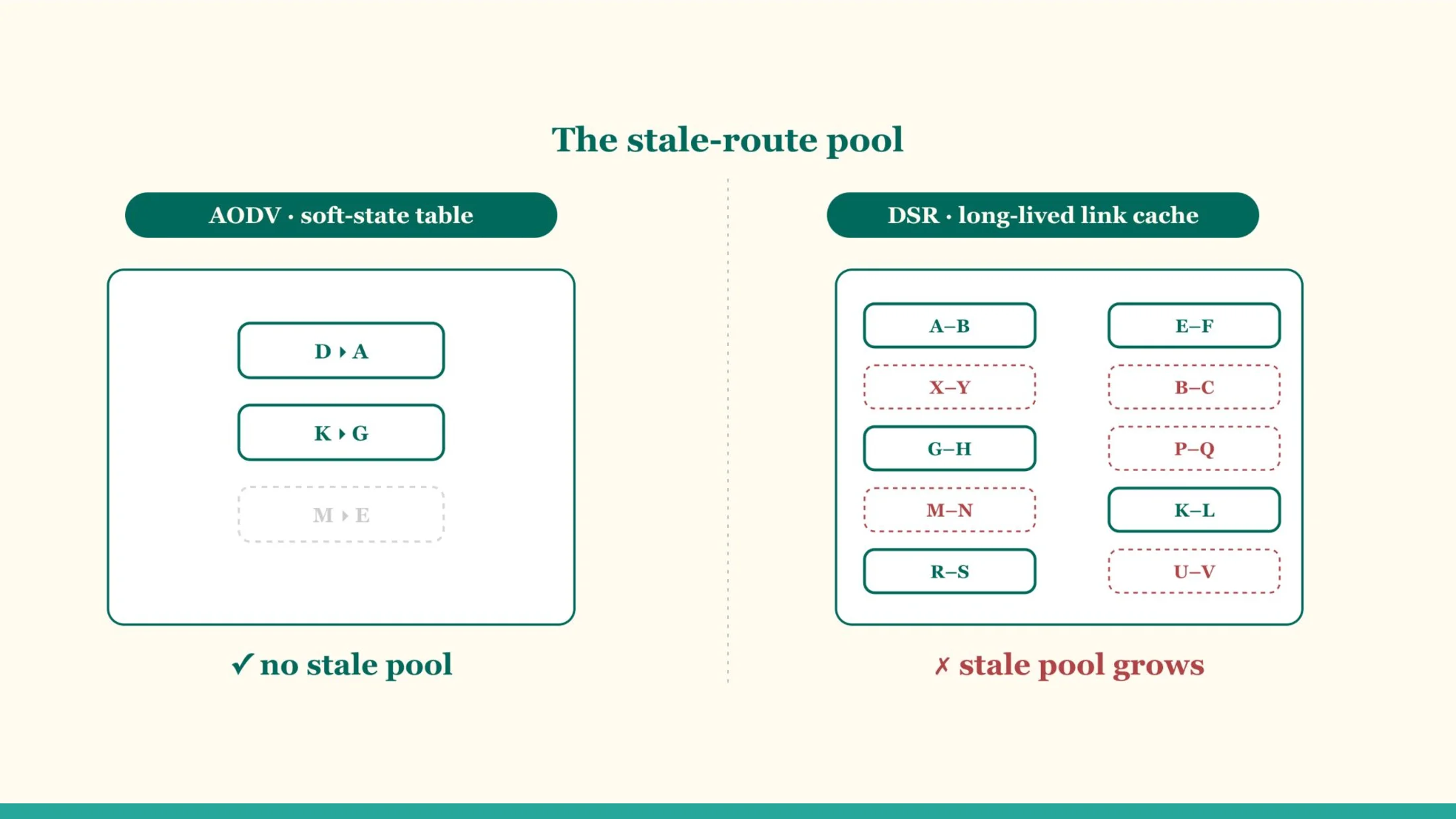
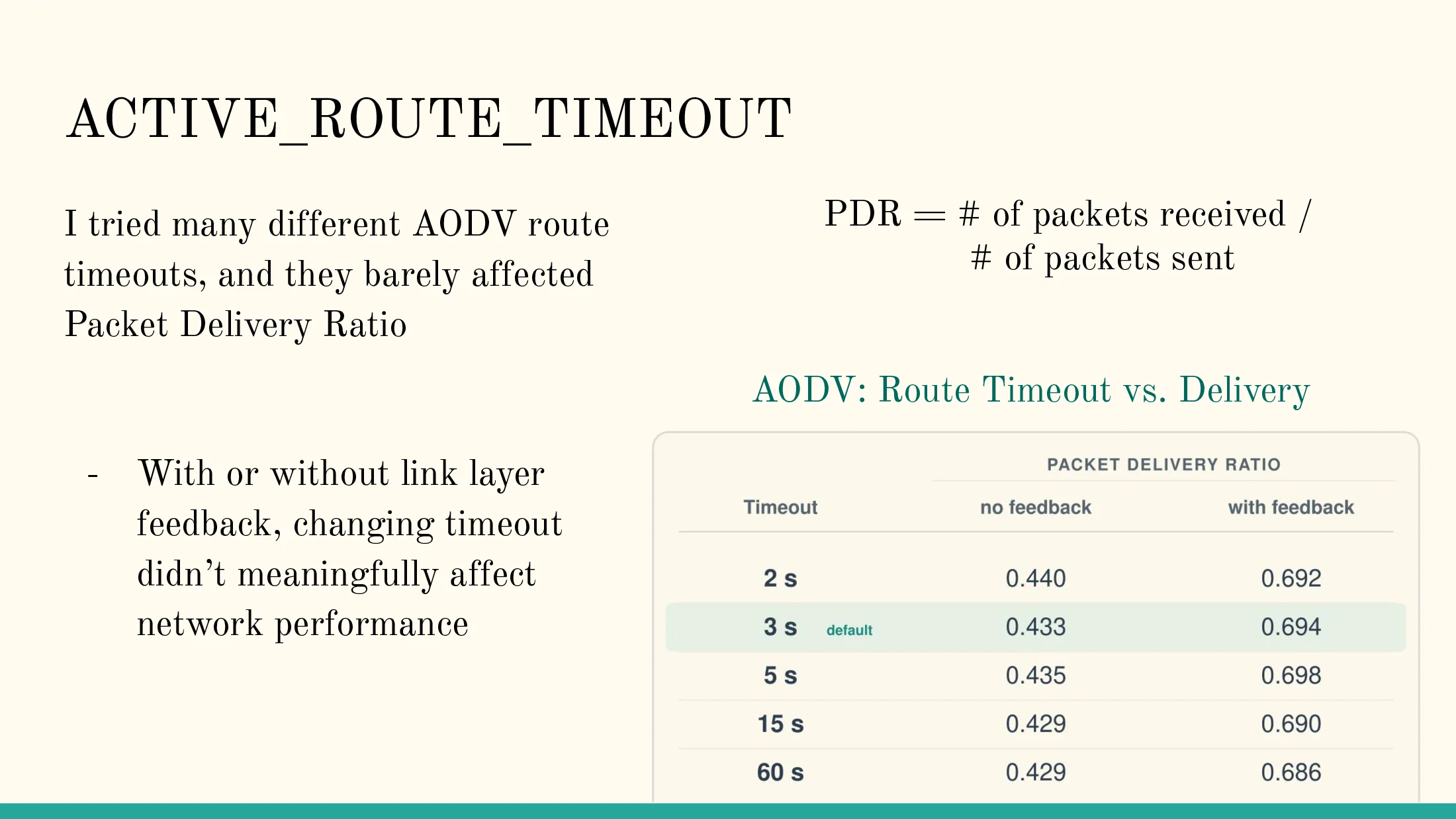
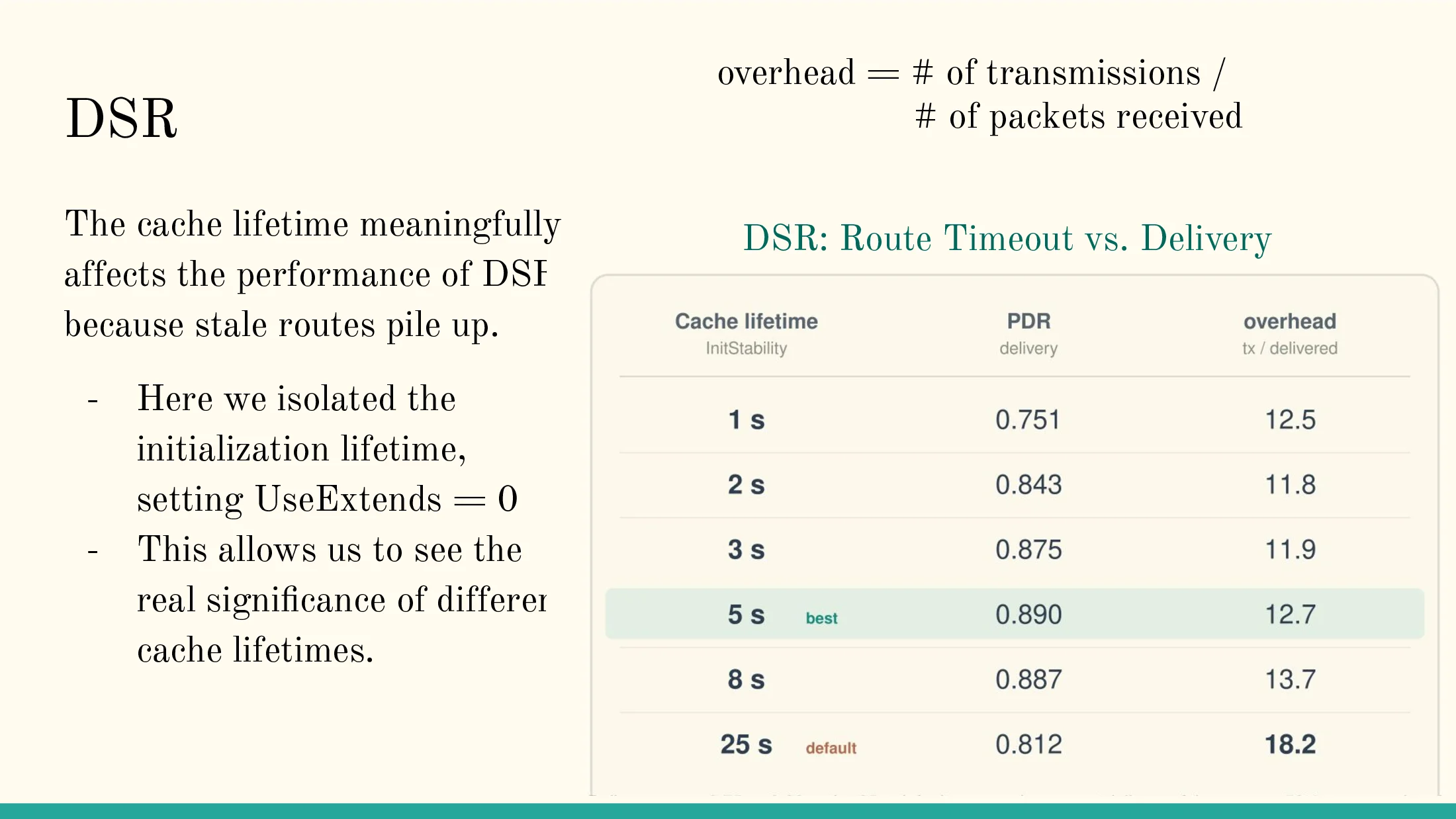
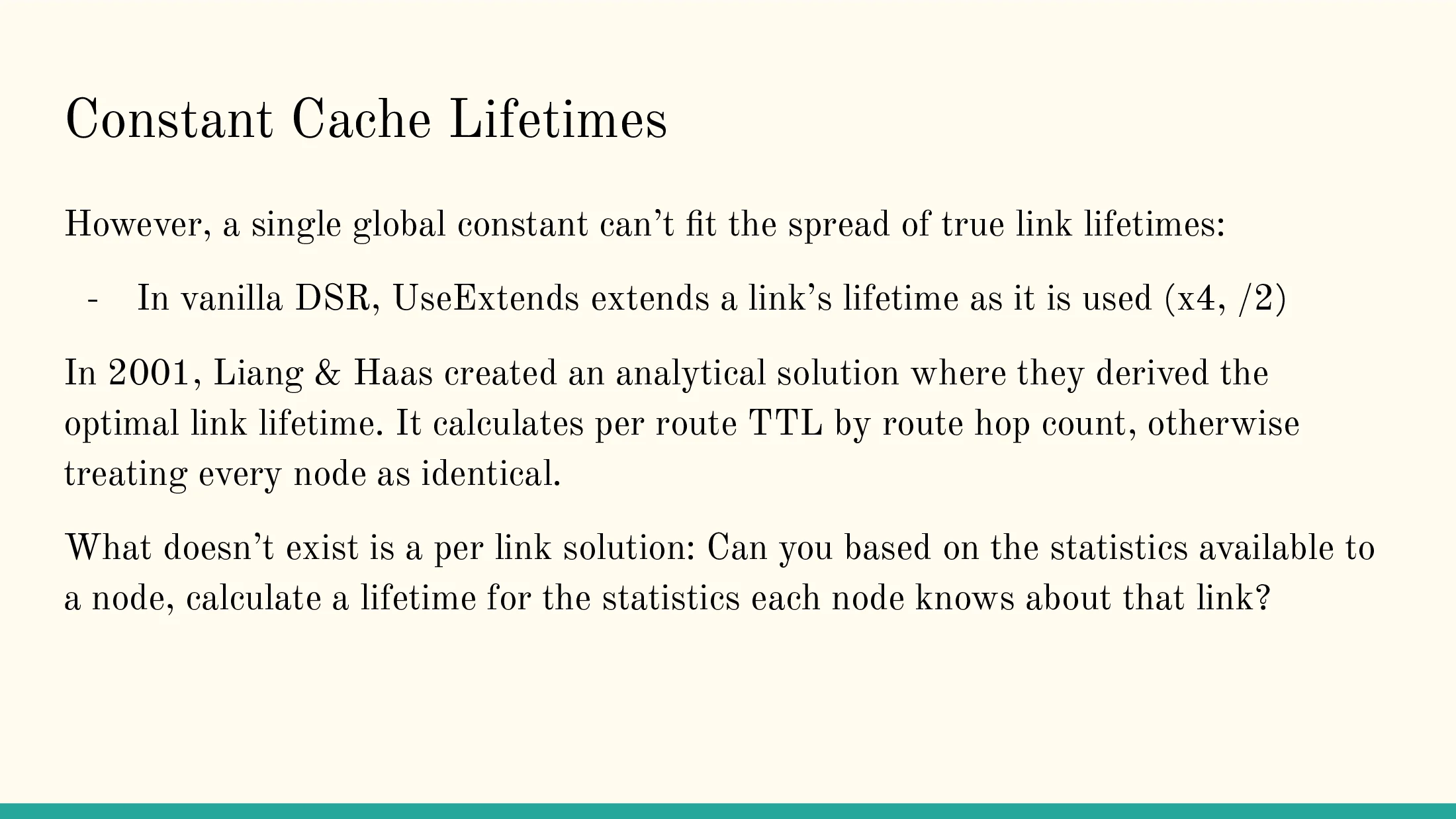
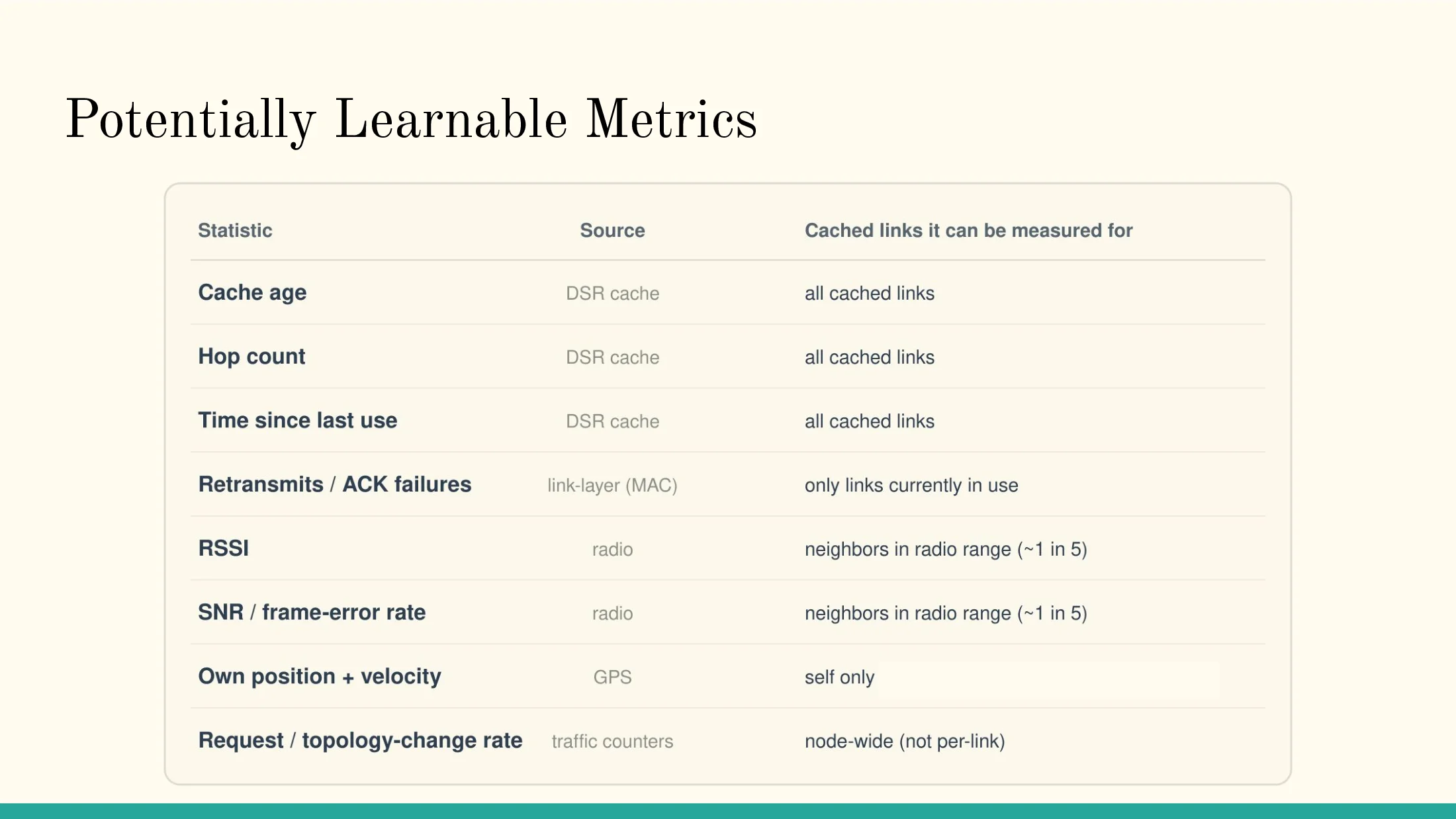
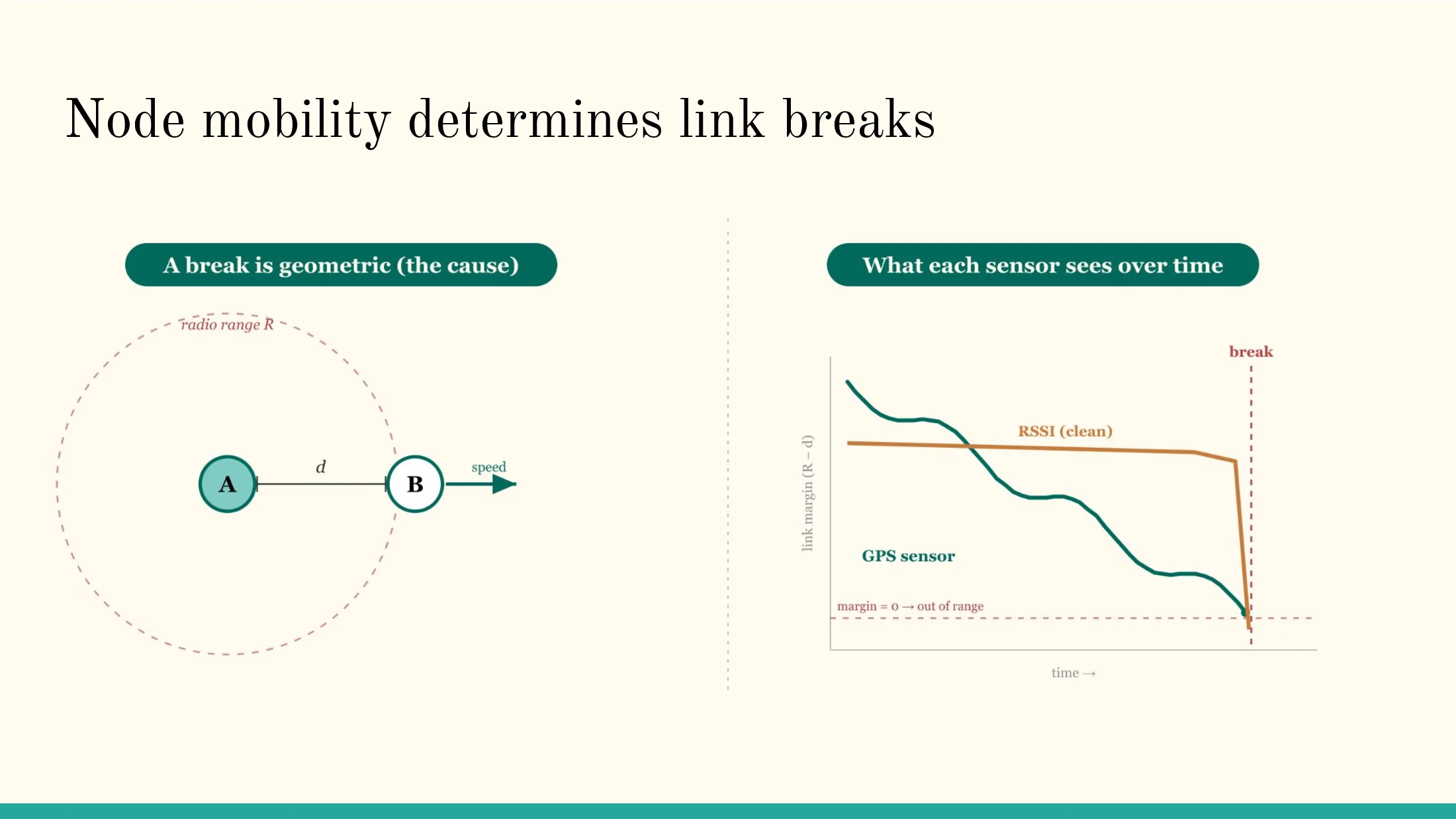
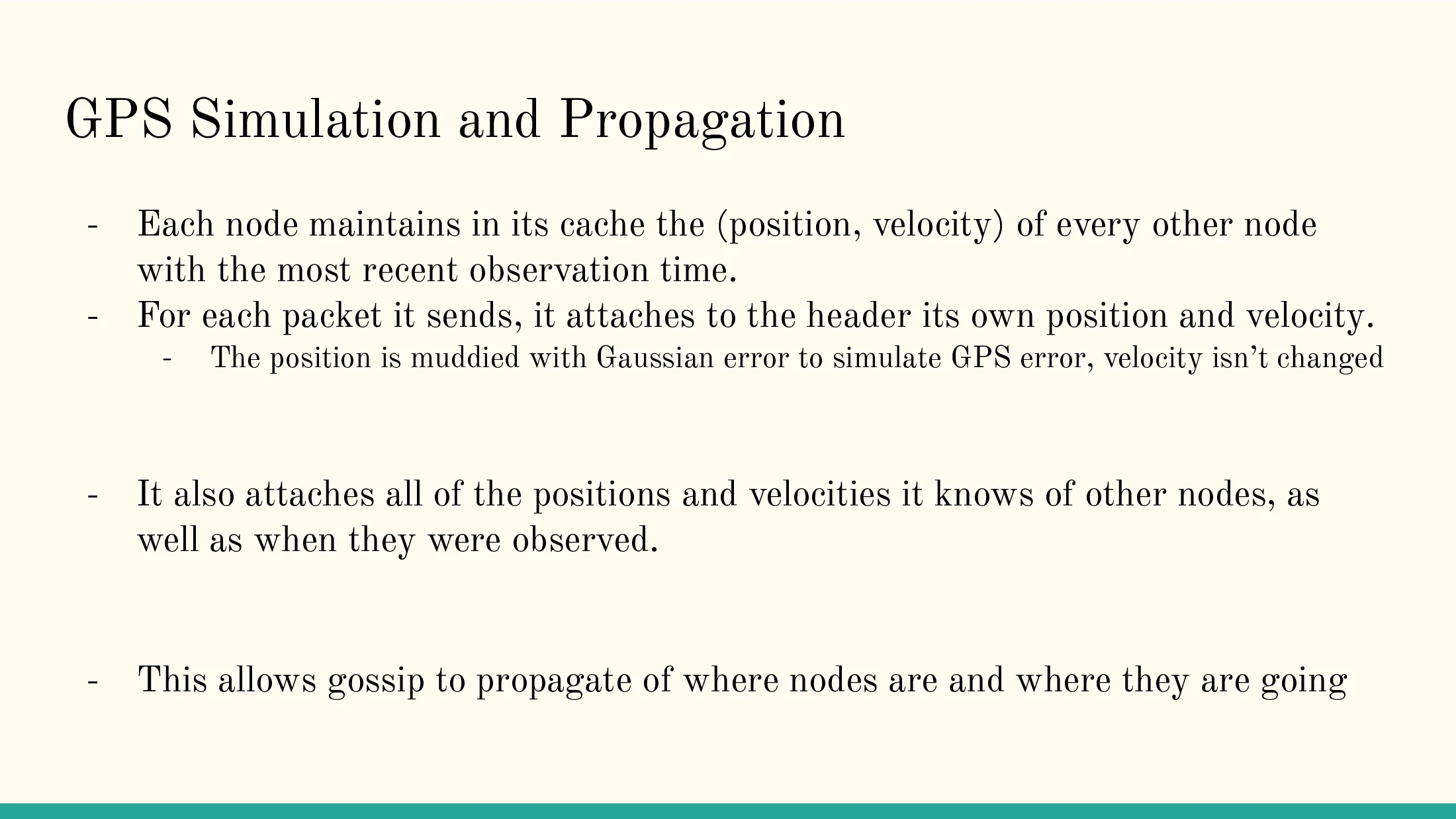
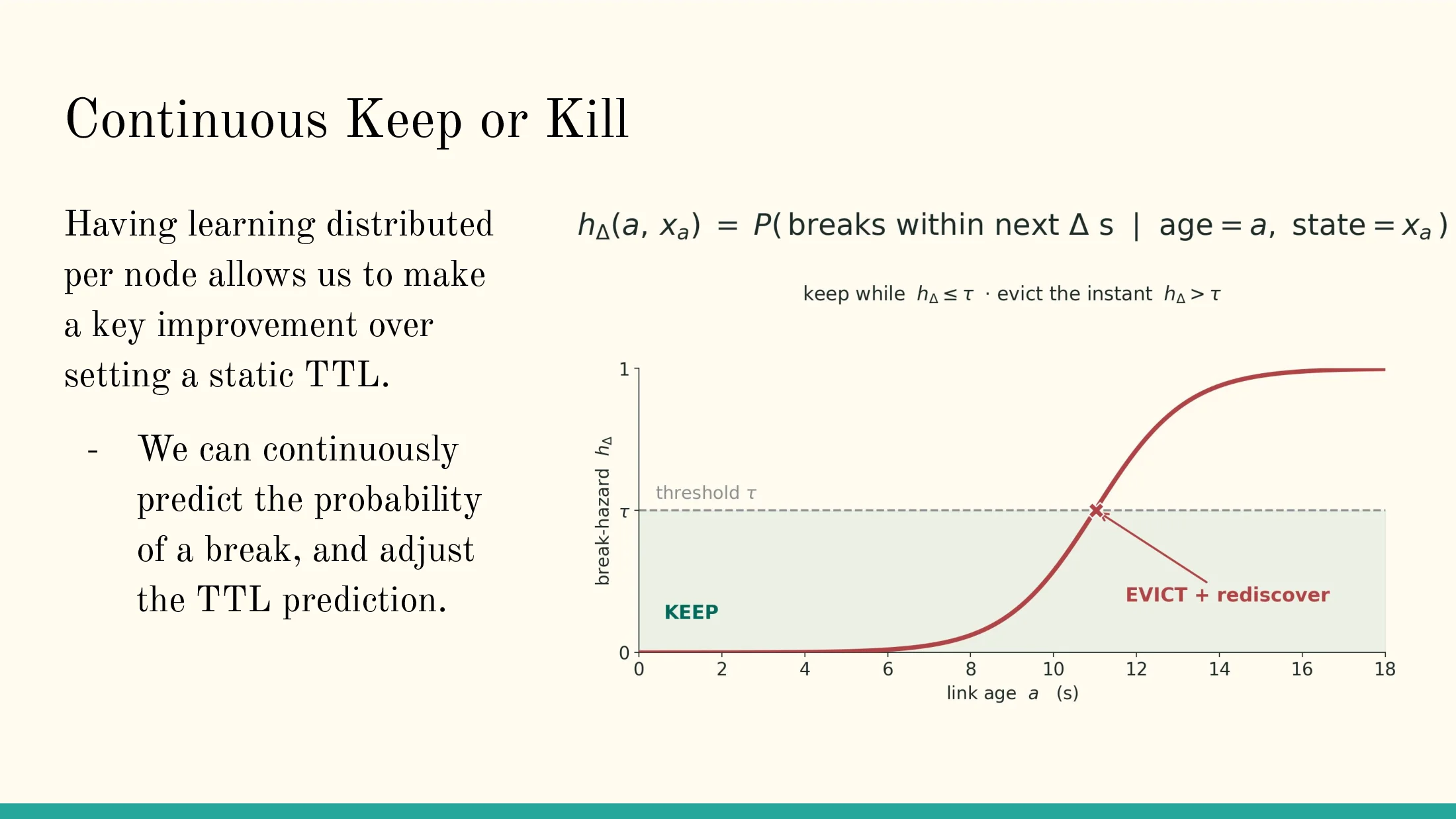
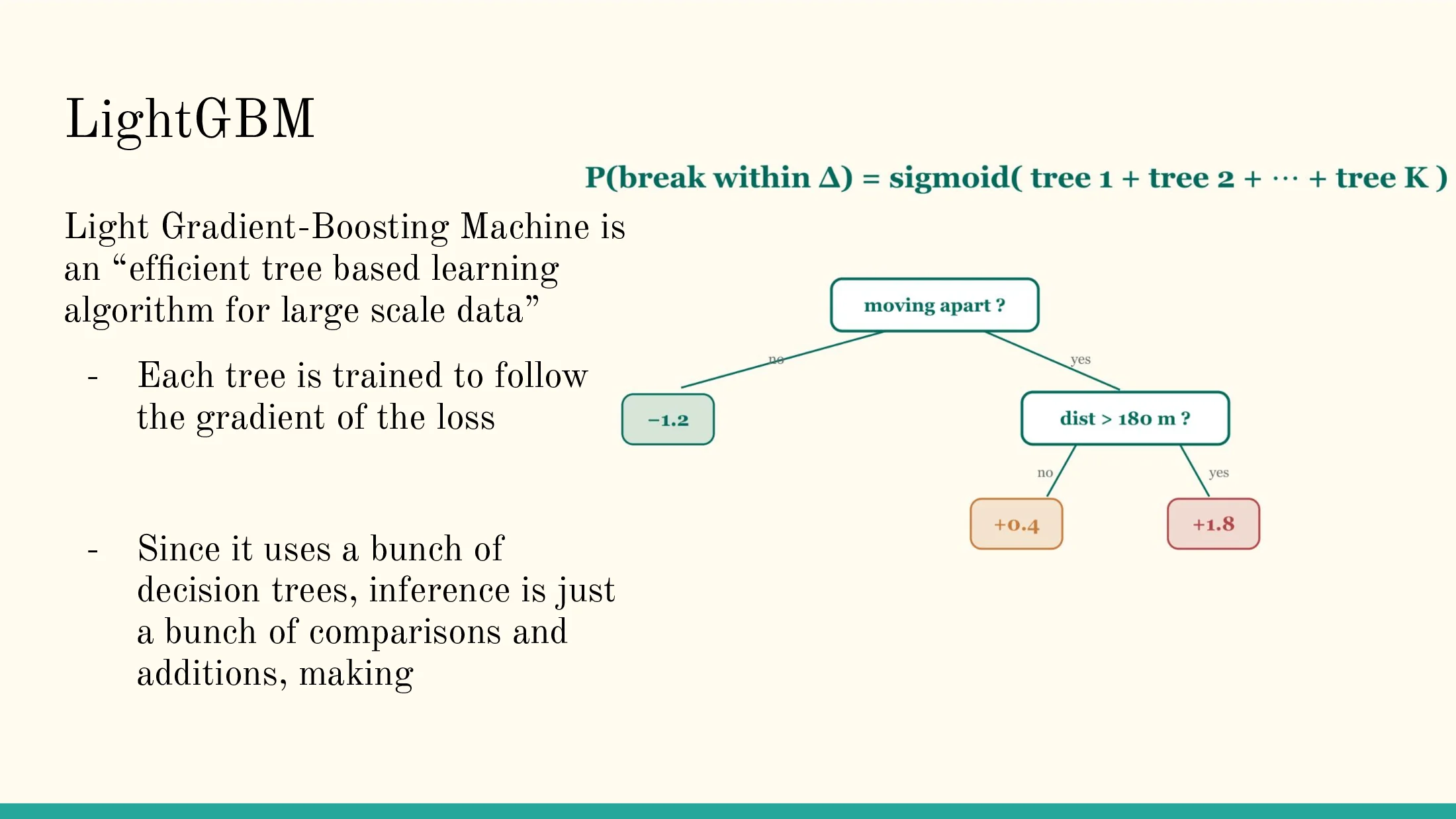
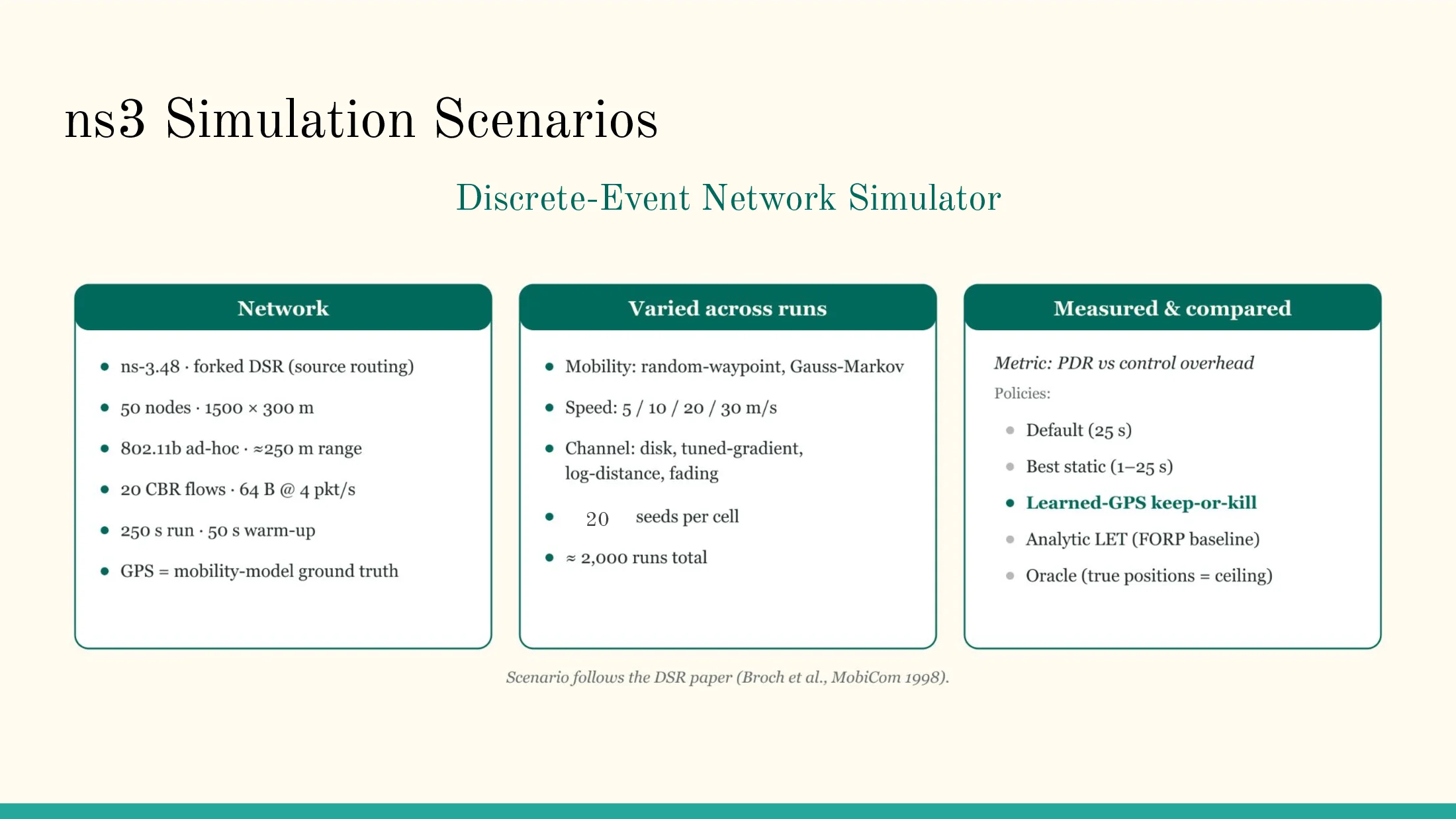
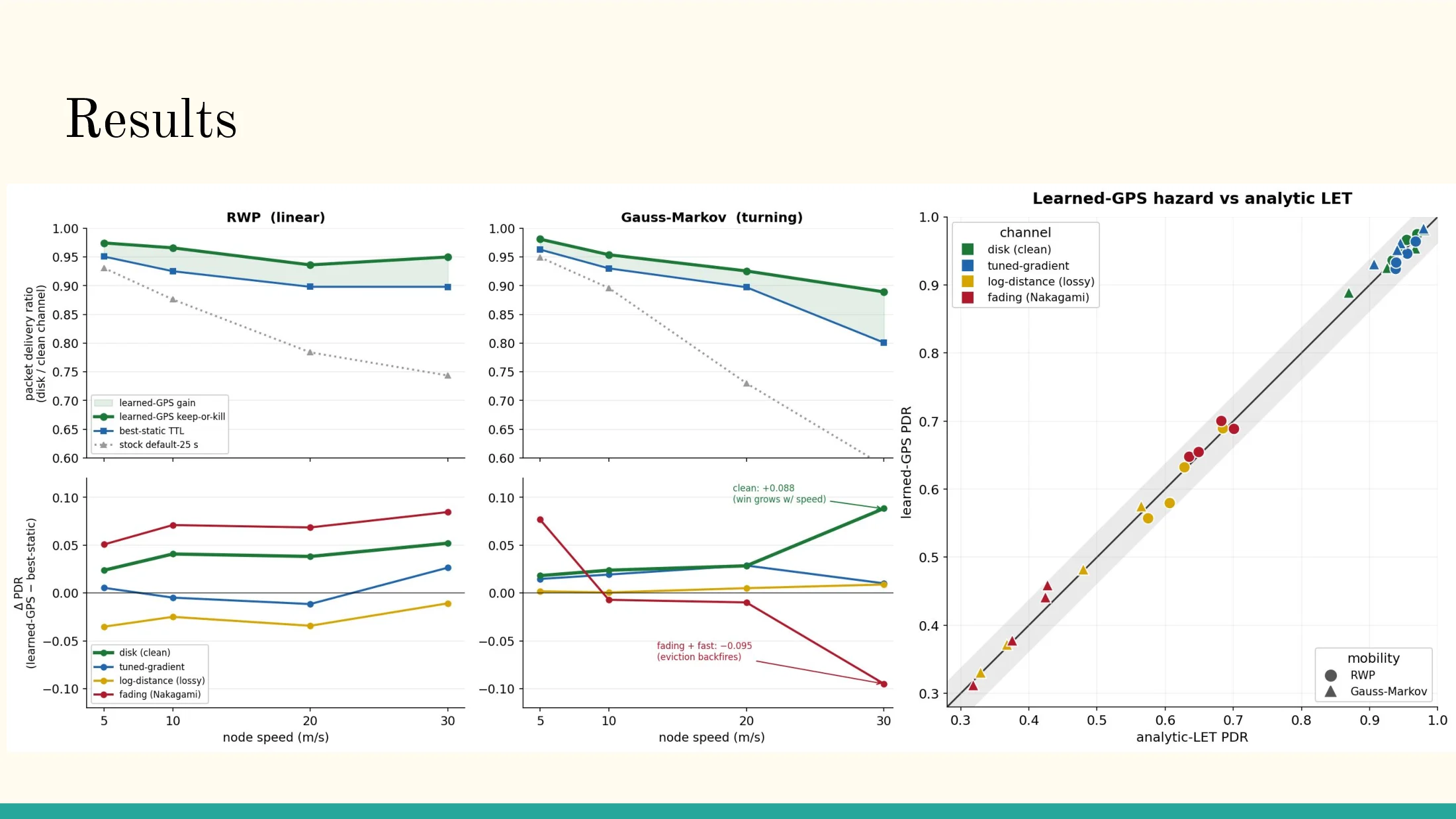
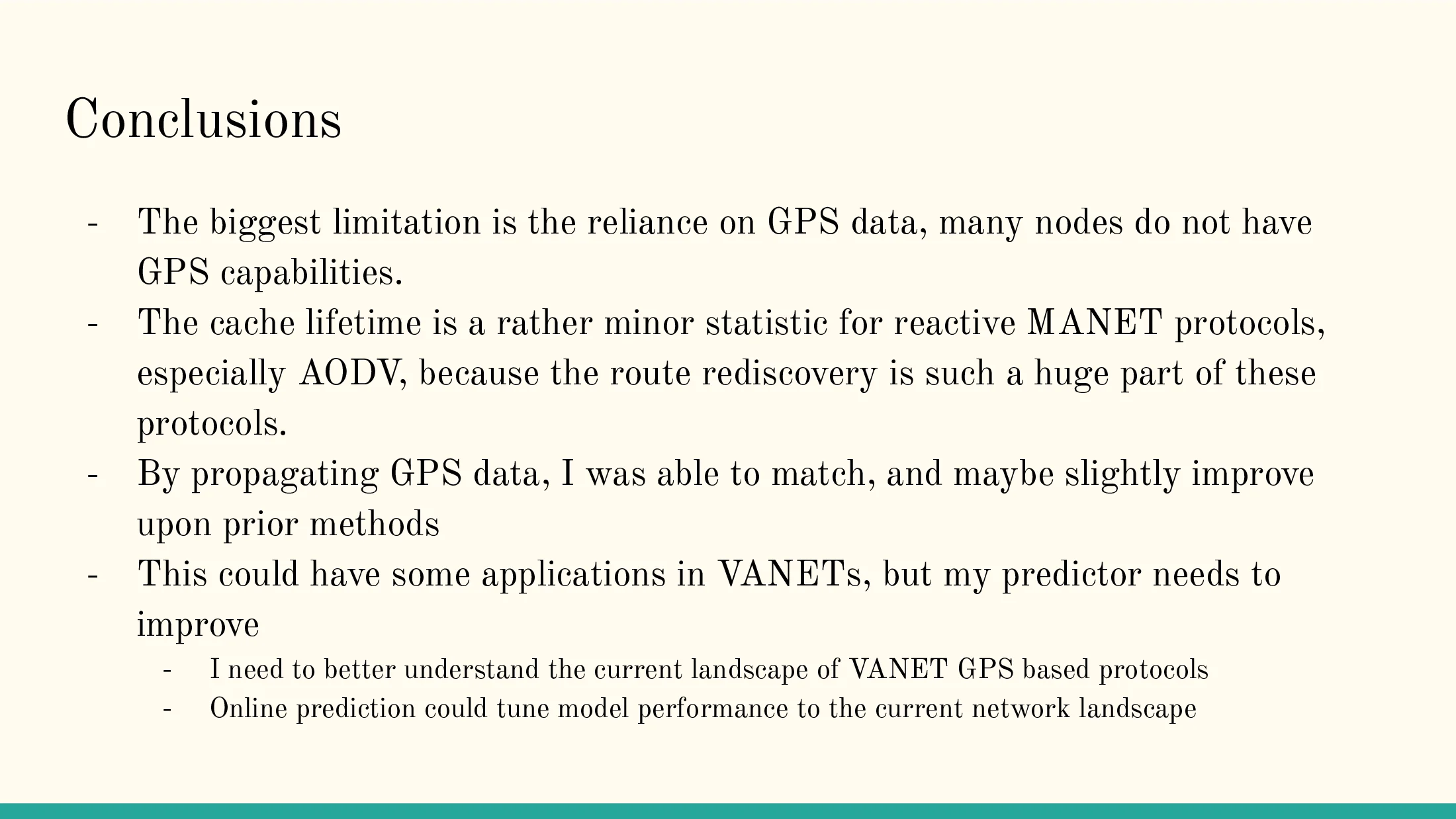
These two presentations show my study of mobile ad-hoc networks, where mobile nodes act as routers in a changing network topology. The most important lesson I took away was to always search for the tradeoffs which come with design decisions.